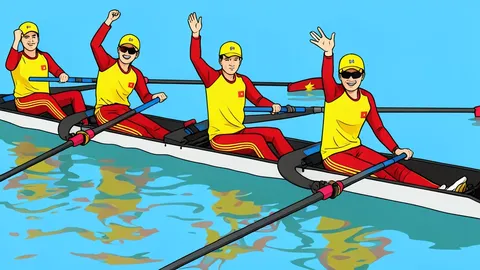
Korean Sports Chief Slams Nagoya Games with F Grade
Ryu Seung-min criticizes operational failures at the Aichi Nagoya Asian Games, citing athlete disruptions and anthem errors.
Key points
- Korean Sport & Olympic Committee President Ryu Seung-min gave the Aichi Nagoya Asian Games a failing grade on the 24th.
- Operational errors included delayed buses for soccer teams, field allocation issues for baseball, and anthem mix-ups.
- Ryu remains optimistic that Team Korea can achieve its target of 45 gold medals despite the disruptions.
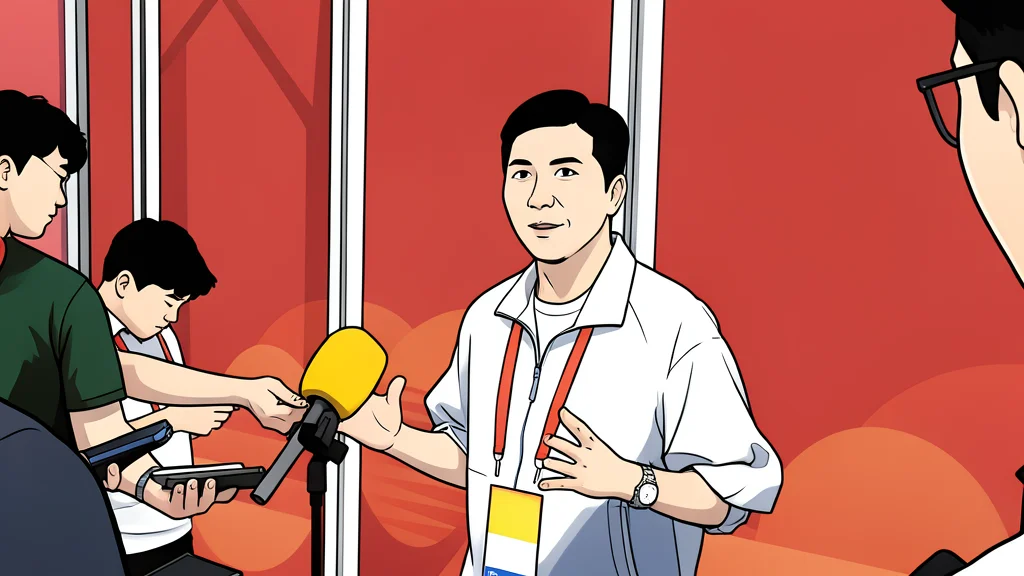
Ryu Seung-min, head of the Korean Sport & Olympic Committee, delivered a scathing verdict on the Aichi Nagoya Asian Games. Speaking on the 24th, he assigned the organizing committee a failing grade. His words cut through the diplomatic fog. The judgment was immediate and personal.
The president stood before reporters in Nagoya, Japan. He represented South Korean sports, not just diplomatic interests. "I am conveying exactly what the athletes feel," he said. The sentiment echoed a broader frustration among the delegation. The criticism was sharp, specific, and unapologetic.
Operational Failures Disrupt Athletes
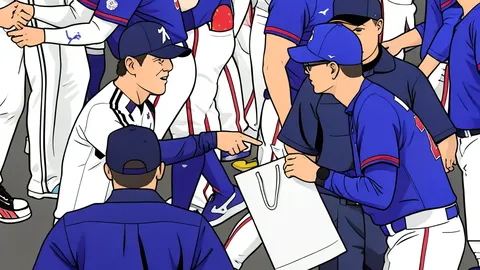
Buses arrived late for soccer and basketball squads. Baseball players struggled to secure practice fields. These were not minor hiccups. They were direct threats to performance. Ryu noted that such disruptions demand a failing score.
The errors extended beyond logistics. North Korea’s anthem played instead of South Korea’s. In other instances, anthems were skipped entirely. Teams from Thailand, India, and China faced room assignment chaos. They waited hours to enter the athletes’ village. The friction was visible and widespread.
Defending Team Korea’s Medal Hopes
Despite the criticism, Ryu maintained optimism for the gold medal count. He reaffirmed the target of 45 gold medals. "No one can predict," he admitted. Yet he believed the team would show cohesion. The athletes remained determined to restore their honor.
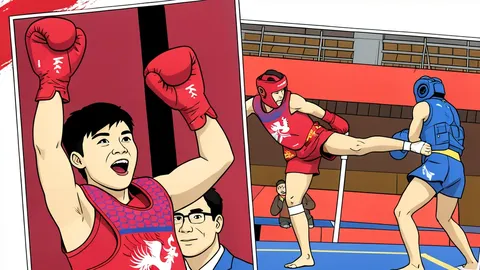
Wrestling and judo competitors, who previously underperformed, are focused on recovery. They enter later-stage events with renewed resolve. Ryu promised closer communication with federations. The goal is meticulous support for every athlete. The pressure remains high.
Diplomatic Tension Amidst Competition
Ryu acknowledged the burden of public statements becoming news. Yet he felt compelled to speak out. The organizing committee’s operations failed to meet basic standards. The president emphasized that early issues must not recur. The message was clear: athletes need stability.
The criticism highlights the tension between sports diplomacy and athlete welfare. Ryu prioritized the latter in his remarks. The incident adds a layer of complexity to the Games. It underscores the high stakes for the host nation. The scrutiny will likely continue.