Rain, Delays, and Tension: Asian Games Stumble
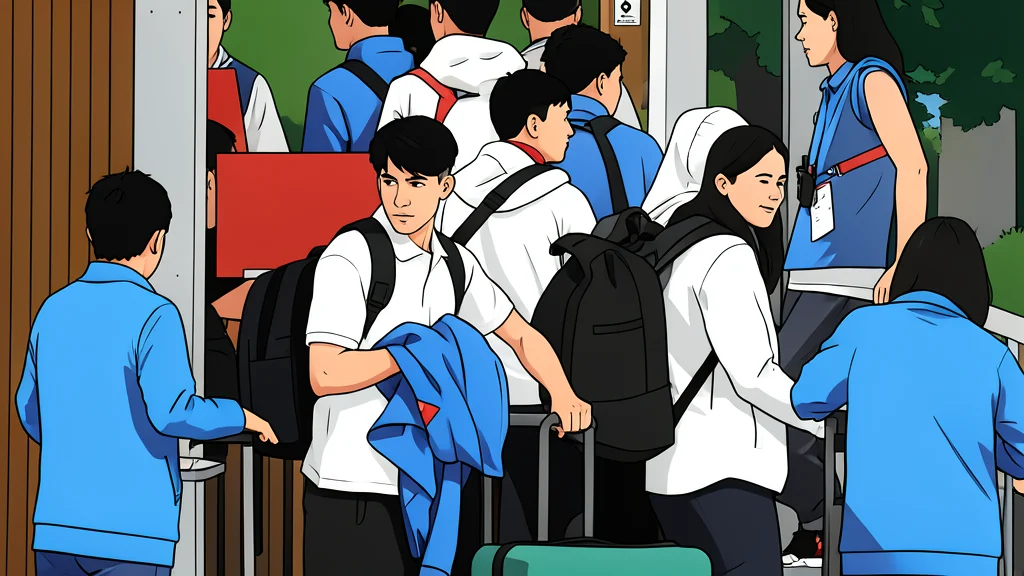
The grand opening looms, but the arrival process has turned into a chaotic scramble for thousands of athletes stranded in rain and paperwork.
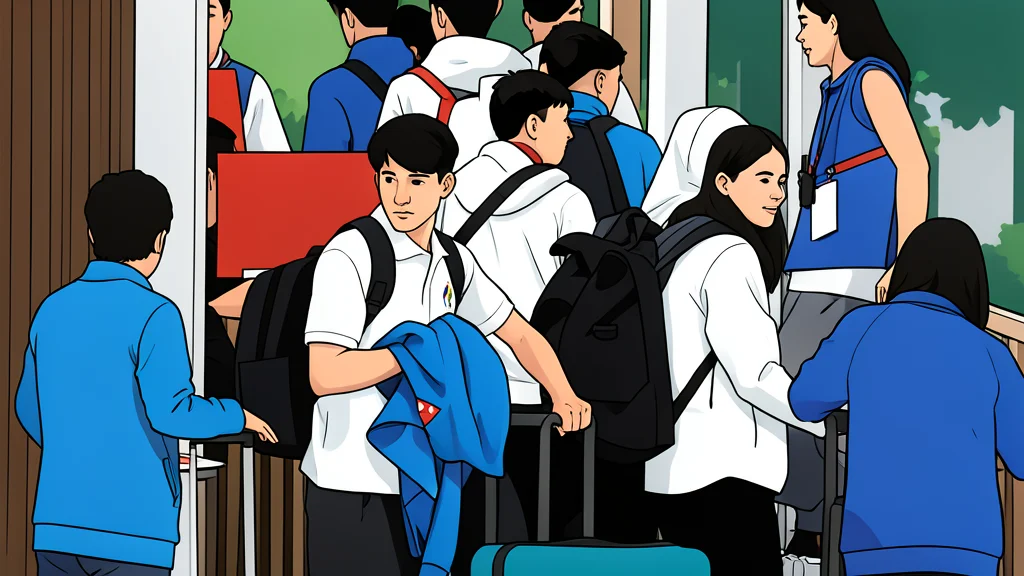
Rain hammers the steel deck of a massive cruise ship, turning the harbor into a grey, churning expanse. On board, four thousand athletes wait for rooms that have not yet been assigned. The air smells of wet metal and impatience. This is not the dignified entry of champions; it is a logistical tangle of wet shoes, missed meals, and exhausted eyes. The spectacle of the Asian Games in Nagoya is being shadowed by a storm that is not meteorological, but organizational.
Chinese gymnast Zhang Boheng, a two-time world champion, broke the silence on social media. He described a six-hour wait after landing, a gap between breakfast and dinner that stretched an entire day. The cause was bureaucratic: registration forms and immigration queues. When he finally reached the port, the rain intensified, blocking the gangway. He and his teammates gave up, booking a hotel to escape the deluge. The video vanished quickly, but the frustration remained, echoing across the continent.
Logistical Failures Strain Athletes
Organizers skipped the traditional athletes' village to cut costs, scattering competitors across hotels, temporary cabins, and the cruise ship. For over 17,000 participants, a number exceeding the Olympics, the accommodation is tight. Some teams report beds that are too short for their frames. The Chinese badminton team found their shuttle bus stuck, forcing the consulate to step in with private cars. In the airport terminals, athletes from India and China stretched their legs in long, static lines, their schedules dissolved by administrative errors.
The hashtag "Asian Games absurd" has racked up 94 million views on Weibo. Users celebrate the resilience of stars like Sun Yingsha, who exercised on the tarmac to keep their bodies ready. Yet the underlying message is clear: the infrastructure is buckling. Indian officials call these "teething problems," but for the athletes, the pain is immediate and physical. The promise of competition is overshadowed by the struggle to simply find a place to sleep.
Historical Ghosts Haunt Ceremony
Beyond the rain and queues, a deeper wound is opening. South Korea filed a formal complaint with the organizers over a welcoming ceremony. A performer dressed as Toyotomi Hideyoshi, the Japanese warlord who led invasions of Korea in 1592 and 1598, took the stage. For many Koreans, this is not mere entertainment; it is a painful reminder of colonial rule and historical aggression. The gesture struck a nerve in a region where memory is fiercely guarded.
The Korean Sport and Olympic Committee has demanded accountability, while the local organizing committee remains silent. The tension is palpable. Athletes from both nations are still waiting out the storm, both literal and political. The games are set to open in Aichi prefecture, but the foundation feels unstable. As the rain continues to fall on the harbor, the question lingers: can the event recover its dignity from such a rocky start?