Aikman's Broadcast Critique Sparks Fan Backlash
The silence after the whistle was broken not by the crowd, but by a voice that cut through the air with sharp precision.
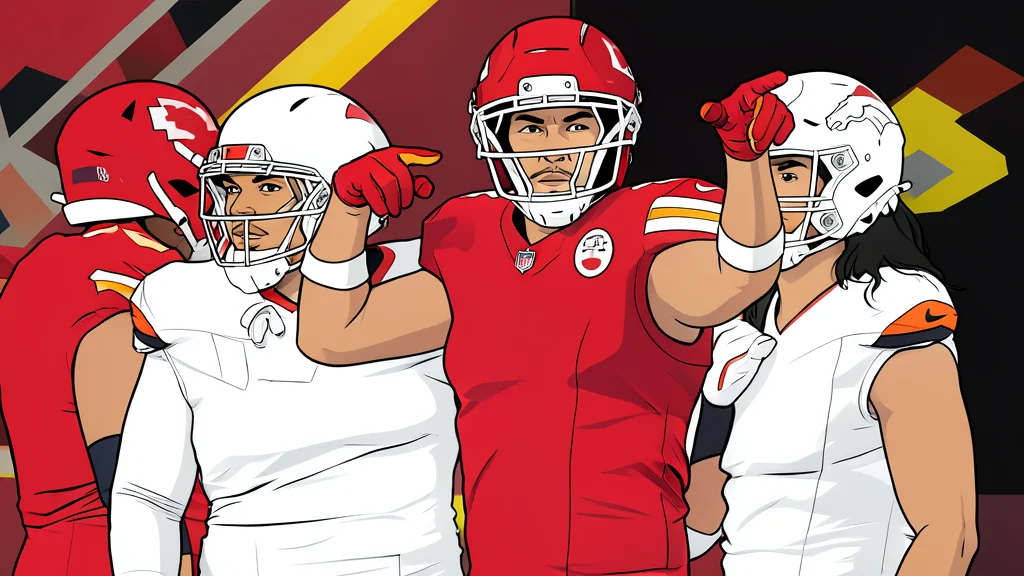
The stadium lights hummed over the green turf as Patrick Mahomes slid into the end zone, his body absorbing the final push of the defense. For a heartbeat, the only sound was the heavy breathing of players and the distant roar of the crowd. Then, the broadcast studio clicked into focus, and Troy Aikman’s voice sliced through the audio feed. He did not celebrate the score; he dissected the mechanics of the run, pointing to a subtle grab by Travis Kelce that had allowed the play to continue. It was a technical observation, delivered with the calm authority of a man who has seen every angle of the game. But for the fans watching at home, the tone felt like a blade against the glass.
The reaction was immediate and visceral. On social media, the threads erupted with accusations of bias and jealousy. The missed holding call became the central axis of a debate that transcended the 31-10 victory. Fans did not just disagree with the call; they attacked the character of the man making the point. The conversation shifted from football strategy to personal animosity, a stark contrast to the usual post-game analysis. As reported by Yahoo Sports, the incident highlighted a deepening rift between the broadcaster and the fanbase he now serves.
The Anatomy of a Missed Call
Kelce’s left arm extended, locking out the safety’s momentum just as the defender closed in. Russell Yurk, the rules analyst, confirmed the mechanics with clinical detachment. He described how the arm restricted the chest, preventing the tackle. It was a textbook holding violation, invisible to the naked eye on the field but glaring under the studio lights. Aikman’s commentary did not invent the rule; it amplified it. The play itself was a testament to Mahomes’ agility, scrambling fifteen yards to safety. Yet, the broadcast frame lingered on the arm, not the feet. This framing turned a successful touchdown into a moral question about sportsmanship.
Fans Reject the Broadcast Tone
The digital backlash was swift and personal. One viewer described the broadcaster as saltier than the Dead Sea, a vivid metaphor for the perceived bitterness in the commentary. Another demanded he be removed from their television entirely, citing an inability to hear a single positive word about the Chiefs. The language used in these posts was not merely critical; it was accusatory. Fans accused Aikman of refbaiting, of hiding his jealousy behind the veneer of professional analysis. The sentiment was clear: the fanbase did not want a neutral observer; they wanted an ally, and they felt they had lost one.
The criticism dug deeper into the history between the two figures. Aikman’s three Super Bowl rings, won with Dallas, became a weapon in the fan’s rhetoric. They referenced his 2019 taunt, mocking Mahomes for having fewer titles than Aikman at the time. The irony was not lost on the viewers. By 2026, Mahomes had matched that number, earning MVP honors in each victory. The fans saw Aikman’s commentary as a lingering refusal to acknowledge this shift in power. They viewed his analysis not as objective truth, but as a defensive maneuver to protect a legacy that felt threatened.
Legacy and Modern Dominance
The disconnect lies in the different eras of dominance. Aikman’s legacy is built on a specific type of physical football, one where the quarterback’s role was defined by structure and timing. Mahomes’ game is a fluid, chaotic art, one that defies traditional metrics. When Aikman critiques the mechanics of a Mahomes play, he is applying the rules of one era to the innovations of another. The fans, immersed in the current era, hear this as a rejection of their hero. The 31-10 scoreline stands as a testament to Kansas City’s strength, but the broadcast left a residue of doubt that the numbers could not erase.
As the night ended, the debate continued in the digital sphere. The missed call was a minor event in the grand scheme of the season, but its impact on the fanbase was significant. It revealed a tension that had been building for years. Aikman remains a respected voice, but for this segment of the audience, his credibility has fractured. The microphone on the desk in the studio captured more than just audio; it captured a moment where the past and present collided, leaving a trail of friction that will likely persist for many more games.