Ballmer's Bench: The Cost of Cap Circumvention

The wealthiest figure in American sports stands apart from the crowd, his $156 billion fortune now shadowed by a league suspension that bars him from the very palace he built.
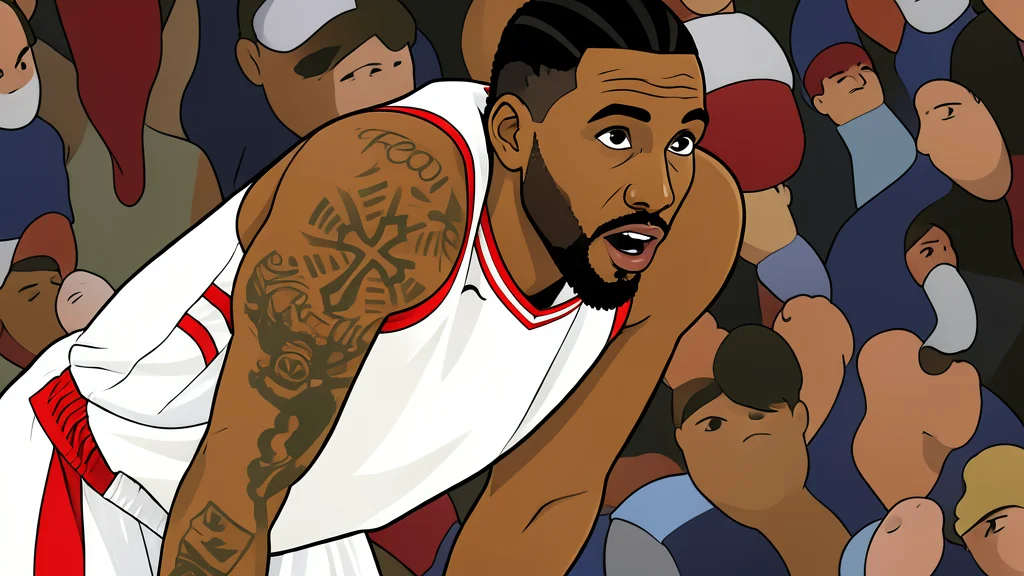
The air inside the Intuit Dome is conditioned to a precise, sterile chill, a $2 billion climate controlled for the sweat of professionals and the breath of fans. Steve Ballmer, the man who poured his Microsoft wealth into this concrete and glass structure two years ago, is forbidden from breathing it this season. The league’s suspension lands like a heavy hand on his chest, severing the link between the billionaire owner and the hardwood. He is not merely absent; he is erased from the narrative of the game, a ghost in the machine of the Los Angeles Clippers.
This isolation is the price of a secret. The NBA’s report revealed that the team had bent the rules to sign Kawhi Leonard, using shadowy sponsorship deals to skirt the salary cap. The punishment is severe: five first-round draft picks stripped away and a $30 million fine paid in full. Ballmer’s statement on Sunday night was a retreat, a strategic withdrawal from the battlefield. He complied, he paid, and he stepped back, leaving the echoes of his ambition to resonate in an empty arena.
A Fractured Line of Owners
Ballmer is not alone in his scrutiny. The box seats of major American sports are rife with turbulence. Mark Walter, whose net worth sits at $7.3 billion, faces federal probes over undisclosed financial ties. His decision to sell the Los Angeles Lakers in August marks a fracture in a sports empire that once held the Dodgers and the Lakers in a single hand. The legal weight is heavy, pressing down on the glittering surface of his holdings.
Closer to home, the San Francisco 49ers owner, Jed York, found himself behind bars last month. Arrested on suspicion of prostitution, he pleaded no contest to disorderly conduct and possession of criminal tools. The York family’s $10 billion fortune stands in stark contrast to the sordid details of his arrest. These scandals ripple outward, touching the Forbes 400 list, where the wealthiest Americans are ranked, yet they fall short of the $12.2 billion cutoff for the elite group of sports owners.
The Growth of Sporting Empires
Despite the scandals, the financial tide is rising. The top 20 owners now command a combined $666 billion, a 10% jump from the previous year. Their stakes span 37 major franchises, from the NFL to the Premier League. It is a vast network of control, a web of ownership that stretches across continents and sports. The money flows, thick and steady, into the foundations of these teams.
Stan Kroenke stands as the architect of this expansion. With six major teams and a net worth of $27.6 billion, his portfolio is the largest in the league. His agreement to buy a majority stake in the Los Angeles Angels signals further consolidation. His fortune grew by 30% over the past year, a testament to the enduring value of sports assets in a volatile market. The empire expands, brick by brick, deal by deal.
Rapid Gains in the Rankings
Two owners outpaced Kroenke’s growth in the last 12 months. Dan Friedkin, holder of Everton and AS Roma, saw his wealth climb 31% to $12.7 billion. His soccer holdings have become a significant pillar of his fortune. Meanwhile, Jimmy Haslam, owner of the Cleveland Browns, Milwaukee Bucks, and Columbus Crew, led the ranking with a 40% surge to $12.2 billion. His diversified portfolio has weathered the storms, emerging stronger.
The 2026 list, as reported by Yahoo Sports, reflects a shifting landscape. The cutoff for entry has risen 21% to $12.2 billion, a barrier that excludes even the prominent Walter and York families. The wealth is concentrating, the stakes are higher, and the scrutiny is sharper. For Ballmer, the lesson is clear: money can build a palace, but it cannot buy immunity from the rules. The doors to the Intuit Dome remain closed to him, a silent testament to the limits of power.