Billions of Steel, One Plastic Key: The Backlash in Buffalo
A $2.1 billion fortress opened its doors, but the souvenir given to fans sparked a wave of ridicule rather than pride.
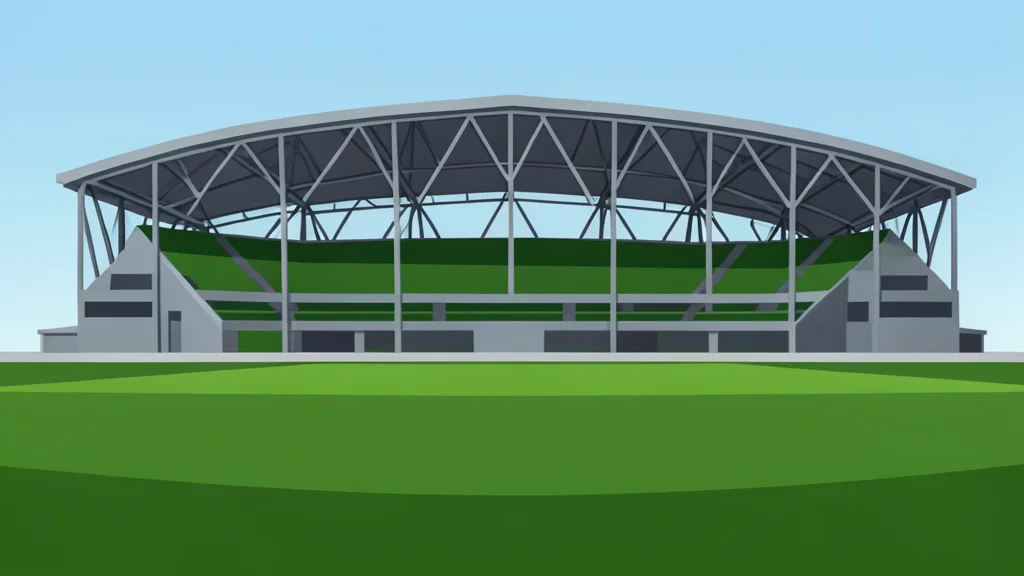
The air in Highmark Stadium hummed with a different voltage. It was not just the roar of the crowd, but the weight of two billion dollars of concrete and glass pressing down on the turf. The Buffalo Bills stood at the threshold of a new era, hosting the Detroit Lions in a Thursday Night Football clash that promised to be a spectacle. The atmosphere was thick, electric, and undeniably expensive, a physical manifestation of the franchise’s recent financial surge. Every surface gleamed, every corner was sharp, and the silence before the first snap felt heavier than usual, charged with the expectation of a legacy being forged in real time.
Before the kickoff, the organization handed out a token to mark the occasion. A small, glossy item, a key to the stadium, accompanied by a message that read, "This stadium is yours, Buffalo. Welcome home." It was a gesture of inclusion, a tangible link between the ownership and the supporters. Yet, as the players took the field and the first plays unfolded, the focus on that tiny object began to curdle into something sharper. The game itself was a shootout, a high-flying affair where points flew with reckless abandon, but the conversation outside the stadium lines was already turning hostile toward the memento.
A wave of digital scorn
Social media erupted with a specific brand of cynicism. The fans did not see a welcome; they saw a punchline. One user simply typed "Lame," a single word that captured the disdain. Another dug deeper into the franchise’s recent history, labeling the item "The key to choking." The most biting critique came from a user who noted it "Won't unlock a Super Bowl…" The comments were not just about the object, but about the gap between the massive investment and the perceived lack of championship success. The key, meant to symbolize access, instead symbolized a locked door to the ultimate prize.
The backlash was swift and synchronized. It was not a random collection of complaints, but a coordinated dismissal of the Bills' attempt to romanticize the opening night. The $2.1 billion price tag, reported by AP News, loomed over the interaction. The fans felt the gesture was disproportionate, a trinket thrown into the void to buy goodwill that the team had not earned on the field in recent years. The digital crowd had turned the key into a symbol of failure, a plastic reminder of what was missing rather than what was present.
Allen carries the burden
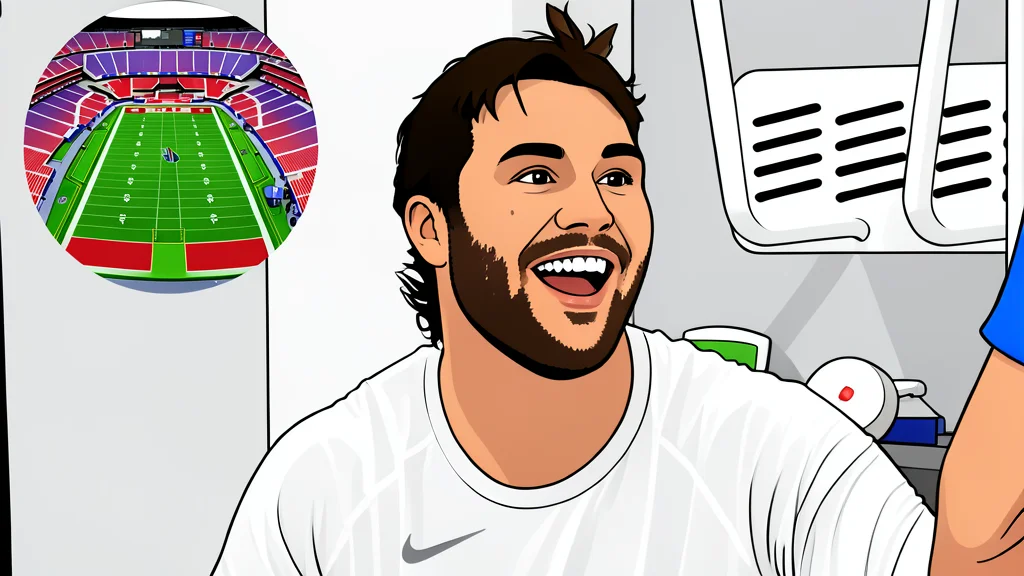
Inside the stadium, the narrative was different. Josh Allen was not thinking about keys or social media. He was thinking about the ball. In a 41-31 victory, he shouldered the weight of the offense. He rushed for two touchdowns, his legs driving into the turf with relentless force. He threw for 248 yards, completing 20 of 31 passes without a single interception. The ball found Joshua Palmer, Dalton Kincaid, and Dawson Knox in the end zone, a testament to his precision. The game was a display of individual brilliance, a stark contrast to the collective skepticism surrounding the stadium's opening.
Head coach Joe Brady saw the same thing. In the post-game conference, he praised Allen’s dominance. "He put the team on his back in a lot of those situations," Brady said. The coach’s words highlighted the physicality of Allen’s performance, the way he carried the team through the high-pressure moments. The score reflected his effort, a clean sheet of stats that stood in opposition to the messy public discourse. Allen had done his job, and then some, but the key in the fans' pockets remained a source of irritation.
The cost of expectation
The contrast between the field and the feed was jarring. On one side, a quarterback throwing for five touchdowns and rushing for 69 yards. On the other, a crowd mocking a plastic key. The Bills had built a palace, but the people inside were still looking for the crown. The $2.1 billion stadium was a statement of ambition, but the reaction suggested that ambition alone was not enough. The fans wanted results, not relics. They wanted the Super Bowl, not the key to it. As reported by Yahoo Sports, the situation highlights a growing disconnect between the grandeur of the facility and the patience of the fanbase.
The game ended, the lights dimmed, and the stadium stood empty. The key remained in the pockets of the fans, a small, silent object. It did not unlock anything. It did not change the narrative. It simply sat there, a reminder of the high expectations and the low tolerance for perceived slights. The Bills had opened their doors, but the hearts of the fans remained guarded, waiting for a performance that could match the price tag. The key was not the problem; the lack of a trophy was. And until that changes, the key will remain a symbol of what is missing, not what is gained.