Brees' Backyard Test Ended a Secret Broncos Plan
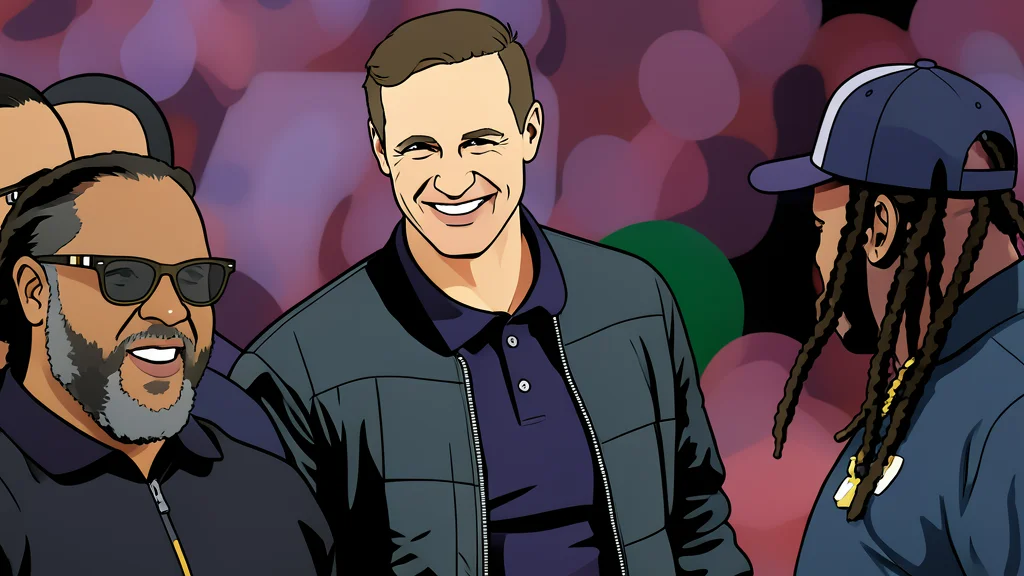
Drew Brees discovered his arm had lost its spark while trying to throw to his son, a reality check that silenced a quiet bid from Denver.
The yard was quiet. Drew Brees stood with a football in his hand, the leather worn smooth by years of grip. He looked at his son, Callen, and tried to rip a deep pass. The arm moved, but the power did not follow. The wrist felt dead. The shoulder, once a engine of precision, felt wasted. It was a physical verdict that no amount of mental readiness could override.
This moment of self-assessment happened in the shadow of a crisis. Bo Nix had fractured his ankle just before the field goal that sent Denver to the AFC Championship. The Broncos needed a quarterback. Two of their coordinators, who had worked with Brees in New Orleans, made a phone call. They asked the legend if he could step in. Brees said yes, but only after he proved his body could still fly.
A Backyard Reality Check
Brees had been inducted into the Pro Football Hall of Fame that same morning. The news should have been the highlight. Instead, it was the backdrop for a desperate experiment. He knew about twenty people in the Denver organization. He respected their head coach. He wanted to help them beat the Patriots and chase the Super Bowl. But the wrist and the shoulder told a different story. They were gone. The 'pop' was missing. He could not throw fifteen yards with the necessary force. The body had retired long before the mind did.
The conversation was not a casual chat. It was a probe. The assistants wanted to know if the door was open before they knocked on the head coach’s door. Brees was mentally primed. He was ready to face Mike MacDonnell’s defense. But the physical reality of a five-year layoff was a hard wall. The arm that had thrown 80,358 yards in a career could not meet the demands of a playoff game. The verdict was final.
A Secret Kept From Payton
Sean Payton did not know. The head coach was not part of the initial conversation. His assistants acted on their own, leveraging their shared history in New Orleans. They wanted to gauge interest before bringing the idea to the top. When Payton finally heard about it, he thought they were discussing the 2021 injury crisis. He did not know that his coordinators had reached out to a retired player for an immediate, high-stakes return.
The logistical hurdles were just as steep. Brees was on the Saints' reserve-retired list. The NFL deadline for a retired player to return had already passed. Even if the wrist had held, the rules might have blocked the path. Denver eventually turned to Jarrett Stidham. The story of Brees' potential return remains a quiet what-if. A man who was ready in spirit, but not in body, watching from the sidelines of his own backyard.
The Weight of Legacy
Brees’ career ended with a 70.5% completion rate in his final year. He finished with 571 touchdowns and a legacy that spans two decades. The attempt to return was not about glory. It was about loyalty. It was about a desire to help friends win. But the body does not care about loyalty. It only cares about function. And in that backyard, the function had failed. The story, as reported by Yahoo Sports, is a testament to the limits of human endurance and the quiet moments that define a career's end.