Chiefs Coach and WWE Legend Share a Face that Confuses Fans

The Kansas City sideline became a site of visual confusion as a wrestling icon claimed credit for the team's dominant performance.
Monday night at Arrowhead Stadium smelled of artificial turf and victory. The Kansas City Chiefs dismantled the Denver Broncos, 31-10, in a display of physical dominance that shook the concrete foundations of the house. Patrick Mahomes, fresh from his knee injury, moved with a sudden, violent burst of energy, dictating the pace of the game. The air was thick with the hum of a crowd witnessing a return to form, a rousing reclaiming of momentum.
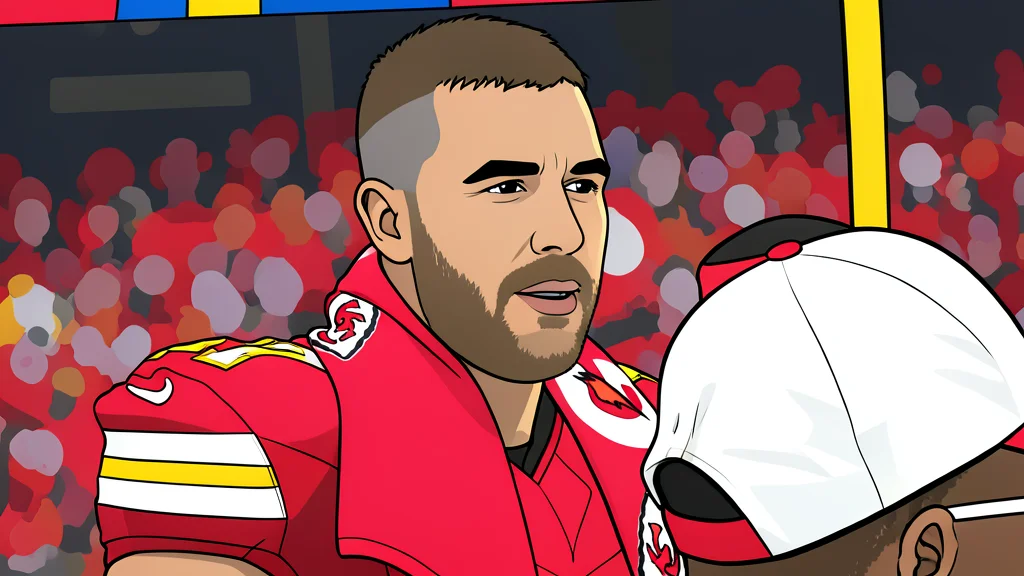
Behind the barriers, a figure in a headset directed the chaos. Eric Bieniemy, the 57-year-old offensive coordinator, orchestrated the offense with creative diagrams that opened up the field. Kenneth Walker III made a stirring debut, his legs pumping with purpose as he carved through the Broncos defense. But the visual echo of the sideline sparked a different kind of narrative, one that transcended the X-axis of the field and entered the realm of internet folklore.
A Wrestling Icon Claims the Sideline
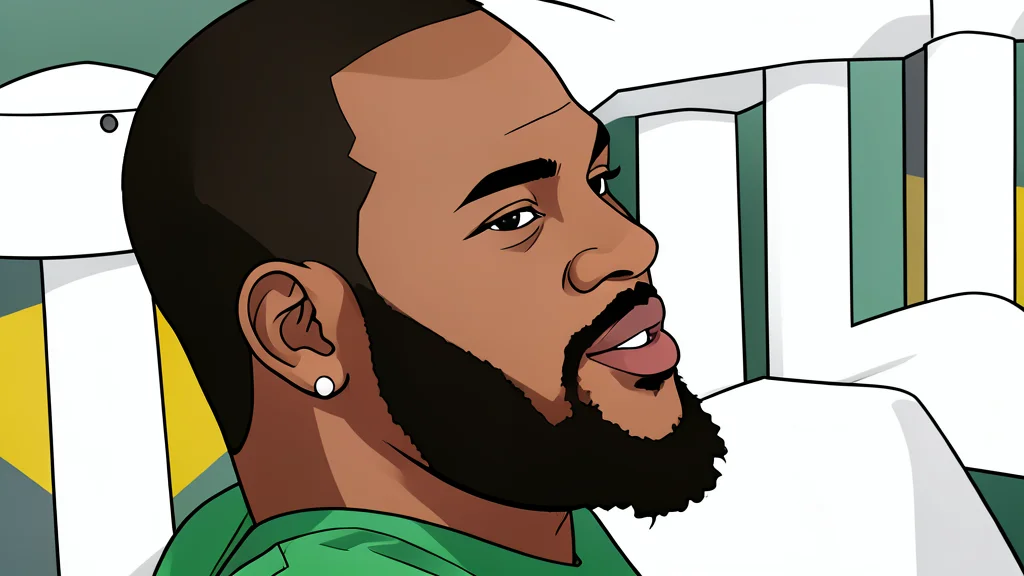
Mark Henry, the WWE powerhouse known for his immense strength and distinct facial features, broke his silence on social media. He posted a message celebrating his return to the Chiefs sideline, claiming he had brought Mahomes back from injury. The statement was a joke, a playful nod to the uncanny resemblance between the two men. Yet, in the fractured landscape of online discourse, the line between satire and fact blurred instantly.
The reaction was immediate and visceral. Fans flooded the comments, many unable to distinguish between the coordinator and the wrestler. The visual similarity was so striking that it triggered a cascade of disbelief. The post became a flashpoint for confusion, a digital echo chamber where the identity of the man calling the plays was suddenly in question.
Fans Struggle to Distinguish the Two
The social media feed turned into a gallery of mistaken identities. One user admitted to believing Henry was the coach at first glance. Another dubbed him the World's Strongest Offensive Coordinator, a title that blended athletic prowess with tactical genius. The comments section became a stage for collective doubt, with users sharing their own moments of visual confusion.
The discourse highlighted a deeper cultural phenomenon. In an era of high-definition screens and instant sharing, the human eye often fails where data succeeds. The resemblance was not just a passing similarity; it was a mirror image that challenged perception. The fans, armed with nothing but their eyes and their humor, engaged in a playful investigation into the nature of the man on the sideline.
The Myth of the Tag Team
The absurdity of the situation led to imaginative speculation. One suggestion proposed a tag-team match to settle the matter, with Bieniemy and Henry entering the ring together. The image of the two walking out to a high-energy entrance music track became a viral meme. It was a fantasy of sports and entertainment colliding, a scenario where the boundaries of reality dissolved into pure spectacle.
According to Yahoo Sports, the incident underscores the power of visual perception in the digital age. The distinction between the real and the perceived became a subject of public amusement. The Chiefs' victory was real, the performance was genuine, but the identity of the coach on the sideline remained a topic of playful debate. The story serves as a reminder that in the modern sports landscape, the narrative is often as important as the game itself.