Dallas Cowboys Collapse in New York Season Opener
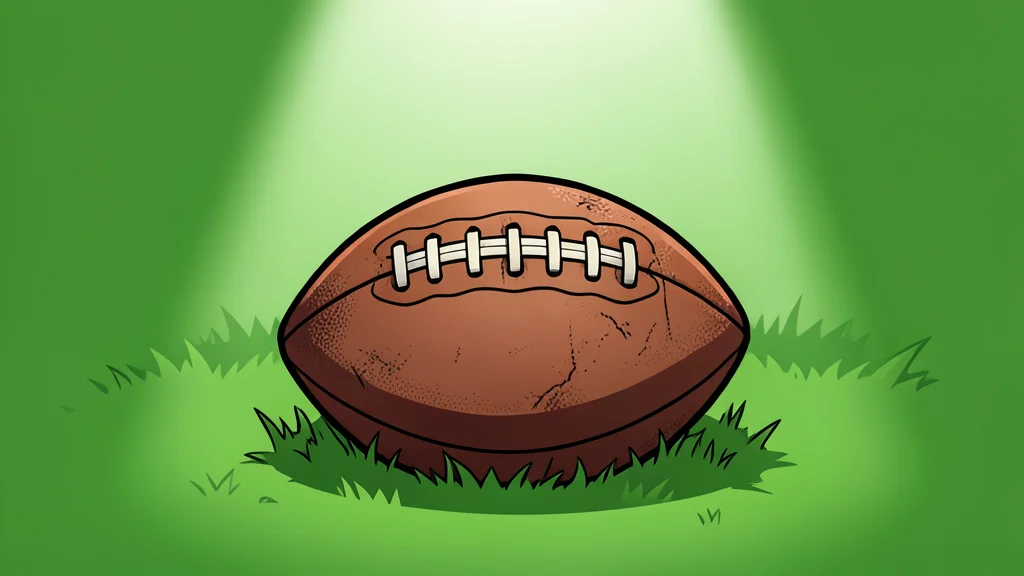
Stadium lights hum over a green field as the Giants take the lead, leaving Dallas fans staring at the scoreboard in silence.
The floodlights at MetLife Stadium cut through the humid New Jersey air, illuminating a green field that felt less like a pitch and more like a trap. Inside that box of light, the Dallas Cowboys stumbled. It was not a graceful fall, but a hard, loud crash against the reality of their own limitations. The Giants, playing with a physicality that snapped the air, seized control of the rhythm. Every snap, every snap of the chain, every breath of the crowd seemed to tighten the noose around Dallas. The scoreline, 28-20, was not just a number; it was a verdict delivered in real-time, echoing the long history of hope and heartbreak that defines this rivalry.
For the thirty years that have passed since the last championship, the Cowboys have walked into this game with the same script. The defense is rebuilt. The quarterback is in his prime. The owner has promised a Super Bowl run. Jerry Jones, the man who built an empire on expectation, had declared earlier in the summer that contending for the title was not outlandish. It was a reasonable goal. But under the glare of the lights, that promise dissolved into smoke. The team that finished last season 7-9-1 arrived with high hopes, but the Giants did not care about history. They cared about the next play, the next yard, the next score. And they took them, one by one, with a cold, mechanical precision that left Dallas gasping for air.
Defense Fails Under Pressure
The defensive unit, led by new coordinator Christian Parker, looked lost in the trenches. They surrendered lightning-quick strikes and slow, grinding drives with equal ease. The most damning moment came in the fourth quarter, when the Giants ran the exact same play four times in less than two minutes. Jaxson Dart found Devin Singletary wide open in the left flat, again and again, with the game still within reach. Singletary finally crossed the goal line, capping a second straight long drive in the second half. The Cowboys had allowed touchdowns on three straight possessions. It was not a blunder; it was a pattern. A failure of preparation that showed up in the numbers: four-for-four in the red zone, nine-for-ten on third down. The defense did not just lose the game; they lost the plot.
Offense Stalls in First Half
Dak Prescott’s offense sputtered in the first half, choked by a single, costly decision. Trying to punch the ball out of bounds, he threw an interception that sailed into the arms of the Giants. New York flew 55 yards down the field in 29 seconds, scoring just before halftime. Then, in the opening drive of the third quarter, they methodically marched for eight minutes and one second, turning a 7-7 tie into a 21-7 lead without Dallas ever touching the ball. It was a double dip, as head coach Brian Schottenheimer admitted, a punishment for the team’s inability to control the clock. Prescott, who had led Dallas into the end zone every time he touched the ball in the second half, was left on the sideline for nearly 22 of the final 30 minutes. You cannot make plays when you are not on the field. His final stats, 175 yards and two touchdowns, felt hollow against the backdrop of the team’s overall impotence.
Hope Remains for the Future
Despite the loss, Prescott insisted that this was only one game in a long year. He spoke of using the defeat as a lesson, of sticking together, of getting better rather than letting the result derail the season. It is a familiar refrain, one that echoes in every Cowboys locker room after a disappointing start. The fans, who outnumber the local crowd in New York, are used to this cycle of hope and disillusionment. But as the stadium lights dimmed and the crowd filed out, the silence was heavy. The Giants had not just beaten the Cowboys; they had reminded them of who they are. And for now, that is enough to keep the doubt alive.