Eagles Rely on Depth as Barkley Sees Limited Snaps in 24-20 Win

Philadelphia's rotation strategy dominated the matchup, with Saquon Barkley playing just 16% of offensive snaps while Darius Cooper secured the late lead.
Key points
- Saquon Barkley played only 12 offensive snaps, a 16% share, while Will Shipley led the backfield with 39 snaps.
- Darius Cooper caught the game-winning three-yard touchdown pass from Jalen Hurts with nine seconds remaining.
- Five Eagles defenders, including Cooper DeJean and Riqq Woolen, played all 53 defensive snaps.
The Philadelphia Eagles controlled the pace of their Week 2 victory over the Tennessee Titans through a calculated exhaustion of their own roster. In a 24-20 triumph, the offense did not rely on a single engine but rather a distributed network of bodies moving in unison. Jalen Hurts and the starting offensive line remained anchored to the field for all 76 offensive snaps, a physical commitment that stood in stark contrast to the fluidity of the skill positions behind them.
This structural decision created a distinct rhythm on the field. While the interior linemen absorbed the weight of the game, the perimeter players cycled through the action with surgical precision. The result was a team that maintained high energy levels deep into the fourth quarter, setting the stage for a finish that hinged on freshness rather than endurance.
Backfield rotation shifts offensive balance
The most significant tactical shift occurred in the backfield, where volume was spread across multiple runners. Will Shipley led the group with 39 snaps, while Tank Bigsby contributed 26. Saquon Barkley, the marquee name, logged only 12 offensive snaps, representing a mere 16% of the total. This distribution allowed the Eagles to keep the Tennessee defense guessing, preventing them from keying on a single threat.
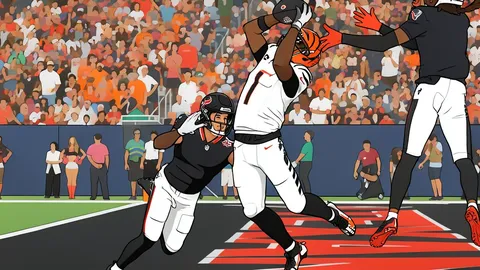
Darius Cooper, playing 31 snaps, provided the critical spark in the closing seconds. With nine seconds remaining, he caught a three-yard touchdown pass from Hurts to seal the win. This play highlighted the effectiveness of the rotation, as a player who had been a steady presence but not the primary focus delivered the decisive blow. The depth chart was not just a backup plan; it was the primary offensive engine.
Defensive core maintains full game presence
On the other side of the ball, Philadelphia’s defensive philosophy prioritized continuity. Five defenders, including Zack Baun, Cooper DeJean, Andrew Mukuba, Quinyon Mitchell, and Riqq Woolen, played all 53 defensive snaps. Their constant presence ensured that the Titans never faced a fresh rotation, allowing the Eagles to maintain their defensive scheme and pressure throughout the entire contest.
Supporting this core, second-year linebacker Jihaad Campbell played 47 snaps, an 89% share of the defensive action. The defensive line also showed strong depth, with Moro Ojomo leading the group with 43 snaps, followed closely by Jalyx Hunt with 42. This layered approach allowed the Eagles to sustain high-intensity plays without sacrificing the integrity of their front seven.
Special teams usage reflects strategic adjustment
Adjustments were also visible in the special teams units, where Jeremiah Trotter Jr. and Kelee Ringo led with 19 snaps each. Notably, Trotter did not record a single defensive snap, a sharp departure from his prominent role in the season opener. This specific change in usage underscored the coaching staff's willingness to re-evaluate roles based on performance and game flow.
According to Yahoo Sports, these granular details reveal a team that values versatility and situational awareness over static roles. The Eagles did not just win a game; they managed a complex system where every player had a defined, often limited, purpose. The 24-20 scoreline was merely the final output of a process that prioritized collective effort over individual star power, ensuring that the team remained competitive well into the final minutes.