Harbaugh's Tackle: A Physical Reset Before the Giants' Victory
A head coach drops onto his receiver during walkthroughs, a visceral act designed to shatter the fear of contact before the lights of the stadium flicker on.
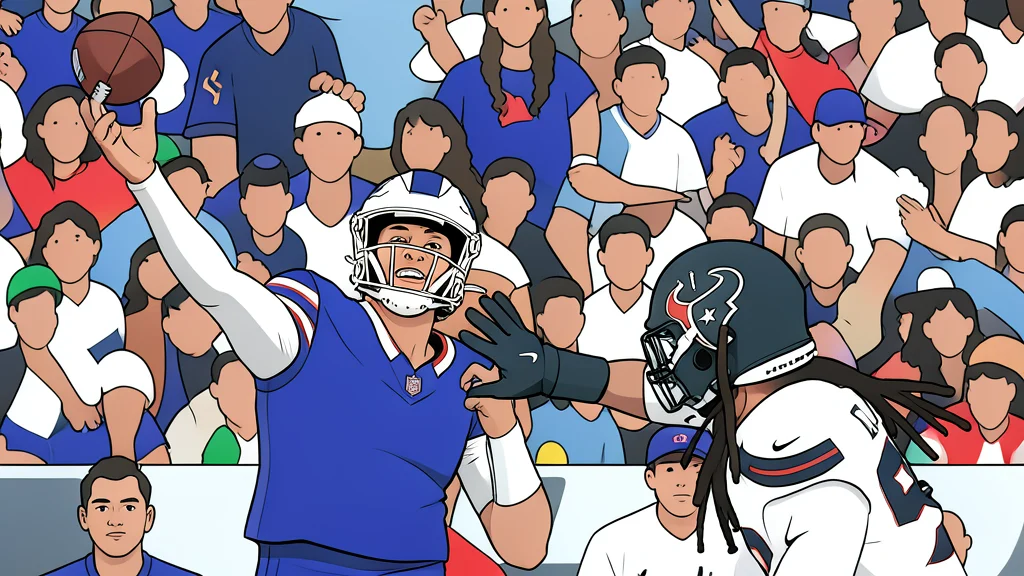
The air in the tunnel was thick with the scent of wet turf and anticipation. Malik Nabers stood still, his mind replaying the last six months of rehabilitation, the grueling climb back from a torn ACL that had silenced the stadium for most of the preseason. Then, John Harbaugh moved. The coach did not shout. He did not gesture. He simply lowered his body and drove his shoulder into the receiver’s chest, a deliberate, controlled collision that sent both men sprawling onto the artificial grass. The impact was sharp, a sudden punctuation mark in the quiet routine of the pregame. Nabers rolled to his feet, dusting off his jersey, his eyes wide not with anger, but with a sudden, visceral clarity. The fear had not been a ghost; it had been a weight, and the coach had just handed him the hammer to break it.
Jaxson Dart, standing nearby, watched the scene unfold with a mix of shock and amusement. He later recounted the moment to reporters, his voice carrying the dry cadence of someone who has seen many things but not this. The team was protective, hovering over their star wideout like a shield wall. Then Harbaugh struck. It was a tactical strike, not a tantrum. By forcing a physical contact, the coach eliminated the hypothetical. Nabers would not imagine being hit; he had already been hit, by the man responsible for his safety. The uncertainty that had clouded the Sunday night matchup against the Dallas Cowboys evaporated, replaced by the cold, hard reality of the game ahead.
Shattering the Preseason Silence
Heading into the primetime clash, questions swirled around Nabers like smoke. Could he absorb the hits he had avoided during the recovery period? The doubt was palpable, a low hum in the locker room. Harbaugh’s intervention was a direct assault on that doubt. It was a statement written in body language rather than words. The tackle was not about violence; it was about proof. It demonstrated that the human body, even one rebuilt from scratch, could withstand the rigors of the sport. The coach understood that mental barriers are often more fragile than physical ones, and sometimes, the only way to break a mental wall is to kick it down with a well-placed boot.
A Victory Forged in Contact
The result on the field validated the unconventional method. Nabers did not play tentatively. He did not shrink away from the line of scrimmage. Instead, he engaged, his hands firm on the football, his body ready for the collision. He finished the night with six receptions for 69 yards, a modest stat line that belied the significance of his presence. The game ball sat in his locker, a trophy for a different kind of battle. The victory over the Cowboys was not just a win on the scoreboard; it was a win of confidence, forged in the moment the coach decided to become the obstacle.
The Psychology of the Hit
Sports psychology often speaks of visualization, of imagining success. Harbaugh preferred a different approach. He made the fear real, then neutralized it. By tackling his own player, he removed the receiver from the position of the victim and placed him in the position of the survivor. It was a crude, effective tool. The story spread quickly, capturing the imagination of fans and analysts alike. As reported by Yahoo Sports, the incident highlighted a raw, unfiltered side of football leadership. It was a reminder that in the high-stakes environment of the NFL, the mind is as much a muscle as the leg, and it requires training, sometimes of the most physical variety.