Late Hit on Caleb Williams Sparks NFL Review
A defensive rush extended past the legal limit, altering the momentum of a lopsided Bears victory and triggering a league investigation.
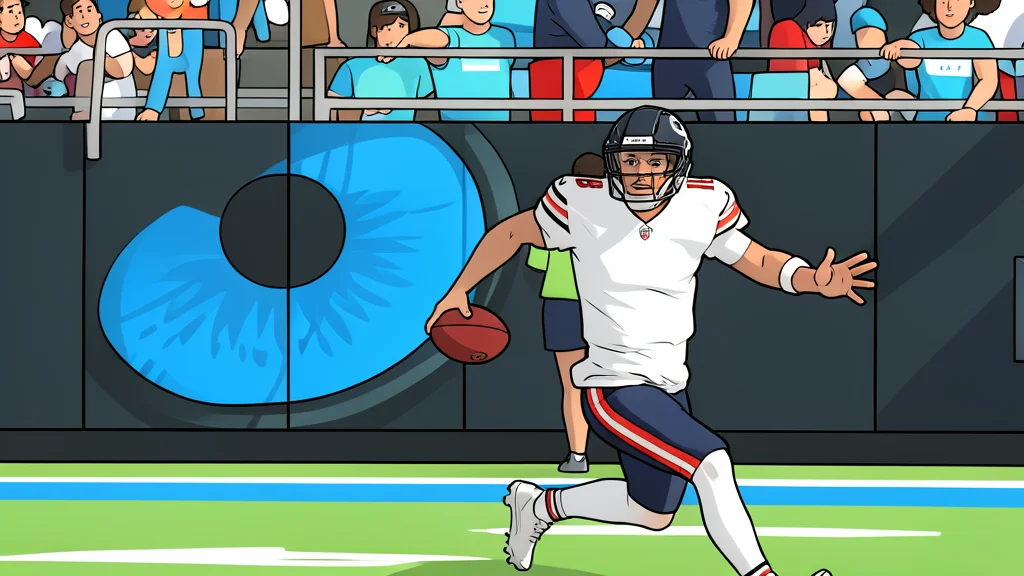
The stadium air hummed with the static of a tie game, 31-31, as the third quarter bled into the fourth. Caleb Williams scrambled back, his eyes scanning the void. He released the pass, a crisp arc against the evening light, but the danger did not end with the snap of his fingers. Derrick Brown, a wall of muscle from Carolina, kept rushing. The ball was gone, yet the defender pressed forward, his momentum carrying him into a collision that sent Williams sprawling onto the turf.
The whistle shrieked, sharp and final. Officials flagged the play immediately, identifying roughing the passer. The penalty swung the field position violently in Chicago's favor, granting a 15-yard gain and an automatic first down. What had been a desperate second-and-20 situation for the Bears transformed into a manageable drive from the Panthers' 11-yard line. Three plays later, D'Andre Swift crossed the goal line, breaking the deadlock and igniting a scoring surge that sealed a 59-37 defeat for Carolina.
Defining the Boundary of Contact
The NFL rulebook draws a bright line in the sand for quarterbacks. Under Rule 12, Section 2, Article 11, protection extends beyond the moment of release. A rushing defender is permitted to make direct contact only through his first step after the passer lets go of the ball. Beyond that initial stride, the obligation shifts. The defender must attempt to avoid contact. Forcibly continuing the rush after the release violates the code, exposing the player to disqualification if the action is deemed flagrant.
Financial Consequences of Late Hits
The in-game penalty was just the first step in a broader process. The league’s accountability rulebook treats roughing the passer as a serious violation, one that often results in fines following a postgame review. For a first offense, the standard fine sits at $17,911. However, the final amount is not set in stone. It depends on how the league classifies the play and the discretion of the referee in determining whether the contact was warranted by the circumstances. Brown’s hit, delivered after the ball was already in flight, now faces this financial scrutiny.
League Review Determines Outcome
While the Bears capitalized on the momentum shift, the focus now shifts to the NFL’s internal review. The postgame analysis will determine if Brown faces additional punishment beyond the yardage conceded on the field. As reported by Yahoo Sports, this incident joins a growing list of quarterback protection cases under the microscope. The outcome will serve as a test of the league’s commitment to enforcing the boundaries of contact, ensuring that the spirit of the rule remains intact even in the heat of a physical contest.