Lions Lose Isiah Pacheco to Back Surgery for Twelve Weeks
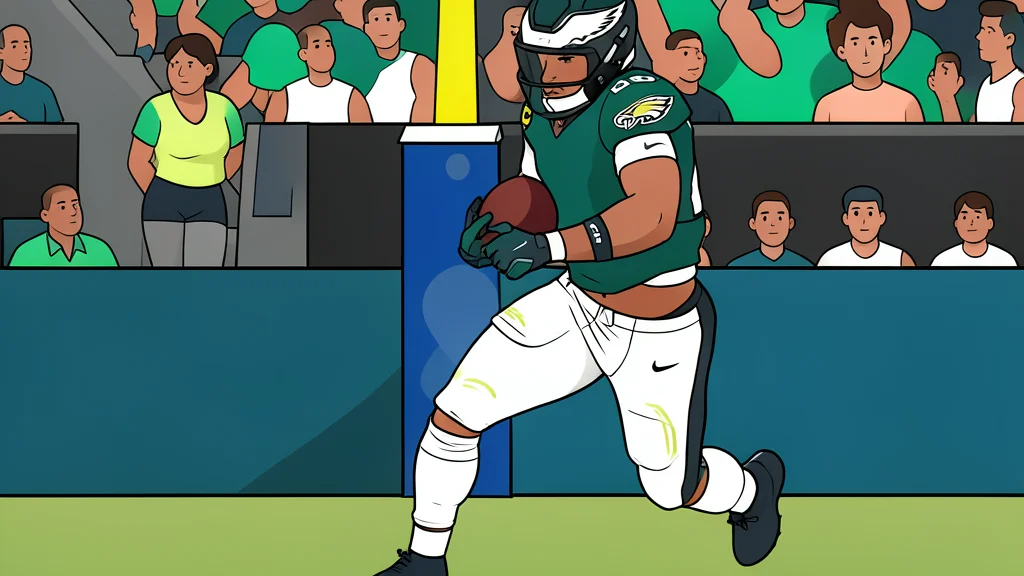
Detroit's ground game leans heavily on Jahmyr Gibbs as Isiah Pacheco heads to the operating table, leaving the running back room hollow and the workload heavy.
The green turf of Ford Field still hums with the residual energy of a hard-fought victory, but the silence in the training room is deafening. Isiah Pacheco is out. Not for a few days, not for a few weeks, but for a significant stretch of the season. Coach Dan Campbell’s voice carries the weight of the news, flat and final. "It's going to be a while," he says. The repetition hits like a physical blow, a double-tap that leaves no room for optimism. Pacheco underwent back surgery to remove a mass pressing on a nerve, a procedure that NFL Network reports will sideline the running back for approximately twelve weeks.
This leaves the Detroit Lions with a stark reality: their primary engine, Jahmyr Gibbs, must carry the entire offensive load without relief. The backup option is gone, replaced by a rookie who has barely touched the line of scrimmage. The depth chart, once a layered structure of power and speed, has collapsed into a single, fragile pillar. The team signed Pacheco this offseason specifically to act as the power complement to Gibbs, but a sprained MCL in camp and a subsequent back injury have erased that plan before the season truly began.
Gibbs carries the entire offensive load
Jahmyr Gibbs did not just play; he shouldered the heaviest burden of his career. In the 31-30 overtime win over the New Orleans Saints, Gibbs racked up a career-high 29 carries for 156 yards and two touchdowns. The numbers are cold, but the effort behind them is visceral. He caught five passes for 30 yards, adding another layer to his versatility. Four of his carries were nullified by penalties, a frustration that would irritate any player, yet Gibbs kept pushing. The Lions' offense moved, it breathed, it scored, but it did so with one man doing the work of three. The physical toll of that demand is already visible in the way he moves, the way he absorbs hits, the way he resets after every snap.
With Pacheco out, the Lions must rely on a roster that is thin at a critical position. The injury report now lists rookie Blake Miller among the offensive line starters, adding another layer of concern to a unit that must protect a quarterback who is now heavily dependent on his running back. The offense is a machine, and a key gear has just been removed. The machine must keep turning, but the strain is evident in every drive, every play, every snap.
Vaki's inconsistent debut in the lineup
Sione Vaki stepped into the void left by Pacheco, handling 22 snaps as the presumed No. 2 back. He finished with two carries for 7 yards and one catch for 11 yards. The numbers are modest, but the performance was raw. Campbell was blunt in his assessment, calling Vaki's play "inconsistent." The rookie showed flashes of promise, with a couple of good carries and a solid checkdown catch, but he also made mistakes that stood out. "There was a couple of things in there that he's got to be better at," Campbell said. The coach’s tone was firm, not cruel, but the message was clear: Vaki must tighten up his game. The Lions will need him, and they need him to be reliable.
The pressure on Vaki is immense. He is not just filling a gap; he is stepping into a role that was designed for a veteran. The transition from practice to game action is a chasm, and Vaki is still learning to cross it. His mixed reviews reflect a player who is trying to find his footing in a high-stakes environment. The Lions' offensive scheme requires precision, and Vaki’s inconsistency is a liability that the coaching staff must address quickly. The next game against the Buffalo Bills will be a true test of whether Vaki can rise to the occasion.
Depth chart struggles without Pacheco
The absence of a reliable second back creates a structural weakness that opponents can exploit. Jacob Saylors, who did not play an offensive snap against the Saints, could see time in the upcoming game. The Lions are essentially gambling on a rookie and a backup to hold down a position that is central to their identity. This is not a sustainable long-term solution. The team’s offense is built on the premise of Gibbs and a complementary back working in tandem. Without that tandem, the offense becomes one-dimensional, predictable, and vulnerable.
The twelve-week timeline for Pacheco’s recovery means he will miss a significant portion of the regular season. The Lions must find a way to manage Gibbs’ workload without burning him out. The physical demands of carrying the offense are immense, and the risk of injury is high. The coaching staff must be strategic in their play-calling, using play-action passes and other formations to keep the defense honest. But ultimately, the burden falls on Gibbs. He is the heart of the offense, and with Pacheco out, he is the entire engine. The Lions can win games in this configuration, but they will be left with a tired back and a shallow bench. The cost of this injury is not just the loss of a player; it is the loss of a plan.