Martindale Contrasts Dart and Ward in Sharp Critique
A former coordinator draws a line between two quarterbacks, using their Week 1 performances to highlight a stark difference in offensive execution.
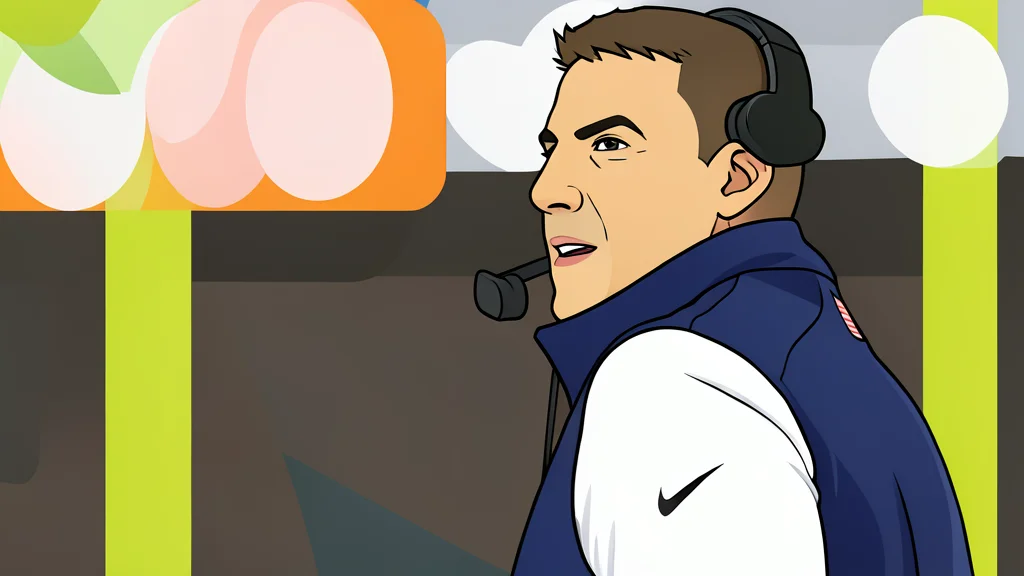
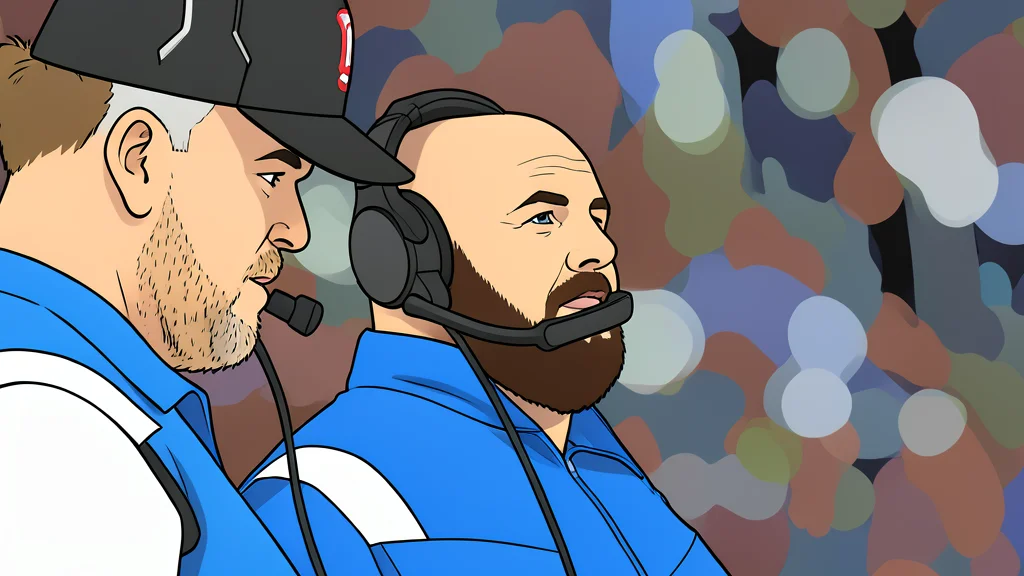
The silence in the broadcast studio breaks only to be filled by a verdict. Wink Martindale, the former Giants defensive coordinator, does not mince words. He points to the tape from Sunday night, where Jaxson Dart stood in the pocket with a calmness that felt foreign to the season's opening weeks. "He looked like a completely different quarterback," Martindale says, his voice steady but edged with the weight of recent history. The contrast is not just about Dart; it is a direct line drawn to Cam Ward, whose struggles against the Jets serve as the shadow to Dart’s light.
This observation comes from the latest episode of "Wednesdays with Wink" on Talkin' Ball, a platform where Martindale shares unfiltered thoughts with Pat Leonard. The former coordinator’s commentary, as reported by Yahoo Sports, frames Dart’s performance not as a fluke, but as a structural success. By pairing Dart’s efficiency with Ward’s struggles, Martindale creates a narrative of cause and effect, suggesting that the difference lies not in the talent, but in the system surrounding it.
The tape reveals structural clarity
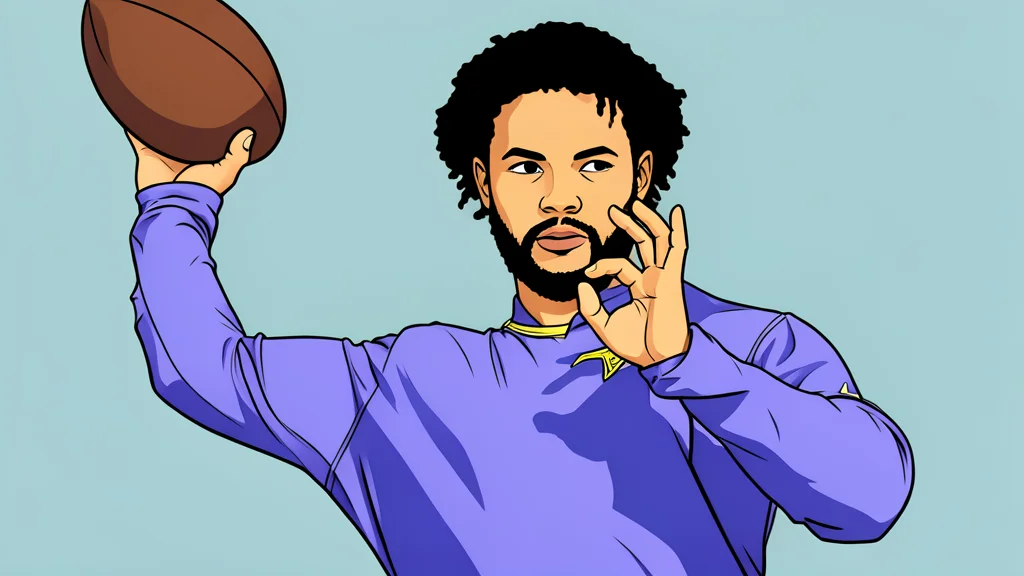
The numbers on the field tell a story of command. Dart completed 23 of 29 passes for 230 yards and three touchdowns, leading the Giants to a 28-20 victory over Dallas. The offense moved with purpose, converting nine of 10 third downs, a rhythm that suggests a quarterback who knows exactly what is expected. Dart added 54 rushing yards, a display of physicality that kept defenses honest. It was a performance of control, where every snap seemed to have a destination and a plan.
In Nashville, the scene was starker. Cam Ward, the No. 1 pick from the same draft class, went 19 of 32 for 140 yards in a 23-10 loss to the Jets. The Titans managed only 195 total yards, a statistic that speaks to a stalled engine. Ward threw one late touchdown, but the rest of the drive was a struggle against a Jets defense that found its footing. The contrast between the two games is not merely statistical; it is atmospheric. One team moved with intent; the other seemed to search for it.
A quiet jab at the past
Martindale’s comments carry the weight of a shared history. The split between Martindale and Brian Daboll in January 2024 was public and heated, a departure that left scars on both sides. Now, with Daboll serving as the offensive coordinator in Tennessee, the dynamic has shifted. Martindale’s praise for Dart’s new system, led by John Harbaugh and Matt Nagy, is a subtle reminder of the changes that have taken place since Daboll’s tenure in New York ended in November.
The message is clear, even if delivered with a degree of restraint. Dart’s jump in performance is attributed to structure, to a system that allows the quarterback to stay within himself. Ward’s struggles, meanwhile, are left to speak for themselves. There is no explicit attack, no slammed door, but the implication is heavy. The difference between the two quarterbacks is not just in their arms, but in the minds guiding them.
Progress defined by context
As the 2026 season unfolds, the narrative of growth is being written in real time. Martindale’s analysis offers a lens through which to view these early performances. It is a reminder that football is not just about individual skill, but about the interplay of people, systems, and expectations. Dart’s clarity and Ward’s confusion are two sides of the same coin, a coin that has been flipped by the changing hands of coaching staffs.
The debate will continue, with fans and analysts alike weighing the merits of each system. But for now, the tape is clear. One quarterback found his rhythm; the other is still searching. The difference, as Martindale suggests, is not just in the play, but in the preparation. It is a lesson in the power of context, where the right environment can turn a good player into a great one.