Mayfield Takes Blame for Three-Turnover Loss to Bengals

Tampa Bay’s season opener dissolved into a flurry of loose balls and hard hits, leaving the quarterback with a heavy score to answer.
The snap arrives, the pocket collapses, and the leather sphere escapes from a hand that usually holds it firm. In the opening quarter of the Tampa Bay Buccaneers' season debut, the air grew thick with the scent of wet turf and the sound of heavy impacts. Baker Mayfield found himself trapped by the Cincinnati Bengals' defensive pressure, his movements clipped by aggressive linemen who sought to strip the ball from his grasp. The first strip led to a scramble, the second to a fumble, and the rhythm of the game shattered before the first commercial break.
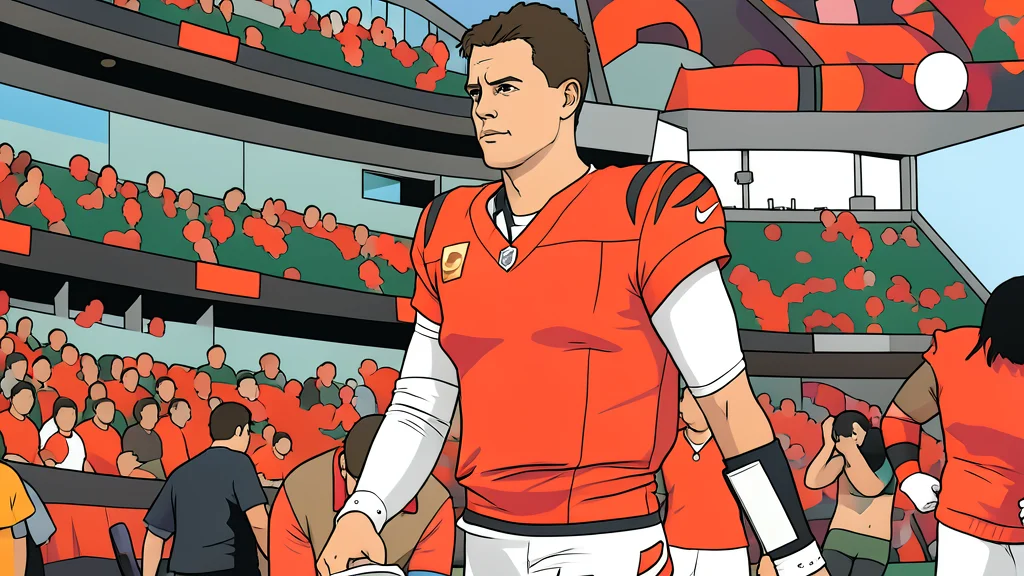
Cincinnati seized the moment with surgical precision. Demetrius Knight Jr. found the loose ball, his eyes locking onto the open field, and he sprinted untouched into the end zone. The crowd’s roar faded as the Buccaneers’ defense stood stunned. On the next drive, the same sequence played out: pressure, panic, and another turnover. By the time the second quarter began, the score was a humiliating 14-3, the gap widening with every missed block and dropped pass. The Bucs’ offense, once a promise of power, now looked like a machine with a broken gear.
Defensive Pressure Overwhelms Offensive Line
The Bengals’ defensive scheme was built to disrupt, and it worked with ruthless efficiency. Their linemen moved with coordinated speed, hitting Mayfield before he could set his feet. The Buccaneers’ offensive line, tasked with shielding their quarterback, struggled to keep the pocket intact. Each sack was a physical reminder of the gap in preparation. Mayfield, caught in the chaos, made the mistakes that followed. The turnovers were not just individual errors but a systemic failure to protect the ball under duress.
The third turnover came in the second quarter, sealing the game’s early trajectory. Cincinnati capitalized on the possession, extending their lead to 21-3. The Buccaneers’ offense, now playing from behind and under pressure, could not find its footing. The ball became a liability, slipping from grips that should have been secure. The scene was one of disjointed effort, with players reacting to a game that had slipped away in the first 15 minutes.
Mayfield Accepts Full Responsibility
After the final whistle, Mayfield stood in the locker room, the weight of the loss settling on his shoulders. He did not point fingers at the offensive line or the coaching staff. Instead, he took the blame, acknowledging that his turnovers had cost the team a chance to win. “This one falls on me,” he said, his voice steady but heavy with regret. The 17 points generated from his mistakes were a stark reminder of the price of carelessness in a high-stakes environment.
The Buccaneers’ loss was ultimately by six points, 33-27, a margin that feels both close and cruel. The team managed to claw back from a double-digit deficit, showing resilience in the second half. Yet, the early turnovers created a hole too deep to dig out of. Mayfield’s contract, a three-year, $165 million extension, now carries the weight of high expectations. The loss serves as a harsh lesson, a reminder that talent alone is not enough when the ball is not handled with care.
Looking Ahead to Cleveland
The Bucs now turn their attention to the Cleveland Browns, a team that will test their ability to adjust. The offensive line must improve its protection, and Mayfield must tighten his grip on the football. The loss to the Bengals was a wake-up call, a moment that defined the season’s early struggles. As the team prepares for the next game, the memory of those three turnovers will linger, a constant reminder of what can go wrong when the fundamentals slip.