McCarthy Shoulders Blame for Steelers' Stuttering Start
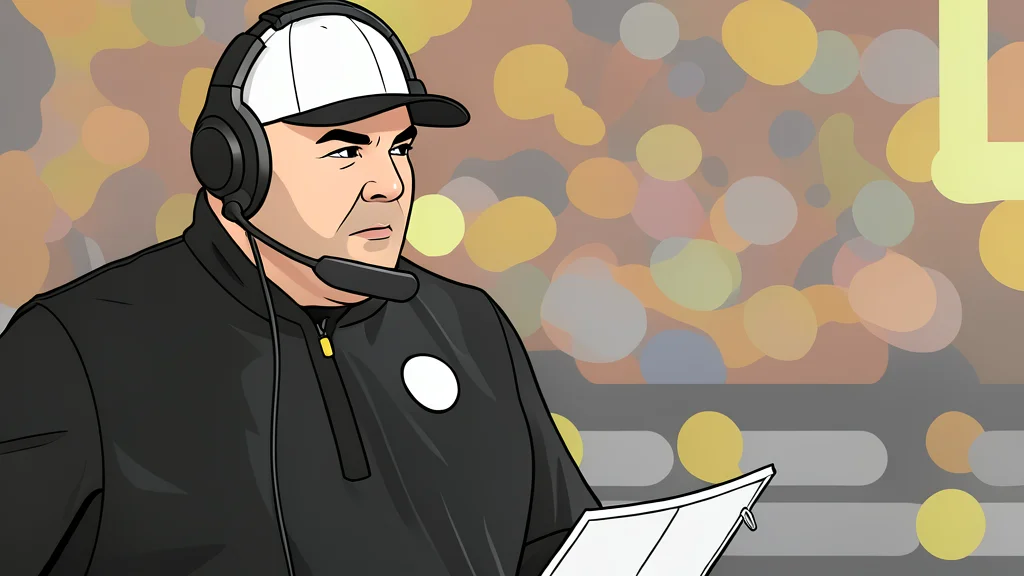
Pittsburgh's head coach takes full ownership of the offense's disjointed performance against Atlanta, citing his own decision-making as the root of the early-season struggles.
The scoreboard at Acrisure Stadium glowed with a victory, yet a heavy silence hung over the offensive line of thought for Pittsburgh. While the defense held firm and the final whistle brought relief, the passing game remained a jagged, uneven patchwork. Mike McCarthy, the head coach, did not point a finger at the players or the system. He turned the lens inward, accepting the weight of the inefficiency as his own responsibility.
Speaking to reporters on Monday, McCarthy described the offensive flow as "herky-jerky," a term that captures the lack of momentum and rhythm. He acknowledged moments where the team seemed poised to explode, only to stall out in the subsequent sequences. For a coach known for offensive acumen, admitting that he failed to get the players into a groove is a stark admission of a September struggle.
The disconnect from the sideline
McCarthy’s self-criticism centers on the play-calling process. He recognized that while there were stretches of high-quality execution, the overall cadence was broken. The offense lacked the sustained drive that typically defines a potent unit. Instead, the game felt like a series of isolated bursts rather than a continuous wave. This discontinuity, he argued, was a direct result of his decisions in the booth.
The quarterback, Aaron Rodgers, and tight end Pat Freiermuth found ways to create, with Freiermuth securing a second-quarter touchdown catch against Atlanta safety Jessie Bates III. Yet, these individual flashes of brilliance did not mask the broader systemic issues. The team had good sequences, McCarthy noted, but they never achieved the sustained takeoff required to dominate the game.
Rough edges of September
The coach framed these struggles within the broader context of the NFL's first month. September is notoriously unpredictable, a time when schemes are fresh and adjustments are still being made. McCarthy referenced his extensive league experience, noting that this kind of disjointedness is unfortunately a common occurrence early in the season. It is a period of trial and error where even veteran coaches can misread the tempo.
Despite the offensive hiccups, the Steelers managed a Week 1 win over the Atlanta Falcons. The defense, including linebacker Divine Deablo, provided the necessary stops to keep the team in the game. Running back Rico Dowdle added a spark with a catch-and-run play in the third quarter, and kicker Chris Boswell connected on field goals to pad the score. These elements combined to secure the victory, even if the passing attack remained a work in progress.
Taking ownership of the process
By placing the blame on his own shoulders, McCarthy sets a standard for accountability. It is a move that shields the players from undue pressure and keeps the focus on coaching adjustments. The narrative is clear: the foundation is there, the talent is present, but the flow needs to be smoothed out. As the season progresses, the expectation is that the herky-jerky rhythm will evolve into a steady, powerful surge.
According to Yahoo Sports, the Steelers' Week 1 performance offers a mix of hope and concern. The win provides a cushion, but the offensive inconsistency remains a critical area for improvement. McCarthy’s willingness to take the hit for the team's struggles suggests a coach who is deeply engaged in the process, ready to refine his approach as the season deepens.