Monken Withholds Watson Commitment After 34-10 Collapse

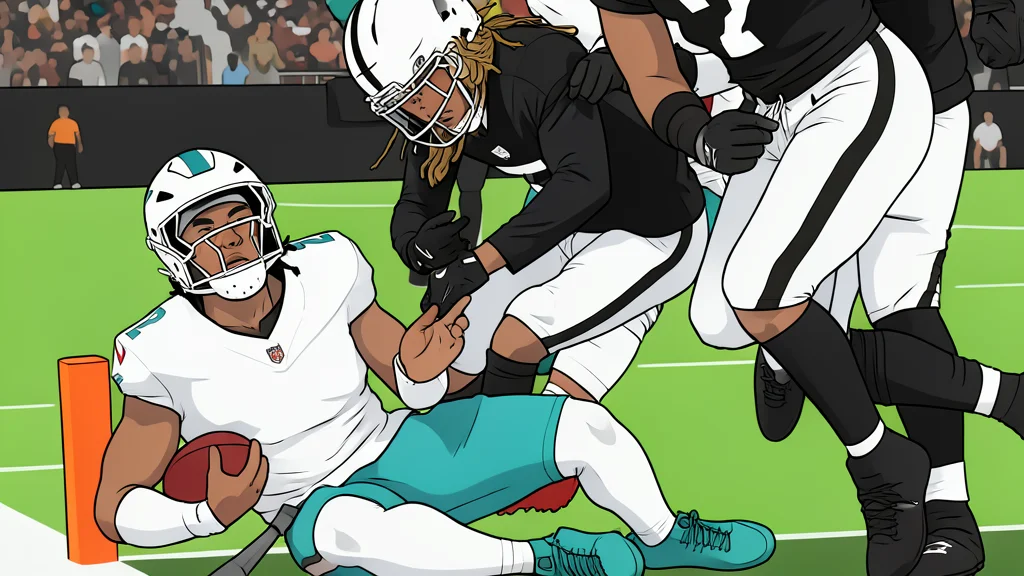
The turf in Jacksonville turned hostile under the stadium lights as the Browns defense crumbled, leaving Deshaun Watson isolated in the pocket while the Jaguars swarmed.
The air in Jacksonville hung heavy with the scent of cut grass and impending failure. On the first possession, the ball snapped, traveled through the air, and was intercepted before the Browns had even reached the line of scrimmage. It was a violent, immediate rejection of the offensive scheme. The score swelled to 34-10, a blowout that left the Cleveland sideline silent and the coaching staff tense. The physical toll of the loss was immediate, a visceral reminder that the season had not merely started but had already begun to fray at the seams.
Back in the locker room, the silence was louder than the noise outside. Head coach Todd Monken faced the media with a guarded expression, his voice flat and deliberate. He refused to name a starter for the upcoming matchup against the Buccaneers. The decision was not made in the heat of the moment, but deferred to a cold, analytical review of the footage. The uncertainty hung in the air, a tangible weight pressing down on the room.
Coach Refuses to Name Starter
Monken’s words, captured by Yahoo Sports, carried a heavy burden of collective responsibility. He insisted that the loss was not solely the quarterback's fault, arguing that the entire unit had failed to execute. The coach pointed to the play-calling and the performance of the surrounding personnel as primary contributors to the defeat. This was not a dismissal of Watson, but a broad critique of the team's overall execution. The coach emphasized that no single player could be singled out for the team's comprehensive failure on the field.
The evaluation process would be thorough and unemotional. Monken stated that he had not yet watched the tape, indicating that any decision would be based on detailed analysis rather than immediate reaction. The coach’s stance was firm: he was not firing the staff, nor was he discarding the entire roster. The situation was framed as a systemic issue requiring a holistic review of the coaching and playing units.
Uncertainty Hangs Over Week Two
The prospect of a quarterback change loomed large in the aftermath of the loss. If the coaching staff decides to make a switch, Shedeur Sanders would step into the starting role. The possibility of such a move added a layer of tension to the upcoming days of preparation. The team’s direction became uncertain, with the quarterback position becoming the focal point of internal debate and external scrutiny.
The physical environment of the game had set the stage for this emotional and strategic crisis. The green of the turf, once a symbol of opportunity, now represented a stark contrast to the team's performance. The loss was not just a number on the board but a reflection of deeper issues within the organization. The next few days would be critical in determining whether the Browns could stabilize their offense or if the instability would continue to plague their season.
Collective Responsibility Over Individual Blame
Monken’s refusal to single out Watson was a strategic move to maintain team cohesion. By emphasizing collective responsibility, the coach aimed to prevent internal division and foster a unified front. The message was clear: the team must rise or fall together, and the search for solutions must be comprehensive. This approach sought to shield the players from undue pressure while holding the entire organization accountable for the result.
The path forward remains unclear, with the coaching staff committed to a data-driven decision. The upcoming game against the Buccaneers will be the first real test of the team’s ability to adapt and improve. The pressure is on to provide a clear direction and restore confidence in the offensive unit. The Browns are at a crossroads, and the choices made in the coming days will define their trajectory for the rest of the season.