Stefon Diggs' Goalpost Embrace Costs Commanders a Tie
A bear hug with the metal uprights turned a potential winning drive into a missed chance, sealing a 24-22 defeat for Washington.
The metal uprights of the end zone groaned under the sudden weight of Stefon Diggs. He wrapped his arms around the cold steel, his body folding backward onto the turf in a display of raw, unfiltered joy. It was his first score for Washington, a moment meant to ignite the crowd, but the celebration froze the momentum. The referee’s hand cut through the air, a sharp gesture that signaled a foul far more expensive than any yard gained. The Commanders had intended to attempt a two-point conversion to tie the game, a daring choice that required a clean play. The 15-yard penalty for unsportsmanlike conduct stripped that option from the table, forcing a kick that fell short of the need.
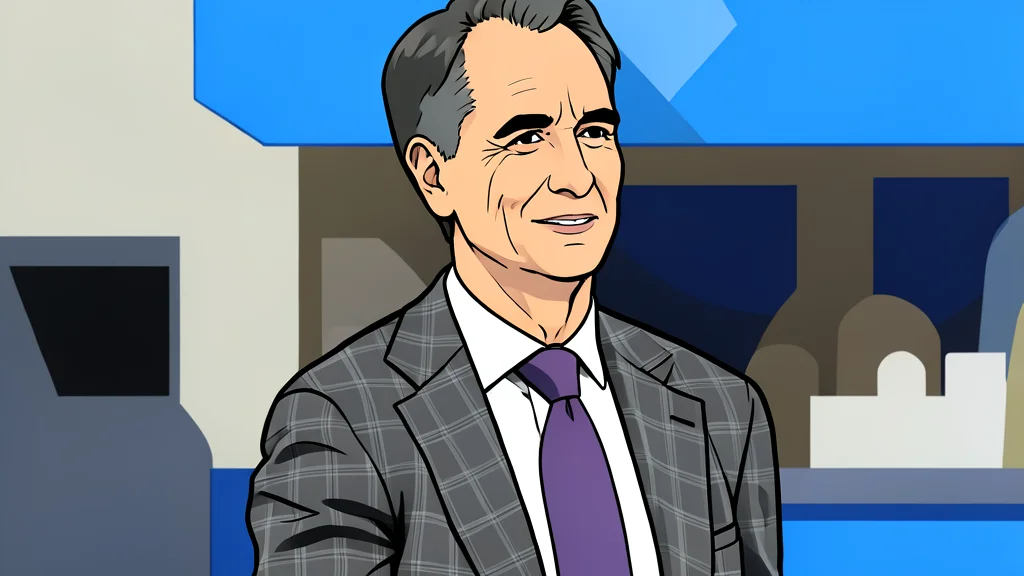
The score remained 17-16 in the fourth quarter, a precarious lead for the Philadelphia Eagles. The Commanders’ gamble on Diggs, a veteran receiver now on his fifth team in twelve seasons, had begun to unravel in the most symbolic way possible. The locker room mood shifted from hopeful to heavy. Jayden Daniels, the quarterback who had just thrown two fourth-quarter touchdowns, accepted the blame for not reinforcing situational discipline in the huddle. The physical act of hugging the post, a universal gesture of release, became a tactical error that haunted the final minutes. The Eagles, the two-time defending NFC East champions, held their ground against a team desperate to bounce back from a five-win season.
Daniels shields coaching staff
With the clock ticking down, the Commanders’ offense faced its final test. Offensive coordinator David Blough called a shovel pass to tight end John Bates on the two-point attempt with 1:01 left. The play died instantly as Eagles defensive end Moro Ojomo wrapped up the receiver, snuffing out the last hope of a tie. Instead of criticizing the call, Daniels rallied behind his coordinator with fierce loyalty. He defended the decision as the right one, urging the team to execute rather than question the strategy. This protection extended beyond the sideline; Daniels took personal responsibility for the earlier penalty, asserting that it was his job as a leader to remind teammates of the stakes. He framed the failure not as a coaching mistake, but as a collective lapse in professionalism.
A receiver’s rocky journey
Diggs’ path to Philadelphia was turbulent. Signed by Washington in August after a stint with New England, he arrived carrying the weight of legal disputes and off-field controversies. Despite a not-guilty verdict in May and a lack of NFL discipline in June, his presence remained a point of tension. In this debut, he recorded four catches for 55 yards, showing flashes of the elite talent that once defined his career. Yet, the celebration highlighted a disconnect between his instinctive joy and the team’s strategic needs. Coach Dan Quinn acknowledged Diggs’ competitive fire but noted that a player of his stature must understand the context of such moments. The hug, visible to everyone, required no review; it was a clear, physical breach of the team’s code of conduct in a high-stakes environment.
Injuries shadow the quarterback
Daniels’ performance carried the weight of a season plagued by health issues. Having played in only seven games last year, he battled injuries to his left knee, right hamstring, and left elbow before being shut down in December. His ability to finish this game healthy was a significant victory, even in defeat. The Commanders’ trajectory had swung wildly, from the NFC title game in his rookie season to the recent struggles. The Eagles’ 24-22 win underscored the fragility of the Washington roster, where a single moment of emotional excess could derail a carefully constructed comeback. The goalpost stood silent in the end zone, a metal witness to a celebration that cost the team its chance at redemption.