Ward Dons Guardian Cap to Shield Brain After Concussion History
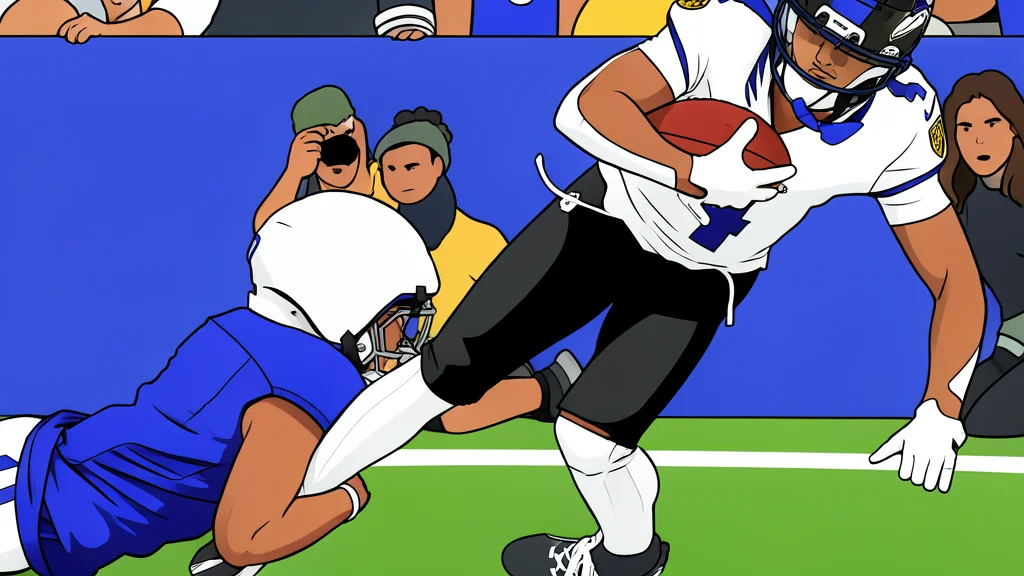
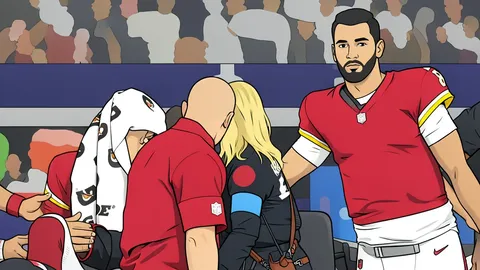
Colts cornerback Charvarius Ward added a soft shell over his helmet in Week 1, citing past concussions and a desire to extend his career.
Key points
- Charvarius Ward wore a Guardian Cap over his helmet in Week 1 to reduce impact force.
- The former Chiefs safety suffered three concussions last year, leading to two IR stints.
- Guardian Caps became legal for NFL games in 2024, with about 20 players using them last season.
The turf crunched under cleats, and the air hummed with the static of a live broadcast. Charvarius Ward stood on the sideline, his silhouette distinct against the gray sky. A bulky, rounded shape crowned his head, a soft padding that swallowed the hard lines of his standard gear. It was not a helmet, but a shell wrapped around one, a Guardian Cap that softened the visual impact of the sport’s violence.
Ward is not alone in this choice, but his motivation is deeply personal. He has carried the weight of repeated head injuries, a history that forced him to the injured list twice last season. Now, at thirty, the former Super Bowl champion makes a quiet declaration: he intends to protect his future by changing how he meets the present. The cap is a buffer, a physical reminder that the game is dangerous, yet he is choosing to stay in it.
A Soft Barrier Against Hard Impacts
The Guardian Cap is a sleek, protective layer designed to sit over regulation NFL helmets. Its purpose is mechanical and vital: to dissipate the force of a collision before it reaches the skull and brain. For years, these devices were restricted to practice fields, a tool for conditioning and safety drills. Only last year did the league open the doors for game-day use, allowing players to deploy this extra cushion during the actual combat of the sport.
Ward’s Personal Calculation With Risk
After the final whistle, Ward’s assessment was blunt and unvarnished. He admitted to a headache, a lingering ache that spoke to the reality of the hit. He did not diagnose a concussion, but he acknowledged the toll. "Football's a dangerous game," he told reporters, his voice steady. "Whatever comes with it, comes with it." This is not a cry for mercy, but a statement of informed consent. He knows the cost of the position he plays, and he is paying it with added safety rather than withdrawal.
A Growing Trend Among Veterans
Ward joins a small but growing cohort of players who have embraced the cap. Last season, roughly twenty athletes used the device at some point, with wide receiver Romeo Doubs becoming a visible advocate. The trend signals a shift in how veterans view their bodies. They are no longer just enduring the hits; they are engineering their survival. For the Colts, Ward’s health is a strategic asset. A healthy secondary is a foundation, and his choice to wear the cap aligns his personal safety with the team’s competitive needs. As noted by Yahoo Sports, this decision reflects a broader evolution in player agency and health management within the league.