Baltimore’s 68,000 Fans Signal Rugby’s US Arrival
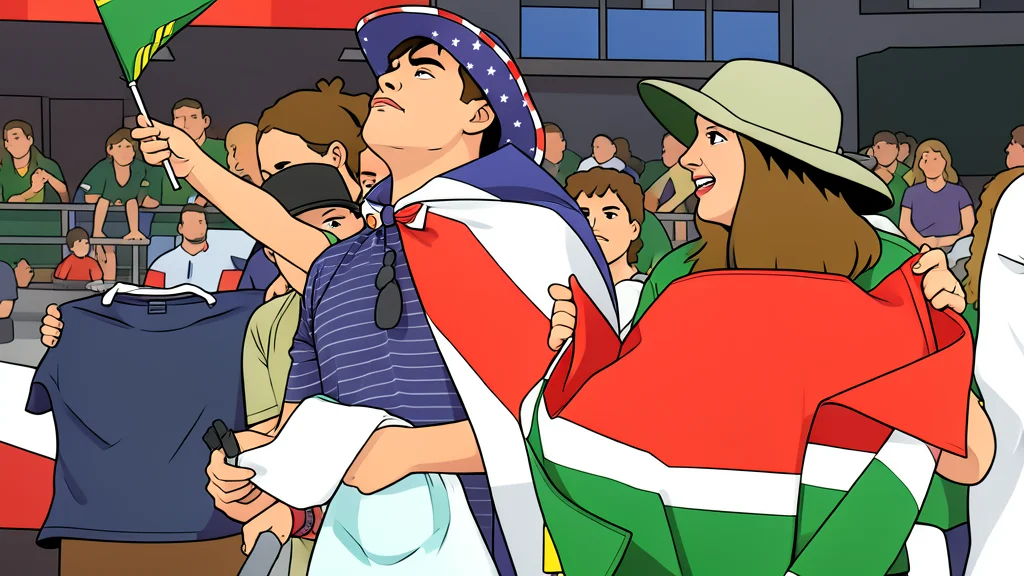
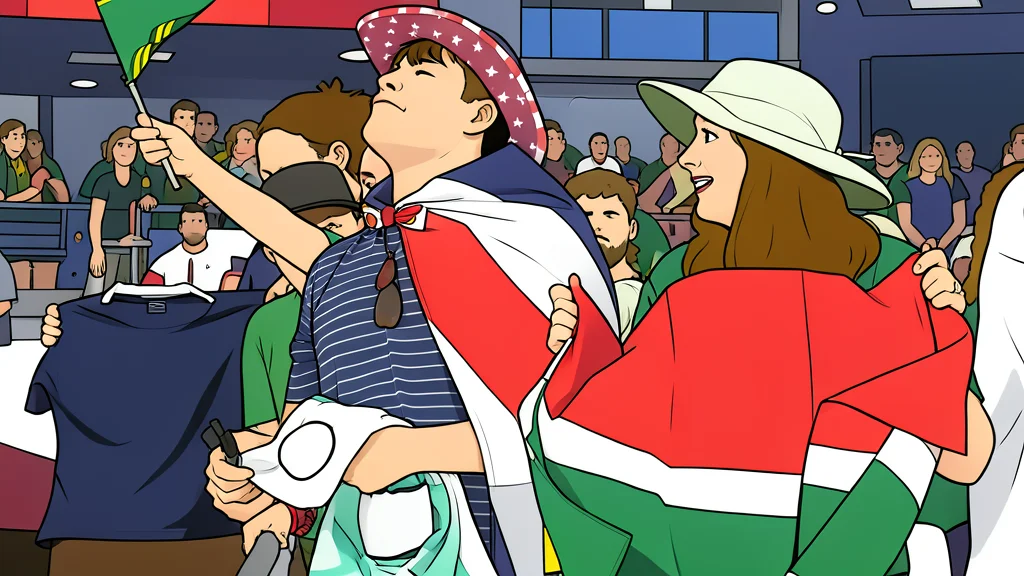
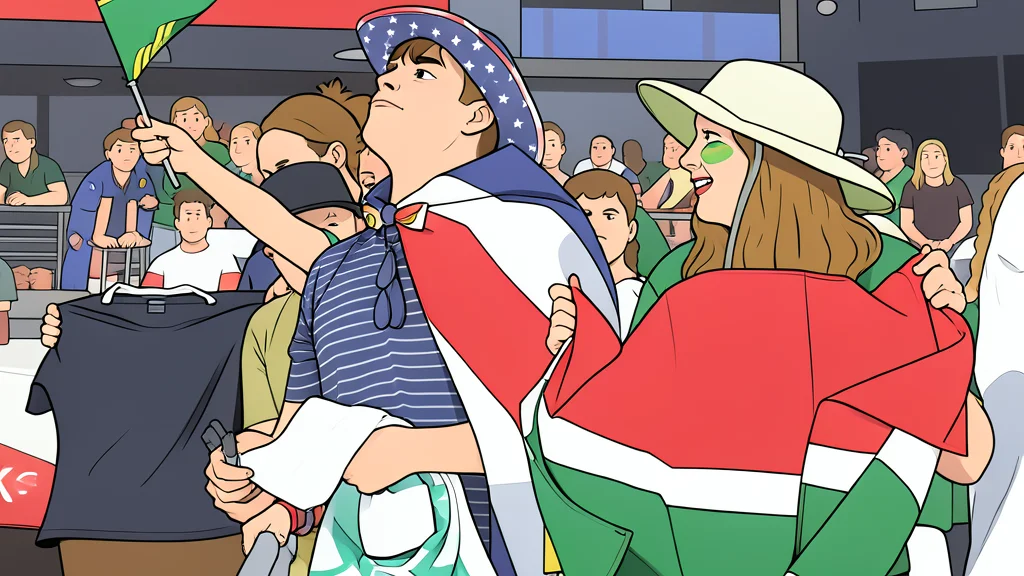
Under the clear sky, 68,173 spectators packed the stands, their green and black jerseys creating a sea of color that signaled a pivotal moment for the sport in America.
The air in Baltimore hummed with a physical intensity that few American stadiums have known for this particular code. Sixty-eight thousand, one hundred and seventy-three bodies pressed into the concrete bowl of M&T Stadium, creating a wall of sound that drowned out the rustle of grass. It was the largest crowd ever recorded for a rugby international in the United States, a tangible testament to a shifting cultural appetite. The stands were a mosaic of green, speckled with the black of New Zealand and the neutral hues of curious onlookers, all united by the thud of boots on turf and the roar of a crowd that had found a new rhythm.
This was not a quiet introduction. It was a declaration. The captains of South Africa and New Zealand stood at the center of this energy, recognizing that the spectacle before them was more than a single match. It was a preview, a taste of what the nation might crave when the 2031 World Cup arrives. The energy in the room was electric, charged with the anticipation of a sport trying to break into a market dominated by other codes, yet finding a foothold in the passion of American fans.
Captains See A Foundation
In the press conferences that followed, the voices of the two leaders carried a shared conviction. They spoke of a nation that loves its sports with a fanatical devotion, a trait that could be channeled toward rugby. The opportunity for Americans to witness the game in this scale was crucial, they argued, to whet the appetite for the tournament hosted in five years. The foundation is being laid, brick by brick, in stadiums like this one.
The sentiment was clear: the game is in a strong position to build momentum. The leaders emphasized that the current enthusiasm is a seed, one that requires careful nurturing and consistent exposure. The goal is not just to host a tournament, but to cultivate a lasting audience that will fill the stands for years to come, turning a fleeting interest into a permanent fixture in the American sporting landscape.
NFL Integration Proposals
One captain proposed a bold structural change, suggesting that American football teams might adopt rugby as an offseason option. He envisioned a scenario where NFL franchises become part-owners in rugby clubs, investing in the infrastructure and talent of the game. This cross-pollination of sports could provide a platform for players who do not see regular playing time in the NFL, giving them a second chance on the field.
The argument rests on the physical nature of rugby, a characteristic that aligns with the American love for contact sports. By integrating the two worlds, the sport could gain visibility and stability. It is a strategy that relies on hard work and strategic investment, but the potential reward is a deeply rooted fanbase that values the physicality and skill of the game.
A Market Foothold
Rugby has spent years attempting to crack the lucrative American market, often facing stiff resistance from established codes. However, the scene in Baltimore suggested a different trajectory. The crowd was not just present; they were engaged, enthusiastic, and invested. This level of participation hints at a viable foothold, a space where rugby can grow alongside baseball, basketball, and football.
As reported by GN sports/rugby, the event marked a significant milestone in the sport's history in the region. The combination of record attendance and high-profile leadership signals a shift in the balance of power within the American sporting arena. The game is no longer a distant curiosity; it is a growing force, with a clear path toward the 2031 World Cup.