Bonner Questions Celtic Character After Ibrox Collapse
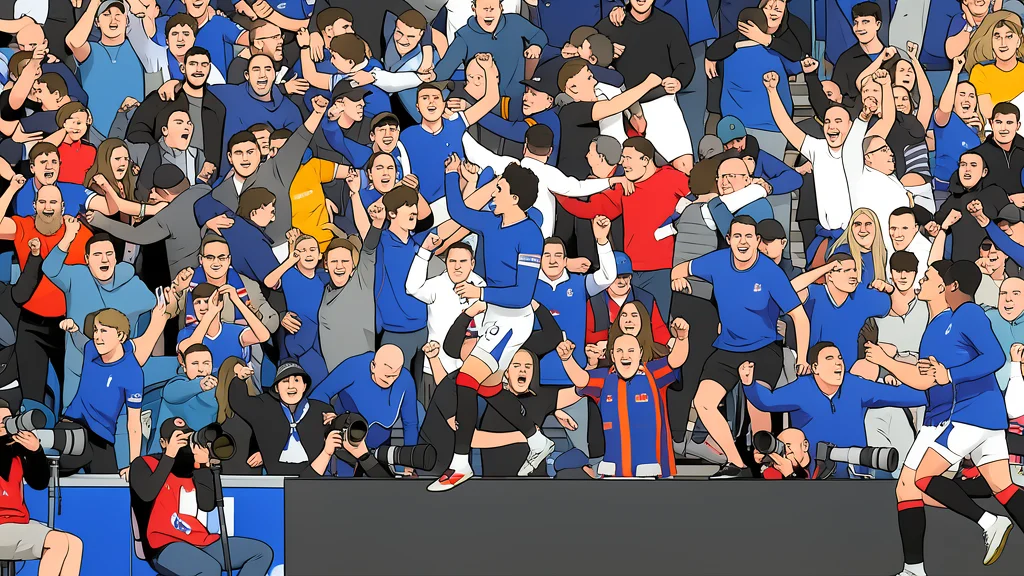
The silence at Ibrox was absolute after the final whistle, a heavy weight pressing down on the pitch where Celtic players stood motionless. The 3-0 defeat was not just a score; it was a verdict on their composure.
The air in Glasgow hung thick with the scent of cut grass and damp concrete, a sensory backdrop to a performance that felt less like football and more like a surrender. Rangers controlled the tempo with surgical precision, their boots striking the turf with a rhythmic confidence that contrasted sharply with the hesitancy of their opponents. Celtic, stripped of their home advantage, looked fragmented, their movements disjointed as they tried to parse a game that had slipped entirely from their grasp.
Martin O'Neill’s squad exited the Premier Sports Cup with their heads bowed, the harsh reality of their second-best status etched into every tired muscle. The dominance was total, a suffocating blanket that left no room for resistance. As the crowd’s boos faded into the grey Scottish sky, the question lingered in the empty spaces between the lines: did they have the heart to fight back, or did they simply wait for the clock to end their suffering?
Bonner Criticizes Team Mentality
Pat Bonner, a former goalkeeper who knows the weight of expectation, did not mince words on BBC Sportsound. His shock was twofold, first at the brilliance of Rangers, but far more at the collapse of Celtic. He pointed to a deficit in character, a lack of the raw, defiant spirit needed to survive in such a hostile environment. For Bonner, the issue was not tactical but psychological, a failure to take responsibility when the pressure rose.
He singled out the forwards, the expensive signings meant to break lines, describing their day as awful. In the absence of their own supporters’ roar, the players seemed to lose their anchor, drifting in a void of uncertainty. It is a brutal reminder that talent alone cannot bridge the gap when the mental fortitude cracks under the weight of a historic rivalry.
Sutton Accuses Team of Bullying
Chris Sutton, another voice from the club’s storied past, used sharper language, accusing Celtic of being bullied on the pitch. The imagery is vivid: a team overwhelmed, pushed into the shadows, unable to find the rhythm to breathe. It paints a picture of dominance so complete that it feels like an erasure of identity. The green and white stripes, usually a symbol of pride, looked pale and washed out under the stadium lights.
The conversation surrounding the match, as reported by Yahoo Sports, has shifted from tactical analysis to a deeper scrutiny of the players' resolve. It is a debate that cuts to the core of what it means to represent Celtic, a club that has historically thrived in the most intense atmospheres. The silence of the aftermath is louder than any critique, a void that the management and players must now fill with action, not just words.
A Harsh Reality for Rangers
For Rangers, the victory was a statement of intent, a declaration that they are ready to reclaim their place at the top. Their play was fluid, their passing crisp, a stark contrast to the chaotic struggles of their rivals. The stadium, usually a fortress for Celtic, became a stage for Rangers’ triumph, the white lines on the green pitch marking the boundaries of their success.
The grey sky overhead seemed to mirror the mood of the losing side, heavy and unyielding. As the players walked off the field, the echoes of the match lingered in the air, a reminder that in football, character is often more valuable than skill. The next chapter will be written in the training grounds, where the true test of their resolve will begin.