Carrick Takes Heat as United Face £155m Midfield Scrutiny
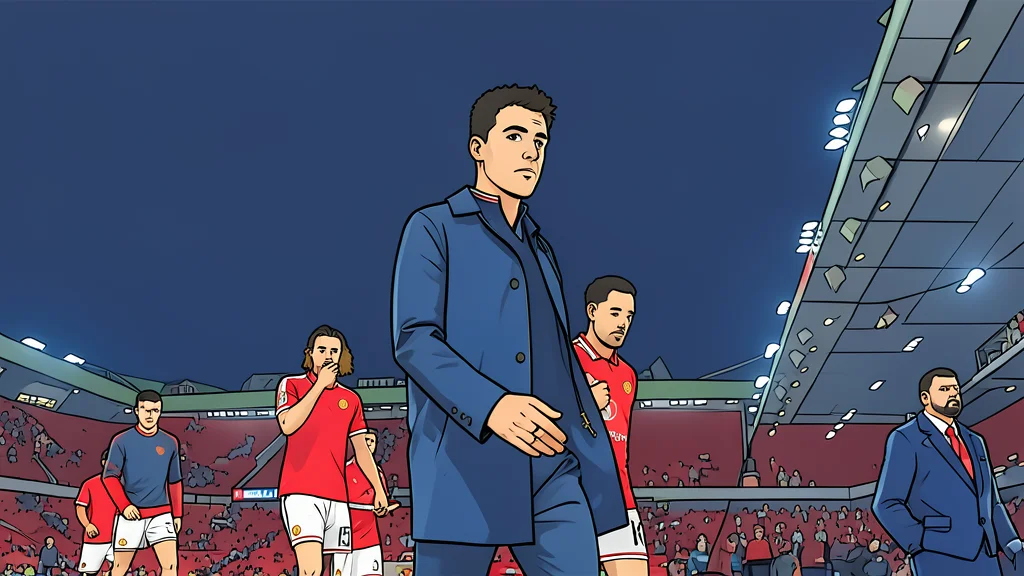
Manchester United's cup exit exposes deep structural flaws, with fans directing blame at both the coach and the board's recruitment strategy.
Key points
- Manchester United spent £155m on three midfielders this summer, a strategy now criticized for neglecting other positions.
- Jason Wilcox, director of football, has remained silent during the team's recent slump, contrasting with his previous openness.
- Supporters directed boos and apathy at both Michael Carrick and the board, reflecting frustration with long-term mismanagement.
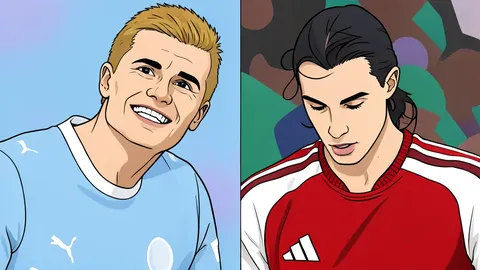
The air in Old Trafford’s stands hung heavy with a mixture of boos and cold indifference. Manchester United slumped out of the Carabao Cup on Wednesday, their latest domestic cup exit marked by a silence that felt louder than any jeer. Michael Carrick stood solemn, absorbing the criticism that was aimed squarely at him and his players, while Jason Wilcox, the director of football, watched with a grim expression before leaving the directors' box.
The fans knew where to direct their frustration. The boos were for the immediate performance, but the apathy was a verdict on the bigger picture. United supporters are well aware of the hierarchy above the head coach, regularly protesting against the Glazer family and Sir Jim Ratcliffe. They understand that ninety minutes of football does not erase years of financial mismanagement, even as the club returns to the Champions League.
Recruitment Strategy Under Fire
The summer transfer window saw £155m spent on three midfielders, a move now viewed as naive. While the exit of Casemiro and the struggles of Manuel Ugarte made central midfield a logical target, the neglect of other positions, particularly the left-back shortage, has left the squad unbalanced. Critics argue that sourcing a cheaper option than the £50m signing of Andrey Santos could have better served the team's overall health.
Brighton’s approach offers a stark contrast. The Seagulls signed players from clubs in seven countries, demonstrating a dynamism and calculated risk-taking rarely seen at Old Trafford. United, by contrast, made four acquisitions from fellow Premier League clubs, a strategy often criticized for being cost-ineffective. The most successful deal last summer was Senne Lammens from Royal Antwerp, a bargain that highlights the inefficiency of recent spending.
Wilcox's Silence Amidst Crisis
Jason Wilcox has been notably quiet during the downturn. After three consecutive wins in October 2025, he discussed the long-term plan with United’s editorial staff, only for the strategy to be derailed by the sacking of Ruben Amorim two months later. In Europe, sporting directors routinely address the press, but in the Premier League, such transparency is rare, and Wilcox shows little appetite to speak while the team sits 13th in the table.
Carrick's Immediate Pressures
Carrick faces immediate tactical hurdles, with Luke Shaw's injury forcing him to improvise a plan B. The full impact of the summer signings cannot be assessed until Carlos Baleba is available, as his attributes are expected to solve the team's lack of mobility. Until then, the pressure on the head coach remains intense, especially with a loss at Fulham looming on Sunday.
The situation is a reminder that the head coach is often viewed as accountable for everything, from tactics to transfers. Yet, the reality is more complex. Carrick is the face of the club, the one sent to promote sponsors and speak to journalists, but the structural issues run deeper. As Guardian Football notes, the fans' reaction is a rapid opinion to those whose wages they deem they pay, holding both the coach and the hierarchy responsible for the club's current trajectory.