Farkas Brothers Return to Anfield, Closing a Century-Long Gap
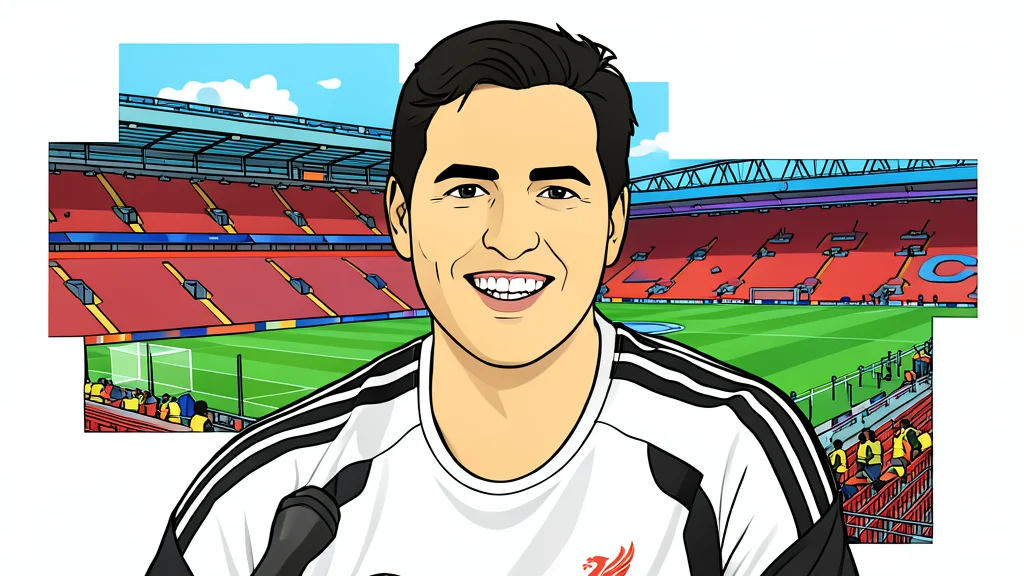
The midfield void at Anfield finally narrows as Patrik Farkas returns, joining his brother Erik in a historic reunion that echoes a century-old lineage.
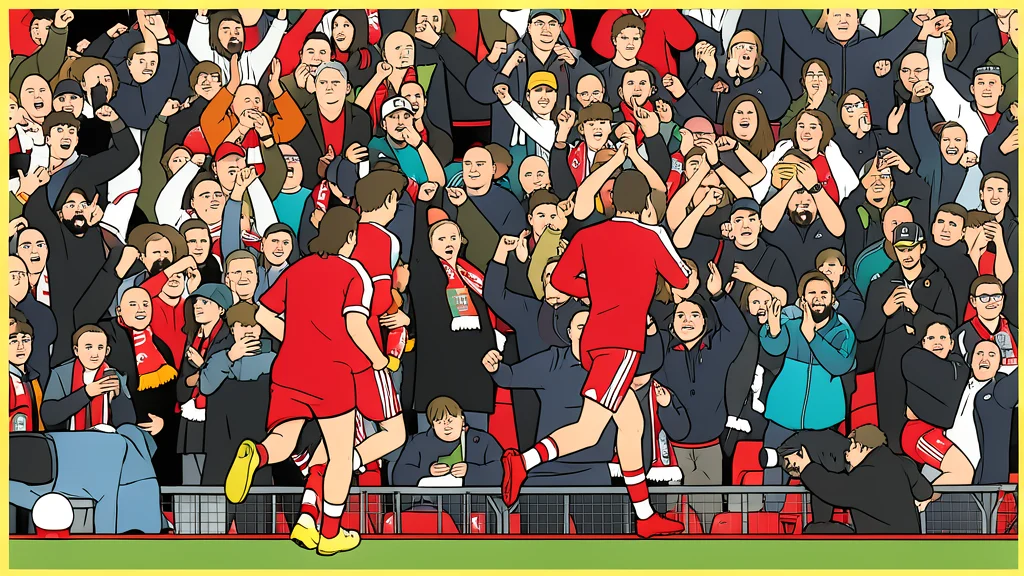
The green expanse of Anfield holds its breath, the grass still damp with the weight of recent uncertainty. In the shadows of the dugout, Andoni Iraola scans the midfield, a zone that has felt porous and fragile under the current setup. The air is thick with the scent of wet turf and the quiet tension of a system searching for balance. It is here, in this central pocket of the pitch, that the narrative shifts from frustration to a quiet, definitive resolution. The silence breaks not with a roar, but with a confirmation that ripples through the club’s history.
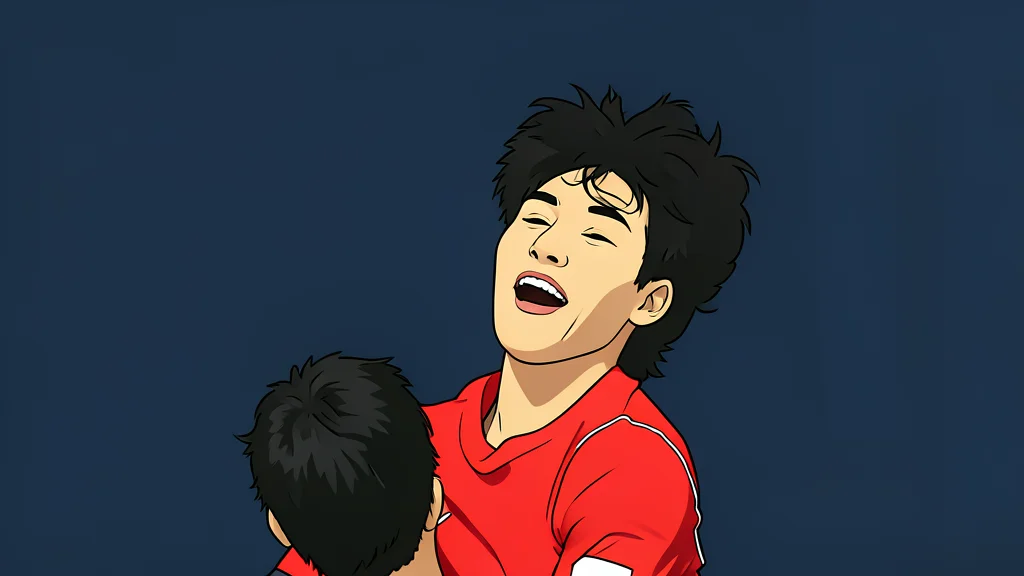
Patrik Farkas has returned. The move was confirmed on the club’s official website, a quiet announcement that lands with the force of a thunderclap. He is not a stranger to these grounds, having left at sixteen to join Blackburn, yet his return carries the gravity of a homecoming. Alongside him stands his brother, Erik, already deep in the U18 ranks, waiting to sign a professional contract. Together, they form a duo that has not been seen at Liverpool for over a hundred years, a lineage stretching back to the Miller and Scott brothers of the 1910s.
The Midfield Gap Demands Urgent Attention
The current midfield structure presents a tactical puzzle that defies simple resolution. Dominik Szoboszlai and Ryan Gravenberch possess the flair to carry the ball forward, their touches light and quick, yet they lack the defensive grit to win possession back in hostile territory. Playing them together in a double pivot creates a vacuum, a space where opponents can easily thread the needle. The transition from defense to attack feels sluggish, the engine sputtering under the pressure of high-intensity play. Iraola needs players who can receive the ball in tight spaces and move it on instantly, a rhythm that the current lineup struggles to maintain.
Alexis Mac Allister offers a different profile, his intensity and positional discipline fitting the system’s demands more closely. Trey Nyoni brings a sharpness on the ball that suggests future potential, but the club seeks a more immediate solution. The transfer market, though closed for most, offered a final, quiet opportunity. The need for an intense ball-winner who can also build attacks from deep was clear, a role that required both physical presence and technical precision. The search for this specific profile drove the club’s final moves in the window, a strategic pivot to address the structural weaknesses that had plagued the team.
A Century-Old Bond Resurfaces on the Pitch
The Farkas brothers’ arrival is more than a tactical adjustment; it is a moment of historical resonance. The last time two brothers represented the Reds, the world was in a different era, the 1910s and early 1920s, when John and Tom Miller, followed by Elisha and Billy Scott, wore the shirt. That gap of over a century had turned such a pairing into a rarity, a footnote in the club’s extensive archives. Now, the Farkas name is inscribed alongside those legends, a modern echo of a past tradition. The bond between the two is palpable, a shared understanding of the game that transcends individual skill.
Erik’s presence in the U18 side signals a long-term investment, a pipeline of talent that feeds directly into the first team. Patrik’s return, as a free agent, offers immediate depth and experience, a bridge between the youth academy and the senior squad. This dual approach strengthens the club’s internal structure, reducing reliance on external signings and fostering a sense of continuity. The history books are updated, the ink still wet, as the Farkas brothers step onto the pitch, their footsteps marking a new chapter in Liverpool’s storied past.
Strategic Depth Enhances Squad Versatility
With the transfer window now shut, the club must rely on the resources it has secured. The addition of Patrik Farkas provides Iraola with a crucial option in the midfield, a player who can adapt to various roles and intensities. This flexibility is vital for a team that faces diverse opponents in the Premier League and European competitions. The ability to rotate and adjust the midfield composition without losing cohesion is a significant tactical advantage. It allows the manager to tailor the team’s shape to the specific demands of each match, ensuring that the midfield remains a source of strength rather than a point of weakness.
The presence of the Farkas brothers also adds a layer of psychological depth to the squad. Their shared history and mutual support can boost team morale, creating a sense of unity and purpose. In a league where mental resilience is as important as physical ability, this intangible quality can be the difference between victory and defeat. As the season progresses, the impact of this historic signing will be felt not just in the stats, but in the spirit of the team. The story of the Farkas brothers is one of return, of legacy, and of the enduring power of family in the world of football.