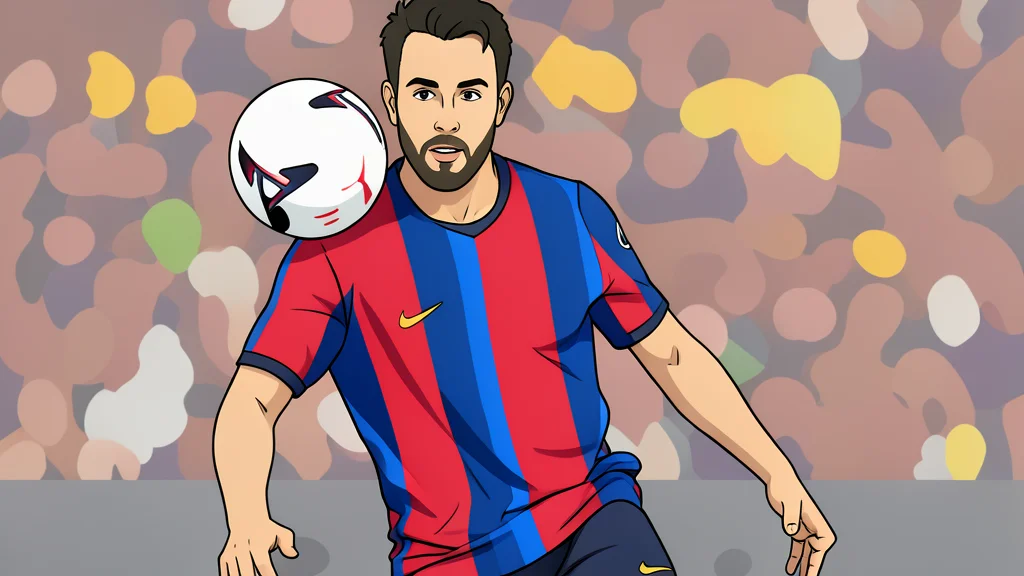
Iliman Ndiaye Turns Rejection into Elite Dribbling Mastery

Rejected by England's top academies for being too small, Iliman Ndiaye now commands Manchester City's pitch with a unique, dance-inspired flair that defends against tactical rigidity.
The ball moves in fluid arcs, bending around defenders who reach for air. Iliman Ndiaye glides through the chaos, his body swerving with a rhythm that feels less like sport and more like choreography. This is not the sterile, calculated possession that defined the previous era at Manchester City. It is raw, instinctive movement, a style that thrives in the gaps where traditional tactics fail to breathe.
For years, scouts turned their backs. They saw a frame too slight, a stature too small to survive the physical grind of English football. Clubs from Chelsea to Crystal Palace offered polite refusals, or blunt rejections, convinced he lacked the physical build for the professional stage. Ndiaye absorbed those blows in quiet cages and on uneven pitches, refining a skill set that no tactical board could map.
Dance Roots Shape Elite Movement
The source of this unpredictability is not a coaching manual, but a father who was a trained dancer and choreographer. Ndiaye credits him for translating the smooth, isolating movements of dance onto the pitch. Stepovers are not just tricks; they are extensions of a body that knows how to shift weight and direction with artistic precision.
This background allows Ndiaye to dismantle lines of defense in one-on-one situations. He does not rely on spectacle for its own sake. Instead, he pursues pure effectiveness with style, a pragmatic approach to street football that values control and flow over flashy acrobatics. His ability to isolate defenders stems from this deep, physical understanding of space and timing.
Tactical Fit Under Maresca
Under Enzo Maresca, Ndiaye’s profile shifts from a liability to a key asset. The Italian coach values structured possession but deliberately seeks players with isolation qualities. Against deep-lying defenses that clog the midfield, Ndiaye’s unpredictability becomes the unlock. He is no longer a risk to be managed, but a weapon deployed to break down shut-down spaces.
This marks a stark departure from the previous regime, where rigid discipline often stifled instinctive play. Ndiaye’s freedom to improvise and break out of fixed zones aligns with a new tactical philosophy that embraces individual brilliance as a tactical necessity. His presence adds a dimension of chaos that structured systems alone cannot generate.
Forged in Rejection and Resilience
The road to this stage was paved with dismissal. Growing up with seven sisters and one brother, Ndiaye learned to stand his ground against doubters. Scouts told his father directly that he would never become a professional. Those words did not break him; they sharpened his focus. He channeled the rejection into relentless practice, working on his skills in the metal cages of London and the dusty pitches of Dakar.
His advice to young talents is simple: do not focus on the rejection. Luck will eventually come through. For Ndiaye, that luck was born from years of invisible work, from training with YouTube teams when he had no club, and from a family that kept him on course. The elegance he now displays for Manchester City is not a gift; it is a survival mechanism, refined into art.