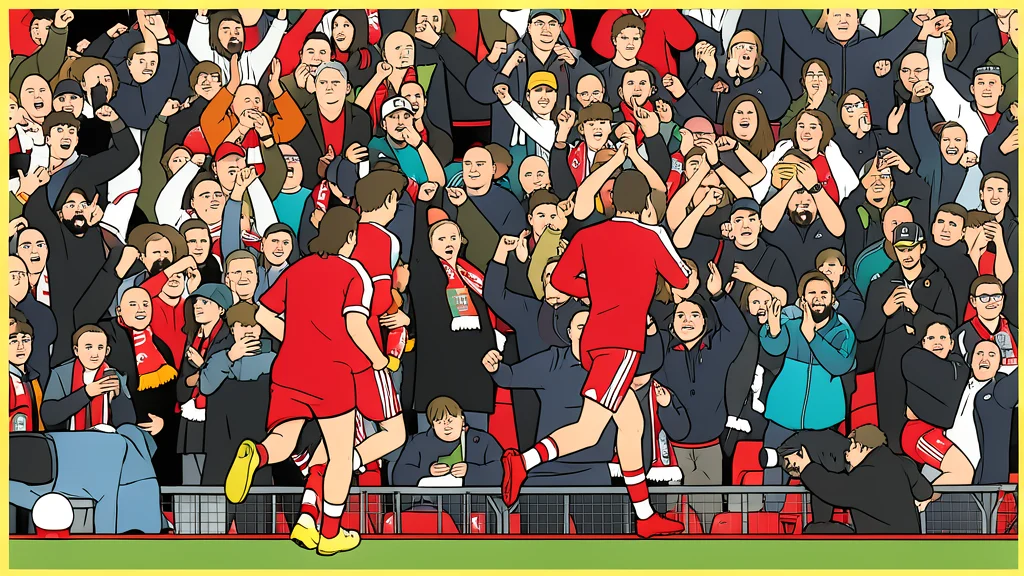
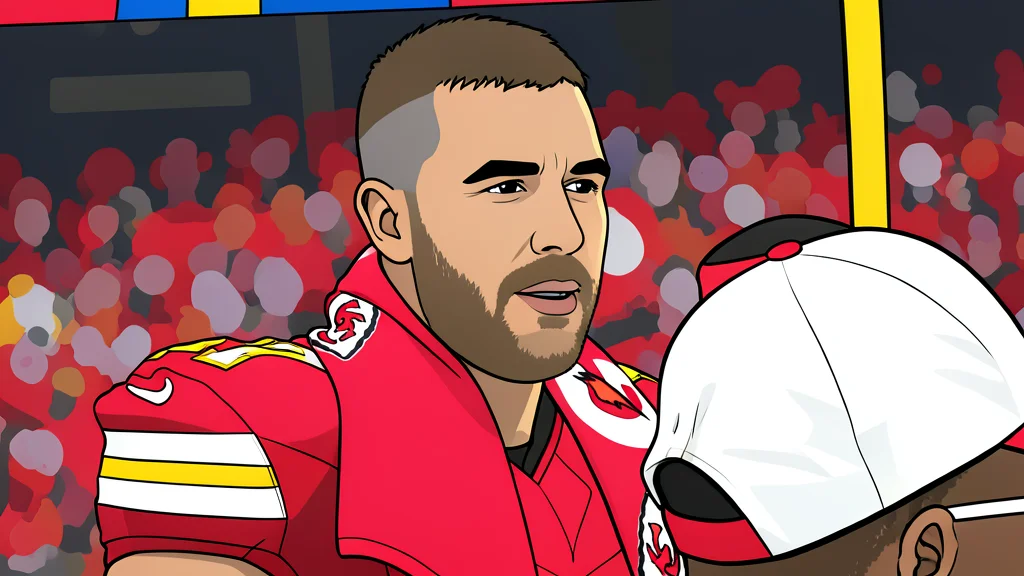
Manchester United Thrives in the Counter-Attack
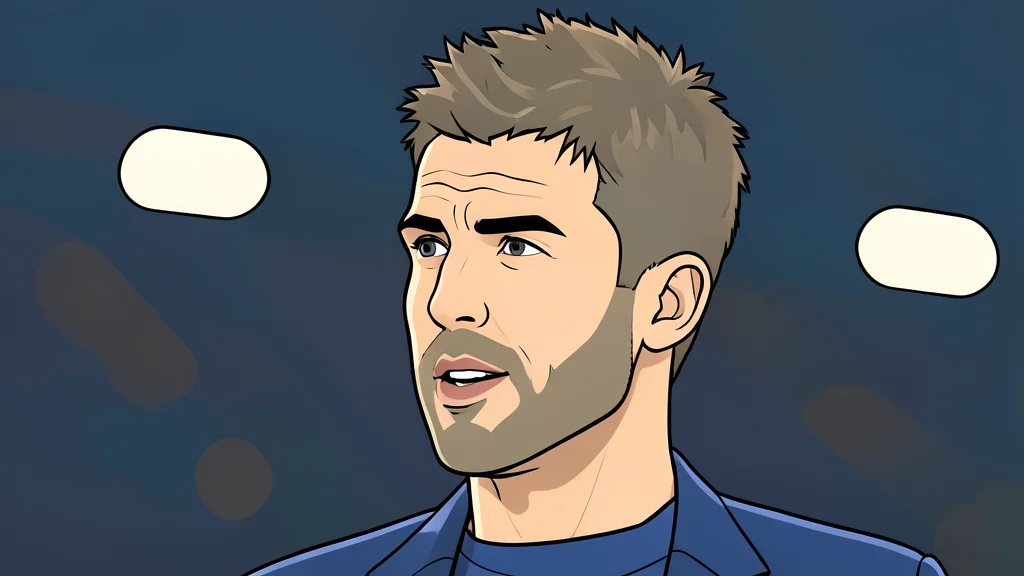
Under Michael Carrick, Manchester United’s statistical performance inverts when they relinquish control of the ball, revealing a tactical paradox that defines their current era.
The pitch is a green expanse where geometry dictates fate. Under Michael Carrick, Manchester United average 1.5 points per game when holding more than half the ball. When they possess less than 50%, that figure surges to 2.6. The metric is stark, a numerical chasm that opens between control and chaos.
Drop possession further, to 45% or below, and the pattern hardens into a trend. United have won ten of their last ten matches in this bracket. It is a staggering correlation that places the Englishman at a familiar crossroads, one previously navigated by Ole Gunnar Solskjaer. How does a side built for speed find the key to locked-down defenses?
Man City Manager Sees The Shift
A red card reduced United to ten men in a 1-0 derby defeat, a far-from-ideal scenario. Yet Enzo Maresca, manager of Manchester City, offered a different lens at full-time. He noted that the game changed completely, benefiting the opposition's love for transitions and space behind the lines.
Maresca observed that by dropping deeper, they eliminated the space behind, making the game more difficult for United. This analysis captures the essence of the team this year. The club’s identity, often debated as 'United DNA,' remains central to internal and external conversations. Coaches have either leaned into these roots or failed to move away from them.
Carrick echoed the sentiment of Sir Alex Ferguson, who stated in 2017 that there is a duty to entertain the public. Excitement is non-negotiable. Fans and players resonate with a United that creates spectacles, seeking dynamic, direct, and open games to remain connected to a recognizable identity. Solskjaer’s side embodied this before Ruben Amorim pursued a more choreographed, risk-averse style. Carrick reversed that trajectory.
Squad Strengths Match Direct Play
The messaging around Carrick’s style emphasizes proactivity and directness. It is no surprise that United look better with space to attack, a condition more frequent when they have less of the ball. The squad’s strengths align with this approach. Goalkeeper Senne Lammens is a proficient long kicker, while defenders Harry Maguire and Lisandro Martinez offer punchy, progressive passing from deep.
In attack, Marcus Rashford runs willingly into behind, often moving into striker positions despite starting on the wing. Bryan Mbeumo shares this trait. Bruno Fernandes, central to the operation, is a strong passer in transition, finding runners ahead of him. He broke the Premier League assist record last term in this role. Carrick has granted certain players freedom to make their own decisions on the pitch.
Carrick stated in April that giving Bruno the platform to perform has helped, noting a structure designed to bring out the best in everyone. While players may enjoy this responsibility, the team’s play can be swayed by individual tendencies. With risk-taking, direct passers in the side, the habits formed over time can lead to losing the ball more often when asked to disorganize stubborn defenses.
Breaking Down The Low Block
Tactical questions require answers. When dominating the ball, breaking down a team requires strong one-on-one skills and structured passing. The current setup excels in the opposite scenario, utilizing the vertical speed of Rashford and Mbeumo. The data from Yahoo Sports highlights this divergence, showing that the most effective United team is the one that chases rather than holds. The paradox remains: control is less valuable than the space it cedes.