Maresca’s Tactic Exposed Manchester United’s Structural Flaw
A single red card reshaped the geometry of the match, turning a transitional game into a war of attrition that Manchester United could not win.
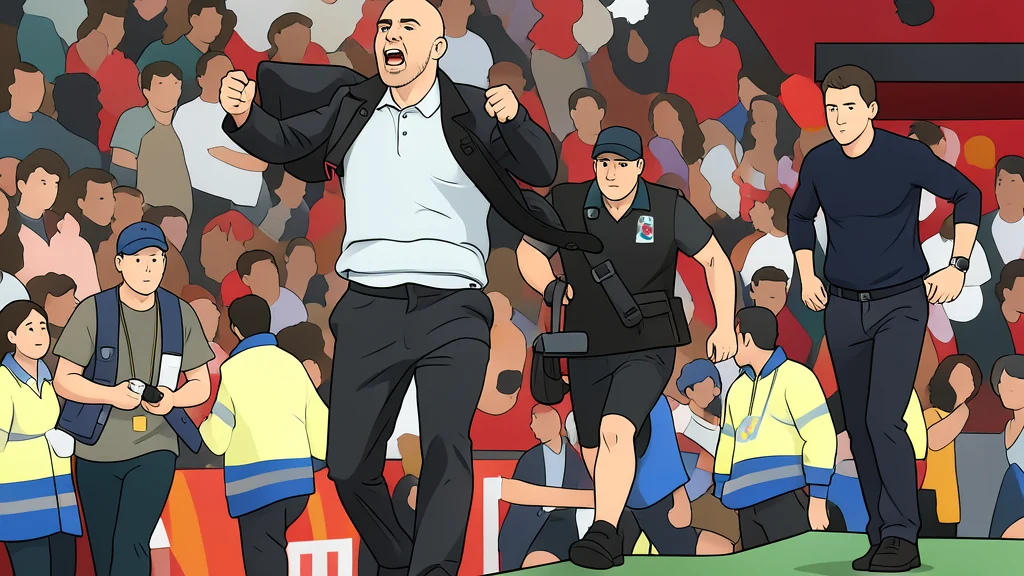
The air at Old Trafford thickened in the twenty-third minute. Phil Foden’s boot connected with Bruno Fernandes’ shin, a violent upkick that sent the Portuguese midfielder stumbling. The referee’s arm rose, the red card flashed, and the balance of the match snapped in half. For the next sixty minutes, Manchester City managed the game with ten men against eleven, a tactical tightrope walk that defied convention. United controlled the ball, pressed high, and dominated possession, yet the net remained untouched. The silence of the crowd grew heavier with every minute, a palpable tension that hung over the pitch like fog.
Enzo Maresca later described the shift as a complete transformation of the game’s DNA. By dropping deep and compressing the space, City neutralized United’s primary weapon. The Red Devils, accustomed to running into pockets of space behind the defense, found their lanes blocked. They circled the penalty box, passing the ball from foot to foot, but lacked the final cut. The result was a sterile draw punctuated by a contentious goal from Erling Haaland, a strike that many believed should have been disallowed for offside. United left with nothing to show for their numerical superiority, a failure that echoed their struggles against low blocks earlier in the season.
Ten Men Against Eleven
Maresca’s strategy was deceptively simple. After losing Foden, the City manager instructed his team to retreat and wait.
The Italian coach explained that his side thrives on transition, seeking the gaps in behind defensive lines. With only ten players, those gaps disappeared.
By parking the bus, City denied United the space they craved.
A Pattern of Stagnation
This was not an isolated incident. Manchester United’s inability to break down compact defenses was already visible in their opening day performance against Hull City.
Against the Tigers, United struggled to create meaningful chances, relying on set pieces that often failed to deliver.
The pattern is clear: when opponents sit deep, United’s attack stalls.
The Tactical Risk Ahead
Maresca’s public acknowledgment of this weakness serves as a warning to the rest of the league.