O'Neill Concedes Squad Gap Ahead of Glasgow Derby
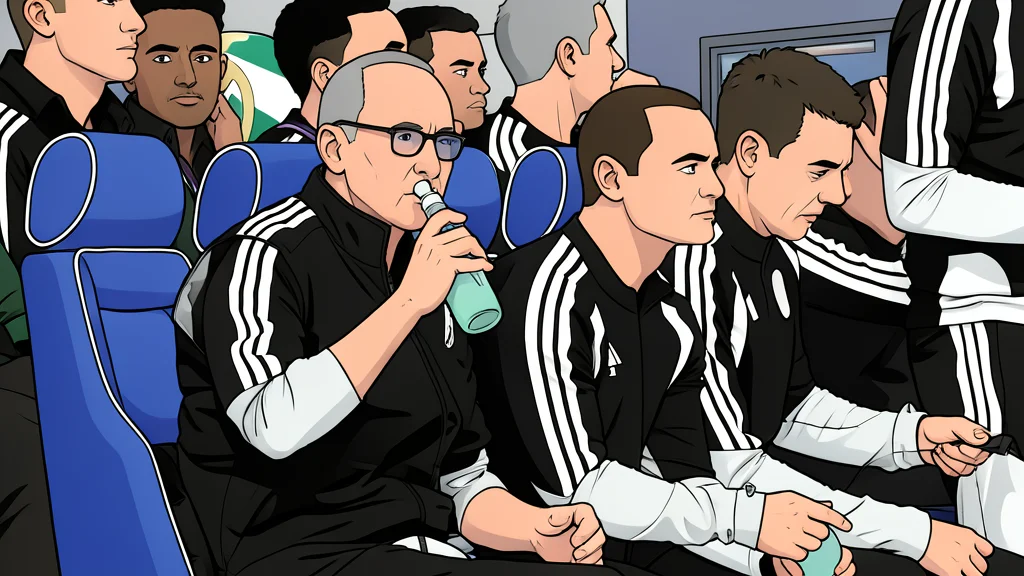
The air at Celtic Park is thick with expectation and unease. Martin O'Neill stands on the touchline, the green grass stretching out before him, a canvas for the upcoming clash against Rangers. The silence is heavy, broken only by the distant hum of the crowd.
The turf at Celtic Park feels heavier this week. Two defeats have stripped the momentum from the team, leaving a raw edge to the atmosphere. The 3-0 loss at Ibrox still stings, a knockout blow that ended the League Cup run. Then came the 3-1 home defeat to Ferencvaros, a reminder that the vulnerability is not isolated to one opponent. Now, the Rangers arrive, their confidence sharpened by that recent victory. They come to Parkhead not as underdogs, but as a threat that has already proven it can bleed the hosts dry.
Fingers point in multiple directions. The board is under scrutiny for allowing the squad to thin out during the summer window. Players are questioned for failing to protect a 4-0 aggregate lead against LASK. The coaching staff faces its own share of doubt. But it is O'Neill’s voice that cuts through the noise. He has stopped hiding behind diplomatic platitudes. He has spoken plainly about the missing pieces, specifically the void left by Arne Engels. It is an admission that lands with a quiet, resonant thud.
Admitting the Missing Engine
O'Neill does not mince words about the transfer failure. He acknowledges that the club sought a like-for-like replacement for Engels, a player known for his relentless running power. The search covered a wide net, with names like Gvidas Gineitis floating around the club’s radar for weeks. Yet, none of those moves materialized. The window closed without the desired impact. The manager admits this was a loss, a tangible gap in the team’s physical engine. He describes the ideal scenario, one where that specific energy and drive remained in the squad. Instead, they are chasing a ghost, trying to fill a shape that is no longer there.
The alternative, Oliver Sorensen, arrived on loan from Parma. He is a promising talent, but he has not yet convinced the skeptics that he is the answer. The midfield feels a step off, lacking that explosive transition that Engels provided. This is not just a tactical issue; it is a structural one. The team has lost its rhythm. The players are running, but they are not running with the same purpose. The gap is visible in the spaces between the lines, a hole that the current personnel are struggling to plug.
Confidence Wavers in the Stands
The Rangers enter this match with their heads high. Derek McInnes’ side has tasted success recently, and that victory at Celtic Park has changed the dynamic of the rivalry. They are no longer the team that needs to prove itself; they are the team that has already done so. This shift in momentum is palpable. The Celtic fans, usually a roaring wall of noise, feel a different kind of tension. It is not anger, exactly, but a deep-seated worry. They know their team is fragile. They know the next goal conceded could be fatal.
The board’s role in this fragility is increasingly difficult to ignore. The failure to secure a Champions League spot altered the transfer plans significantly. Targets shifted, budgets were recalibrated, and opportunities were missed. The playoff tie against LASK exposed these weaknesses, with the team unable to hold onto a massive lead. Was it a player error? Perhaps. But it was also a resource error. The squad was too thin, too stretched. The board had to navigate a complex financial and sporting landscape, and in doing so, they left the team exposed.
A Manager’s Honest Reckoning
O'Neill’s willingness to speak openly is a rare commodity in modern football. He could have blamed the players, the referees, or the luck of the draw. Instead, he points to the structural failure. He admits that the club failed to bring in the right player at the right time. This honesty is a double-edged sword. It damages the club’s image in the short term, but it builds trust in the long term. Fans respect a manager who tells them the truth, even when it is painful. It shows that he is not hiding behind the crest.
As reported by Yahoo Sports, this admission marks a turning point. It is a clear signal that the era of excuses is over. The team must now perform, or else. The Glasgow Derby is not just a match; it is a test. A test of character, of resilience, and of the ability to overcome a significant deficit. The ball will be kicked, the lines will be drawn, and the truth will be revealed on the pitch. There will be no hiding places, no diplomatic language. Just the raw, unfiltered reality of two teams fighting for pride and points.