Silence on the Stretford End: United Fans Stage Stark Protest
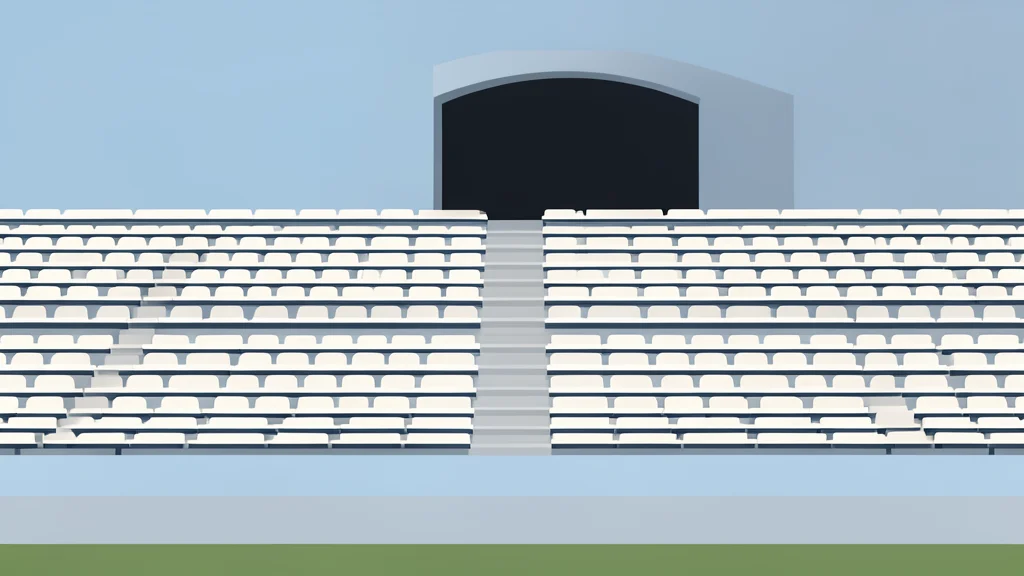
The familiar sea of red flags is gone. In its place, a single, heavy banner hangs above the tunnel, carrying a message that cuts through the pre-match noise like a cold wind.
The air in the Stretford End does not hum with the usual electric chatter. Instead, a heavy stillness settles over the concrete tiers, broken only by the rhythmic thud of boots on the tunnel steps. Where a kaleidoscope of scarves and flags typically dances in the breeze, there is now a void. A vast, rectangular canvas stretches across the upper stands, stark white against the dark blue of the away end and the green of the pitch. It is a deliberate erasure, a visual silence that speaks louder than any chant. The absence of the familiar fabric creates a vacuum, drawing every eye upward to the single, unyielding statement suspended above the players' entrance.
This is not a spontaneous outburst. It is a calculated strike. The Red Army, one of the most prominent fan organizations, has orchestrated this removal to force a confrontation with the club’s leadership. The banner reads: "THE WAY YOU TREAT US IS A DISGRACE." The words are blunt, devoid of irony, hanging heavy in the air. They serve as a direct response to the recent crackdown on ticket touting, a sweeping investigation that saw 685 supporters stripped of their season tickets and hundreds more sanctioned. For the fans, this was not a purge of scalpers, but a bludgeon swung at the innocent, shattering the trust that has historically bound the match-going community to the badge.
The Weight of Recent Sanctions
The investigation identified 1,617 accounts with "unusual activity," a label that felt like a noose tightening around the entire fanbase. While 468 cases were resolved after supporters provided evidence of their loyalty, the damage was done. The process was opaque, the communication cold, and the consequences severe. Many regular match-goers found themselves suddenly excluded, their years of loyalty rendered invisible by algorithms and bureaucratic suspicion. This episode did not just remove tickets; it removed a sense of belonging. It fed a growing mistrust, a suspicion that the club’s hierarchy views its most dedicated supporters not as partners, but as potential liabilities to be managed.
The banner is not a message from a single faction. It is a collective scream. The Red Army explicitly framed it as a cry on behalf of every genuine fan group, every supporters' club, and every match-going supporter who has been negatively impacted. It is an "honest, heartfelt cry for recognition" from a community that has watched its culture erode. The message is a demand for accountability, a refusal to let the club’s management hide behind the veil of commercial efficiency. It is a physical manifestation of the anger that has been simmering in the stands for weeks.
Scrutiny of New Ownership
While the Glazer family has long been a target of fan discontent, the spotlight is now firmly on Sir Jim Ratcliffe. The influential minority shareholder faces mounting criticism from the match-going crowd. The introduction of higher ticket prices without prior consultation has stung. Worse still, the removal of supporters from the lower south stand to make room for corporate hospitality has felt like a direct assault on the soul of the stadium. It is a physical displacement, a reminder that the space they have filled for generations is being carved out for those who can afford to buy their way in.
The Red Army sees this as part of a wider, league-wide threat to traditional fan culture. They are not just fighting for United; they are fighting for the concept of the supporter as a stakeholder, not a customer. They demand that match-going supporters be prioritized in the club’s fan-engagement structure. They call for a review of the Fans' Forum, demanding dedicated representatives who can communicate regularly with the base and press their concerns inside the boardroom. Without this voice, they warn, the little that remains of the fan culture will vanish forever, replaced by a sterile, corporate environment.
Support Amidst the Protest
Yet, the protest is not a withdrawal of support. The Red Army has made it clear that they will continue to back the team and the manager during the derby. This is a crucial distinction. They are not abandoning the club; they are demanding that the club change. The banner is a warning, not a farewell. It is a chance for the hierarchy to listen, to acknowledge the pain, and to restore the trust that has been broken. The silence of the Stretford End is not empty; it is full of expectation. It is a demand for a future where the fans are not just spectators, but partners in the club’s journey.
As the teams emerge from the tunnel, they will walk beneath the banner. They will see the words. They will see the empty space where the flags should be. The message will be impossible to ignore. It is a stark reminder that the love in the stands is not unconditional; it is earned, and it is fragile. The derby is more than a match; it is a referendum on the relationship between the club and its people. The outcome will not be decided on the pitch alone, but in the hearts of those who fill the seats, waiting to see if their voice has finally been heard. As reported by Yahoo Sports, this display is a turning point, a moment where the fans have stopped shouting and started speaking, and the silence is deafening.