Alfie Hewett Reclaims Throne in Flushing Meadows

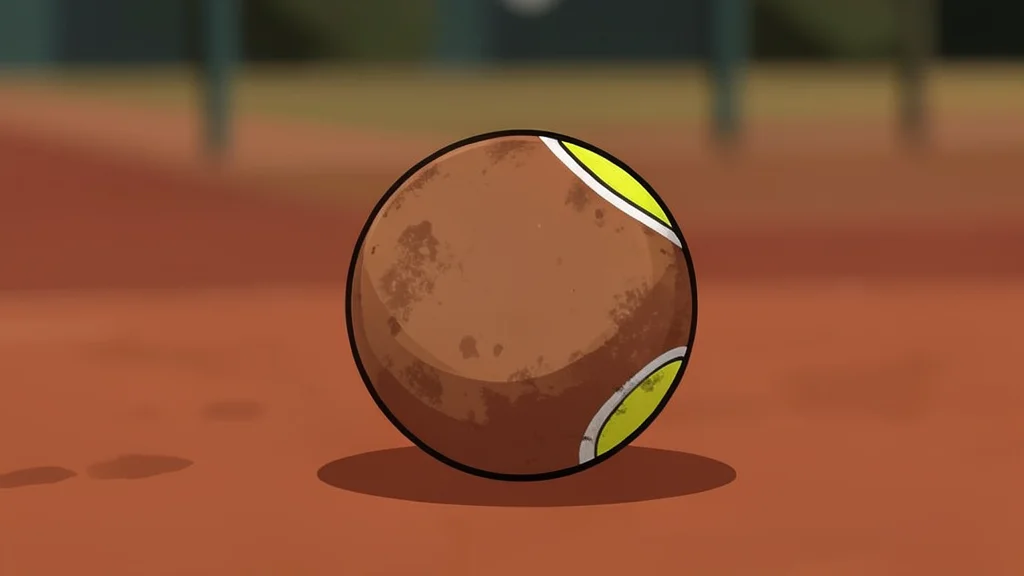
The red clay dust hangs heavy in the air as Alfie Hewett drives a backhand into the baseline. It is not just a shot; it is a declaration of return after months of silence.
The red clay dust hangs heavy in the air, swirling around the wheels of Alfie Hewett as he drives a backhand into the baseline. It is not just a shot; it is a declaration of return after months of silence. Great Britain’s 28-year-old has just dismantled Tokito Oda, the Japanese top seed who had swept the previous three major singles finals. The scoreboard reads 6-0, 7-6 (7-5), a finality that snaps the Japanese player’s six-match Grand Slam winning streak and secures Hewett’s fifth US Open title.
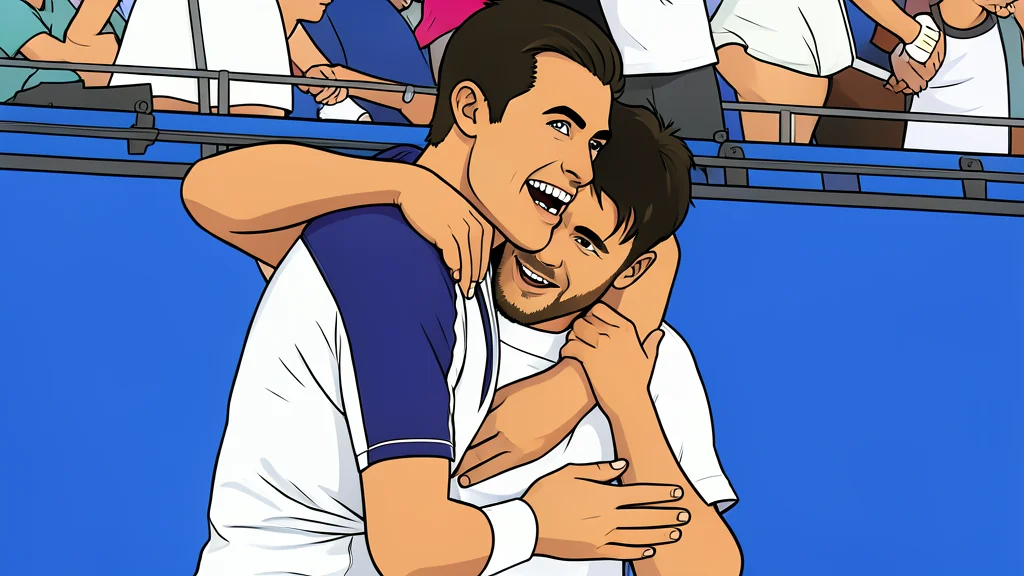
This victory caps a week defined by redemption. Days earlier, Hewett and Gordon Reid had claimed the doubles crown. Now, in the singles final, he has added his eleventh Grand Slam singles trophy to his collection. The win breaks a psychological dam that had been building since the Australian Open in January. It is a physical and mental exhalation, a long-held breath finally released into the humid New York evening.
Shattering the Silent Shell
Earlier this year, the narrative was one of dominance by Oda. At Wimbledon, Hewett was outmatched, losing 6-1, 6-1 in a performance he later described as timid. He was a shadow of his former self, quiet where he should have been loud. That defeat forced a confrontation with his own image. In the weeks that followed, Hewett spoke of looking in the mirror and deciding to reclaim his fearless identity. He needed to prove to himself that the courage was still there, buried under layers of caution.
The drive to return was palpable. For six weeks, Hewett champed at the bit, waiting for the moment to prove he could be the brave competitor he is known to be. The US Open provided that stage. It was a chance to shed the skin of the timid player and reveal the warrior beneath. The reflection he sought was not just in a mirror, but in the eyes of the audience and the weight of the trophy in his hands.
Possessed Fire in the First Set
The first set was a masterclass in aggressive intent. After saving a critical break point in the opening game, Hewett unleashed a barrage of shots that left Oda scrambling. He described his performance as possessed, a state of pure, unadulterated aggression. The set concluded with a superb backhand return winner, a stroke that spoke of confidence and precision. It was a stark contrast to the passive play that had plagued him at the French Open and Wimbledon.
The second set brought the tension back. Oda, the relentless top seed, managed to double-break Hewett and saved three set points to level the match. The pressure mounted, the air in the stadium thick with anticipation. But Hewett held firm. In the tie-break, he found the rhythm again, securing the point that ended the match. It was a victory earned through resilience, a testament to his ability to fight back from the brink.
Acknowledging the Rival's Merit
Tokito Oda, who had won the past six Grand Slam singles titles, showed grace in defeat. Standing on the court, he acknowledged the difficulty of losing the final piece of his calendar year sweep. He admitted that Hewett deserved the win, a recognition of the British player’s superior performance on the day. The respect between the two rivals is evident, a shared understanding of the high stakes and the physical demands of wheelchair tennis at the highest level.
As reported by BBC Tennis, this victory marks a pivotal moment in Hewett’s career. It is a reassertion of his status as a top-tier competitor, capable of beating the best in the world when it matters most. The red clay of Flushing Meadows has witnessed his transformation, from a silent, timid figure to a champion who has reclaimed his fearless spirit. The trophy is not just a symbol of victory; it is a validation of his journey back to himself.