Detroit Tennis Surges with 93-Player Championship and New Courts
Metro Detroit’s tennis scene explodes as 93 players compete in the first city championship and new courts open in Winship.
Key points
- Ninety-three players competed in the first Detroit City Championship at Palmer Park in early September.
- The city added new tennis courts to Peterson Park in the Winship neighborhood this summer.
- Hamtramck High School revived its boys' tennis program, with 25 players joining the club this year.
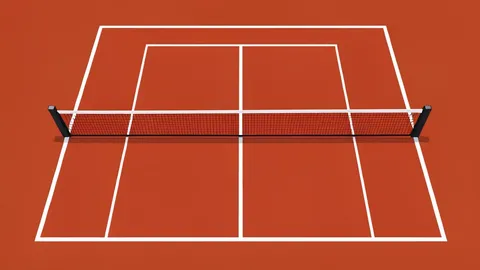
The clay dust hangs heavy in the late afternoon air at Palmer Park, where ninety-three players converged for the inaugural Detroit City Championship. It is a physical shift from the quiet, exclusive country club image that once defined the sport. The net stretches taut, a white line dividing the court as a player sprints for a wide ball, the thwack of the racket echoing off the surrounding trees. This is not a distant memory of a past era; it is a current, pulsing reality in Metro Detroit. The waiting list for youth lessons is not a bureaucratic formality but a testament to demand. The sport is shedding its old skin, shedding the perception of exclusivity, and finding a new, rougher, more vibrant identity in the city’s parks.
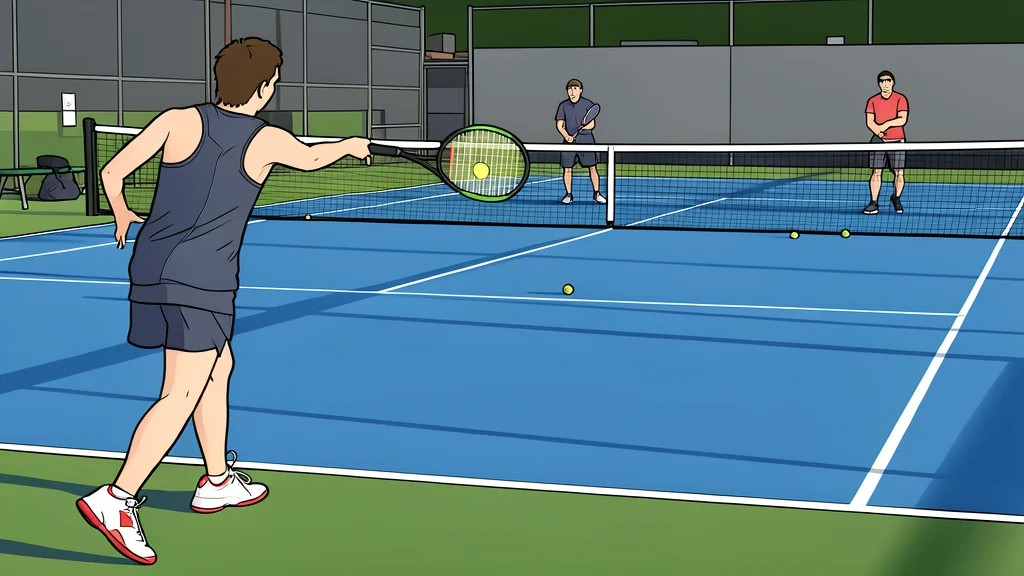
Nick Barnes, co-founder of the Seminole Tennis Club, watches the scene with a quiet satisfaction. Every Wednesday, the club gathers about thirty people, offering extra rackets and balls to anyone who walks up. He sees the change in the faces on the court, a demographic shift fueled by social media and players like Coco Gauff. The sport is no longer locked away. It is spilling out onto public courts, into community spaces where the barrier to entry is low and the spirit is high. The momentum is palpable, a rising tide that is lifting the entire region’s interest in the game. The old guard is making way for a new, more inclusive generation.
Courts and communities expand access
City officials are responding to this surge with concrete action. Megan Woods, communications manager for the City of Detroit General Services Department, notes that residents have explicitly requested improved tennis facilities. The city added new courts to Peterson Park in the Winship neighborhood this summer, a direct answer to community demand. In 2024, funding from the Ralph C. Wilson Foundation allowed for the installation of lights at Palmer Park, extending play into the night and transforming the park into a hub of evening activity. These are not just lines painted on asphalt; they are invitations to participate, to play, and to belong. The infrastructure is catching up with the enthusiasm.
The United States Tennis Association Southeastern Michigan reports a count of 10,402 individual members, a figure that reflects the growing base of players. Chase Root, who runs the organization, confirms that participation in tournaments and leagues has increased compared to 2024. The USTA launched a new league, Downriver, this summer, matching players by skill level and allowing them to schedule matches at their convenience. This flexibility removes the rigid barriers that often keep casual players away. The sport is becoming more accessible, more fluid, and more integrated into the daily lives of Detroiters. The numbers are rising, and the energy is undeniable.
Youth engagement drives local growth
The future of the sport in Detroit is being written by its youngest players. The city’s program for ages 5-16 faced a waitlist, forcing organizers to increase group sizes to accommodate the demand. Rouge Park offered free lessons on Fridays over the summer in partnership with Flat Out Tennis, providing a no-cost entry point for children eager to swing. This grassroots approach is building a pipeline of talent and interest that will sustain the boom for years to come. The children are not just playing; they are claiming the sport as their own. The waiting list is a badge of honor, a sign that the community is hungry for more.
Hamtramck High School brought back boys' tennis in 2024 after a twenty-year hiatus. This year, twenty-five boys joined the tennis club, a significant revival of a program that had fallen dormant. Joey Patterson, a coach at the school, states simply, "Tennis is for everyone." This philosophy is permeating the local scene, breaking down the social and economic barriers that have historically limited participation. The school’s return to the sport is a microcosm of the broader trend: a deliberate, active effort to make tennis accessible and welcoming to all demographics. The rackets are back on the courts, and the players are ready.
Competitive landscape rises in prominence
The competitive side of the sport is also gaining stature. New and renewed events like Palmer Park’s Detroit City Championship and Cranbrook’s Tennis Classic are elevating the profile of local tennis. These tournaments are not just local affairs; they are raising the stakes, with increased prize money and higher visibility. The sport is moving from casual recreation to a serious competitive pursuit. The players are taking it seriously, and the organizers are meeting that energy with equally ambitious events. The scene is maturing, gaining depth and breadth, and asserting its place in the national tennis landscape. The boom is not just a spike; it is a sustained rise.
According to the US Tennis Association, national participation reached an estimated 27.3 million people last year, a record high. Detroit is part of this national wave, but with a distinct local flavor. The city’s efforts to promote equitable access are setting a model for how other regions can revitalize the sport. The story, as reported by wcsx.com, is one of transformation and growth. The clay courts are filling, the tournaments are expanding, and the community is coming together around a shared passion. The boom is real, it is local, and it is just getting started.