Roddick Demands Shot Clock Reform After Zverev's Slow Serves
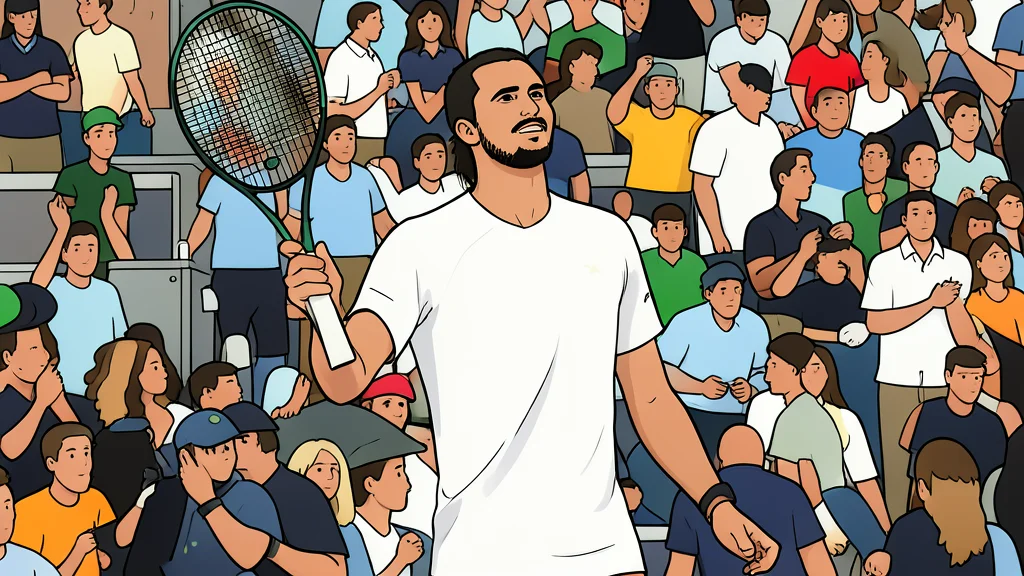
The red clay dust hangs suspended in the air as Alexander Zverev prepares for his next point. The silence stretches, heavy and deliberate, a tactic that has drawn fire from former champion Andy Roddick.
The red clay dust hangs suspended in the air as Alexander Zverev prepares for his next point. The silence stretches, heavy and deliberate, a tactic that has drawn fire from former champion Andy Roddick. On his latest podcast, Roddick described the German’s approach as an
The slow serve controversy
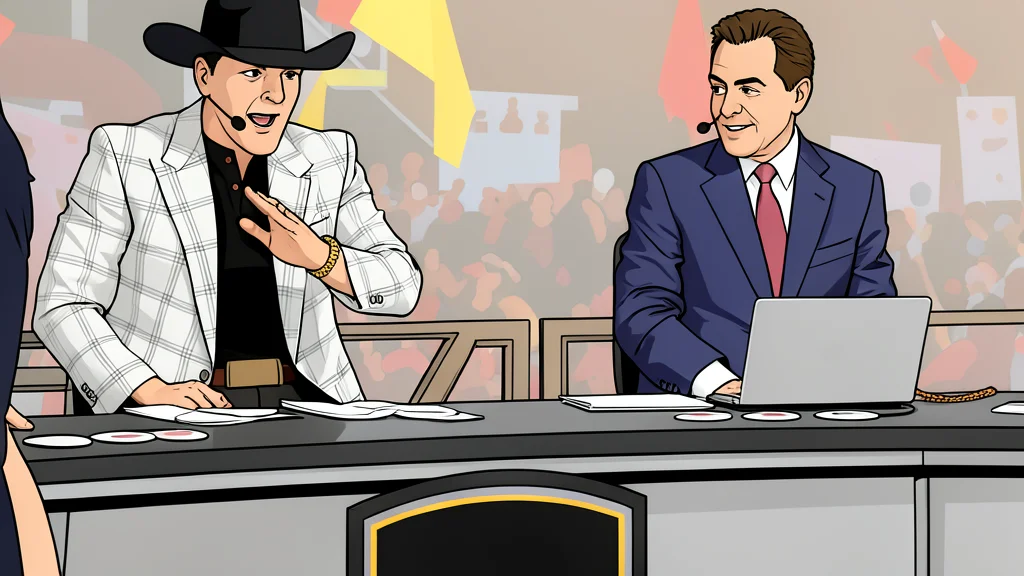
Zverev’s serve is a cannon, one of the most powerful weapons in the sport. Yet the buildup is where the friction lies. During his run to the US Open semi-finals, data logged by Tennis TV revealed he had bounced the ball more than 12,000 times before striking it. That number landed like a stone in a still pond, rippling through the fan base and the commentary booth alike. Roddick’s reaction was immediate and sharp. He argued that while the 24-second shot clock exists, the manner in which players exploit it needs a tighter leash.
The issue, Roddick noted, is not just the time, but the psychology of the pause. Players, he claimed, are learning to throw a bad toss on purpose to reset the clock, exploiting a gap in the current rules. If the rule is weak, he warned, athletes will stretch it to its breaking point. The result is matches that bleed into the small hours of the morning, leaving spectators exhausted and the sport feeling sluggish.
Proposing a radical solution
Roddick’s fix is as blunt as it is specific. He wants a dedicated shot clock for the second serve, limiting the time between serves to just four or five seconds. It is a structural change that would force a rhythm onto the game, eliminating the long, drawn-out pauses that have become a hallmark of modern top-tier tennis. He also proposed a rule change regarding the toss. If a player misses their toss, they should not be allowed to catch it and start over. The toss, he argued, is part of the serve, and fumbling it should carry a consequence, not a do-over.
This stance places him in a small but vocal camp of players who believe the sport has lost its tempo. Roddick cited his own experience, noting that he never received credit for wobbly tosses. Why, he asked, should the current generation be granted such leniency? The inconsistency in how officials start the clock further compounds the problem, creating a landscape where the rules feel arbitrary and open to interpretation.
A year of grand slam dominance
Despite the criticism, Zverev’s 2026 season has been a testament to his resilience and skill. He reached the Australian Open semi-finals, falling narrowly to a cramping Carlos Alcaraz. When Alcaraz was sidelined and Jannik Sinner exited early, Zverev stepped into the void, capturing the Roland Garros title. He followed that with a first-ever Wimbledon final, where he took the first set before succumbing to the world number one. Now, he stands on the brink of another major final, his sixth at the Grand Slam level.
As the US Open final approaches, the debate over Zverev’s style continues to simmer. Roddick’s proposal, shared via Yahoo Sports, highlights a growing tension between the artistic freedom of players and the need for a structured, efficient game. The clay court is ready, the ball is in the air, and the world watches to see if the next generation of tennis will embrace the pace or continue to savor the silence.