Sabalenka’s Quiet Year at the Top of Tennis
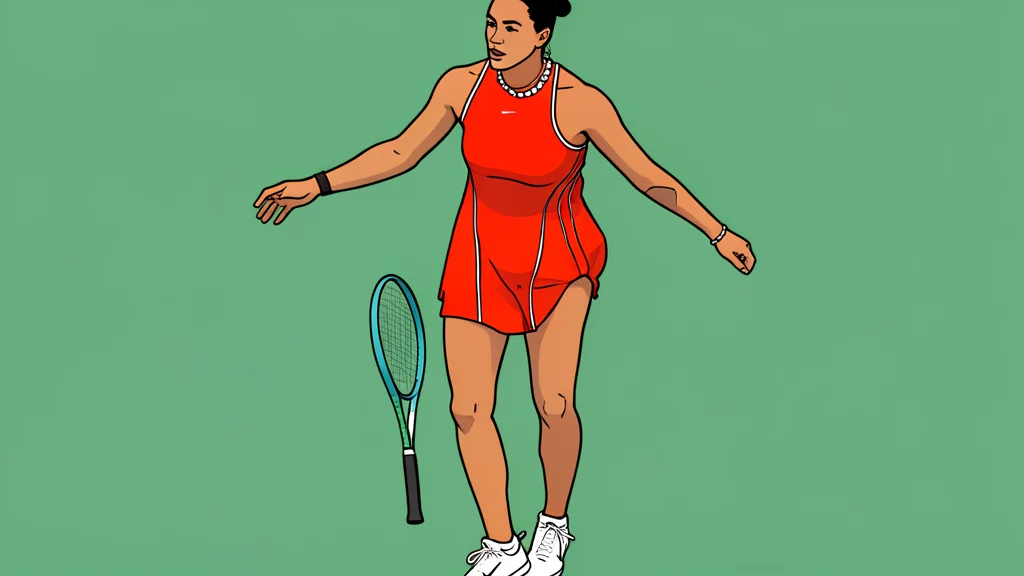
Aryna Sabalenka ends 2026 without a Grand Slam, exposing the mental toll of holding the No. 1 ranking.
The air in the locker room still hums with the residual vibration of broken strings. Aryna Sabalenka stands still, the weight of a season pressing down on her shoulders. She has just lost the U.S. Open final to Elena Rybakina, ending a run that saw her reach eight consecutive Grand Slam finals on hard court. The silence is heavy, broken only by the distant echo of a crowd dispersing into the New York night.
For the first time since 2022, she finishes the year without a major trophy. The No. 1 ranking she has held since October 2024 slips away on Monday, not due to a technical collapse, but because the game simply shifted. It is a quiet exit for a player who has always dominated with thunderous power, yet this year, the thunder went silent.
The Weight of Consistency
Sabalenka’s journey this year was defined by a paradox. She won big titles in Indian Wells and Miami, reaching the Australian Open final, and signed with luxury brands she once only admired. Yet, she also lost to players who had previously never beaten her. The line from her Wimbledon exit, where she congratulated her opponent and asked if they could do it consistently, rang with a sharp, defensive edge. It was a reminder that reaching the top is merely the starting line for a grueling marathon of maintenance.
The sport churns out hungry competitors who view the No. 1 spot as a target to be dismantled. Sabalenka, at 28, finds herself in the role of the defender, a position that demands a different kind of stamina. It is not just about hitting aces; it is about the mental fortitude required to stay disconnected from the pressure while constantly improving. The gap between winning and maintaining that win is where careers often fray.
Cracks in the Racket Frame
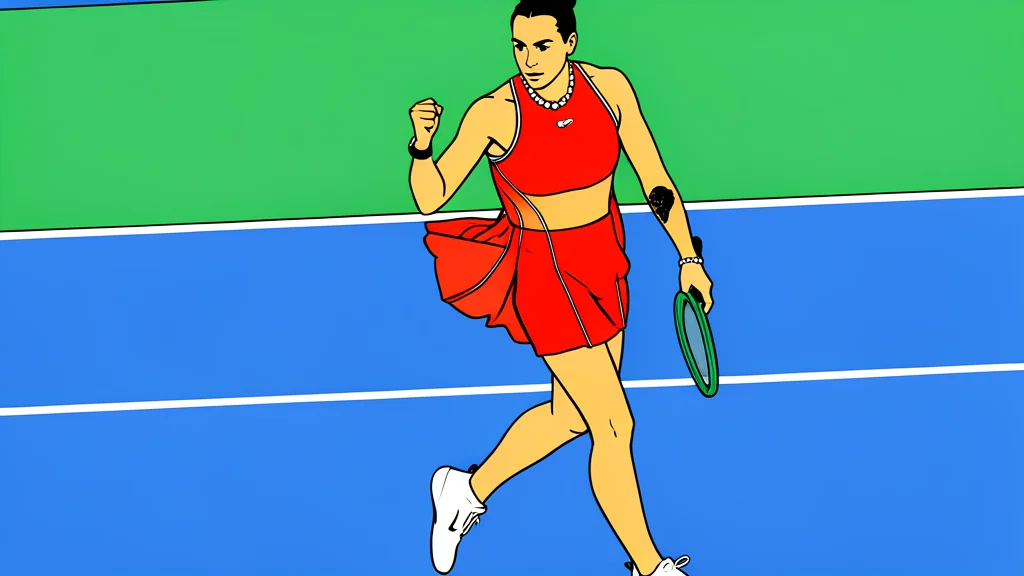
In the final match, the frustration was physical. Sabalenka cracked the frame of one racket during the game and smashed another after the final point. She hit her own head, a gesture of self-directed anger that spoke to a deeper exhaustion. Her movement, usually a blur of aggressive footwork, appeared sluggish. The erratic energy and scattered focus suggested a player running on fumes, fighting not just the opponent on the other side of the net, but the ghost of her own expectations.
She held her racket aloft, one end in each hand, trying to force a breath that would steady her. The aggression was real, a release valve for months of high-stakes pressure. Yet, in her post-match address, she remained tight and concise. The devastation was there, visible in the welling eyes, but it was contained, wrapped in a professional polish that did not quite hide the annoyance beneath.
A New Order Takes Hold
Elena Rybakina, the new champion, takes over the throne on Monday. Her straightforward power played directly into the gaps that opened in Sabalenka’s game. The transition of power in women’s tennis is rarely gentle, but this year’s shift feels particularly stark. The old guard, led by Sabalenka’s four-time Grand Slam legacy, is being challenged by a new wave that demands nothing less than perfection.
As reported by GN auto sports/esports: league finals, the narrative of the year is not one of failure, but of the immense difficulty of staying at the summit. Sabalenka’s 2026 is a testament to the fact that the top of the sport is a cold, unforgiving place. It is a landscape where the air is thin, and every step upward requires a sacrifice that is rarely visible to the casual observer. The season ends, but the struggle to reclaim the high ground has only just begun.