Zverev Finds Zero Stress in New York Victory
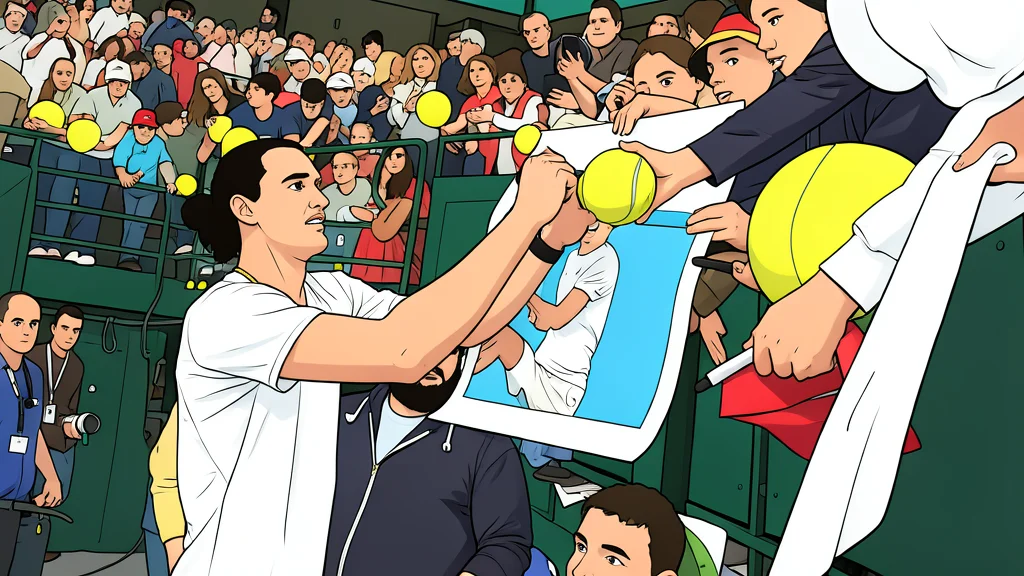
In the hush of the post-match press area, Alexander Zverev reflects on a triumph that felt effortless. While Paris demanded a grueling fight, New York offered a serene path to his second Grand Slam title.
The air in New York carries a different weight than the dust-choked heat of Paris. There, Zverev fought through forty-one attempts to claim his first major, a victory buried under weeks of cognitive dissonance where the reality of the win refused to settle. In Flushing Meadows, the narrative shifted. The German star describes the experience as a stark contrast: a journey marked by a total absence of pressure. He did not carry the burden of expectation; he carried the lightness of a player simply enjoying the court. The difference is palpable, a shift from survival mode to pure performance.
Now, the focus turns to the clay courts of Halle. Germany needs a win against Croatia to secure a spot in the Bologna final. Zverev, fresh from his American triumph, steps onto the court with a calm that borders on serene. It is a rare moment of clarity in a season defined by high stakes. The question is no longer whether he can win, but how he chooses to play when the weight of the world is lifted from his shoulders.
The Absence of Heavy Favorites
The landscape of top men’s tennis shifted dramatically in New York. Jannik Sinner, the reigning world number one, fell in the second round, surrendering to the oppressive heat. Carlos Alcaraz, still recovering from a long injury absence, exited in the quarterfinals. Novak Djokovic, the veteran icon, was eliminated in the opening round. This exodus left Zverev isolated at the summit. Suddenly, the favorite status was not a target on his back but a natural consequence of the field’s depletion. He was the last giant standing, and the silence of the competition allowed his game to breathe.
A Different Kind of Pressure
Zverev admits that in Paris, the role of favorite was a source of immense stress. He confessed to lying to himself about his comfort level, masking the anxiety of being the one to beat. In New York, that dynamic inverted. He felt genuine happiness in simply being present. The near-loss in the first round, where he hovered on the brink of elimination, did not trigger panic. Instead, it sharpened his focus. By the time he reached the final, the pressure had dissipated into a state of flow. He was not playing to prove anything; he was playing to experience the game.
Clash With American Energy
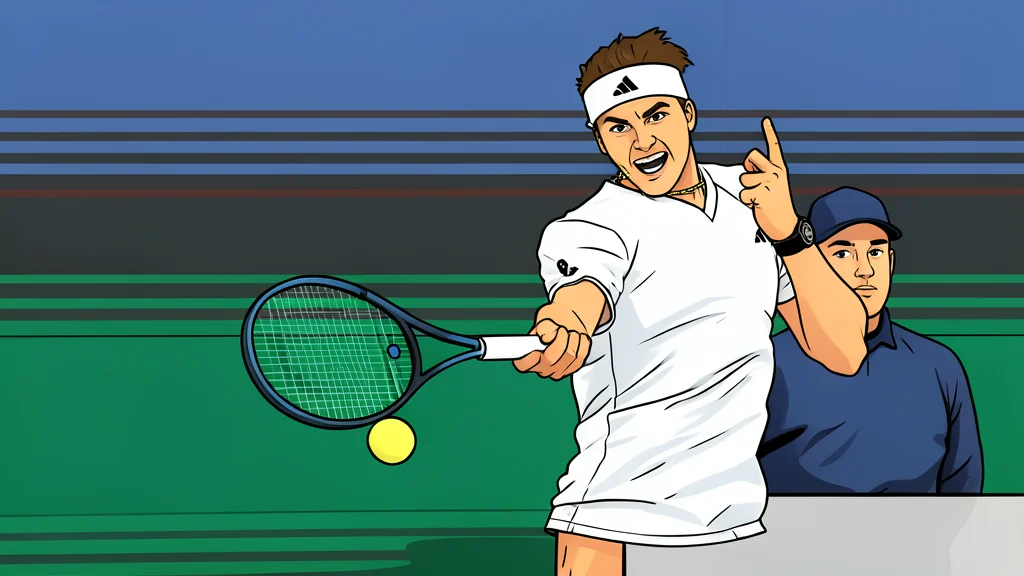
The final against Ben Shelton offered a distinct flavor. Shelton, a powerful American, presented a formidable challenge. Yet, Zverev maintained his status as the favorite, a position he embraced with visible enjoyment. The match was not a war of attrition but a display of controlled aggression. Zverev’s confidence was not arrogant; it was rooted in the clarity of his mental state. He played with a freedom that was evident in every stroke, a testament to the psychological shift that defined his New York campaign. As reported by GN sports/tennis, this emotional equilibrium was the key to his success.
The journey continues in Halle, where the stakes are high but the stress is low. Zverev has already secured the first point for Germany, defeating Matej Dodig in straight sets. The team now looks to him for the decisive push. His demeanor suggests a player who has found his rhythm, one who thrives not under the weight of expectation, but in the open space of possibility. The clay of Germany awaits, and with it, the chance to extend a winning streak that feels less like a struggle and more like a glide.