Zverev's US Open Triumph and Thomalla's Airport Watch
Alexander Zverev claimed his second Grand Slam title at the US Open, but the celebration in New York lacked a familiar face. Sophia Thomalla watched the historic match from a Berlin airport gate, accompanied by television host Günther Jauch.
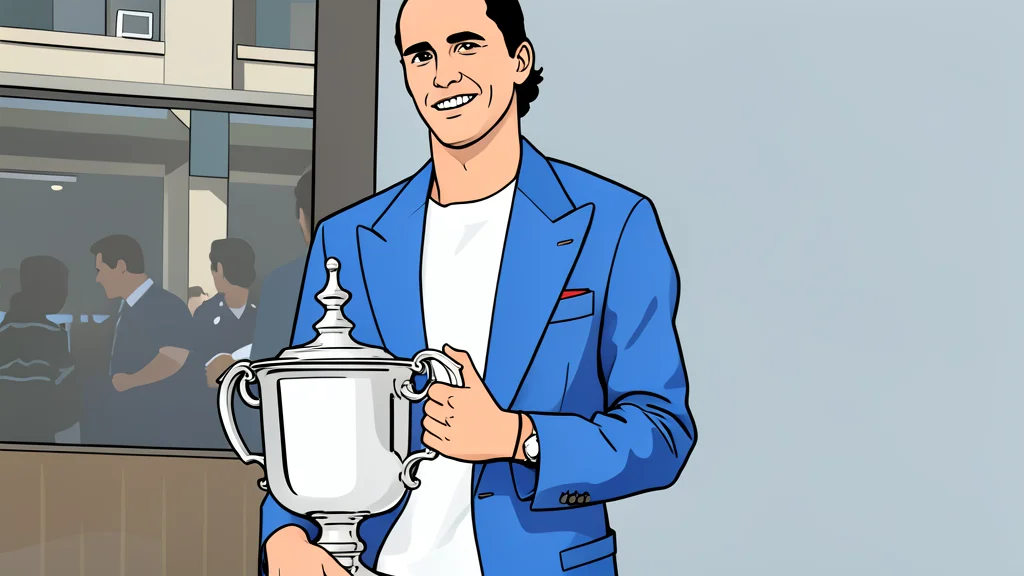
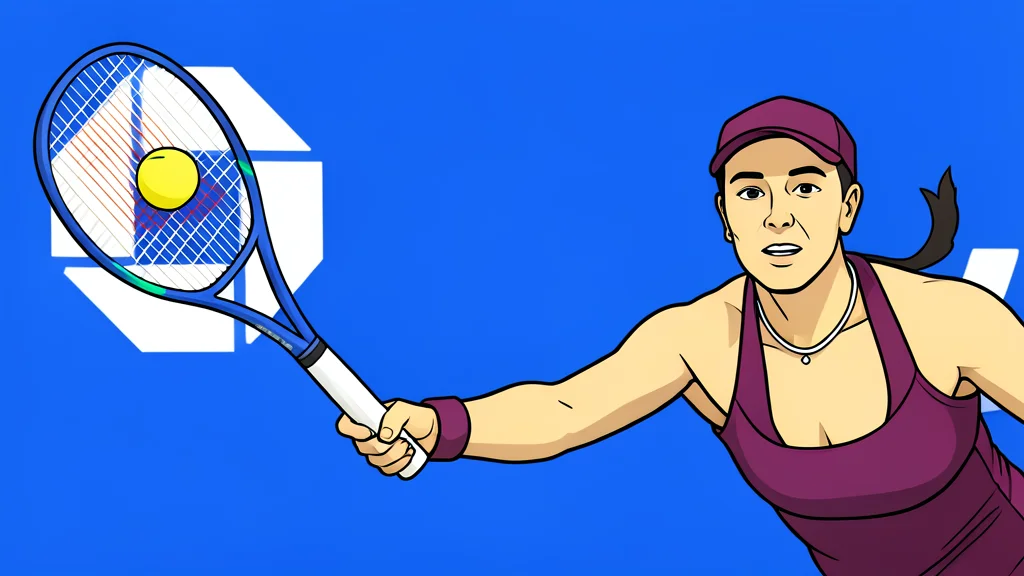
The Arthur Ashe Stadium hummed with the electric tension of a Grand Slam final, the air thick with the scent of fresh-cut grass and the roar of twenty thousand voices. Alexander Zverev moved with precise, fluid efficiency, his racket slicing through the humid New York air as he dismantled Ben Shelton to secure his second major title. The Hamburg-born star stood at the net, chest heaving, the trophy’s weight a tangible promise of a career milestone. Yet, scanning the stands for a familiar smile, he found only the steady, unwavering presence of his father, Alexander Sr., and his brother Mischa, both integral to his inner circle and training regime.
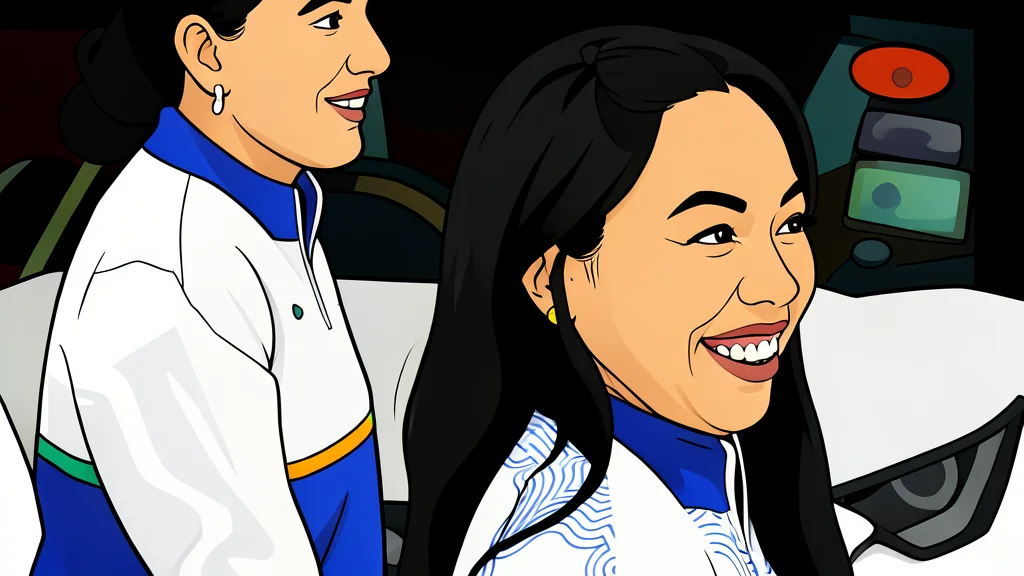
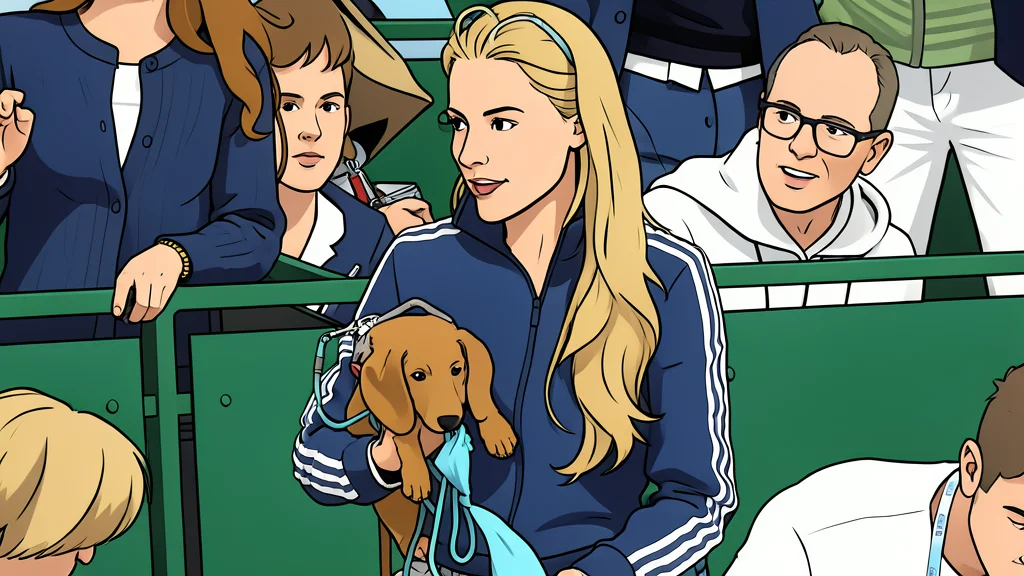
Miles away, the narrative of support took a different, quieter path. Sophia Thomalla, Zverev’s partner, was not in the stands. Instead, she sat in the sterile, fluorescent-lit waiting area of Berlin’s airport, her gaze fixed on the glowing screen of a tablet. Beside her sat Günther Jauch, the veteran television host, sharing the digital feed and the nervous energy of the live broadcast. Their proximity was not a coincidence but a logistical necessity, bound by the production schedules of their respective worlds.
Airport Gates and Digital Companions
According to reports from GN sports/tennis, Thomalla was in the midst of filming commitments that precluded a transatlantic journey. The distance between her location in Berlin and the 'Big Apple' made a spontaneous trip to New York highly improbable. She had previously chosen to forgo attending Grand Slam events if she could not be present from the very first round, a decision rooted in practicality and the demands of her work. This time, the final match became a shared experience in the transit hub, a moment of suspense suspended between flights.
The presence of Jauch added a layer of casual intimacy to the tense viewing. They were traveling together for a recording of a celebrity edition of the game show 'Wer wird Millionär?', with Thomalla participating as a contestant. The atmosphere in the gate was a mix of professional obligation and personal anxiety. As the points ticked by on the small screen, the two engaged in the quiet, focused silence of those who are waiting for a verdict, the digital match serving as the sole bridge to the stadium in New York.
A Phone Call Across the Atlantic
The connection between the athlete and the audience was maintained through technology, culminating in a live telephone interview during the broadcast. Jauch, ever the curious interviewer, asked Zverev if he had managed to sleep since his victory. The tennis star’s response was laced with dry, self-aware humor. 'I believe, Mr. Jauch, you know the answer to that question,' Zverev replied with a sardonic edge. 'I believe I have not yet slept.' The quip highlighted the lingering adrenaline, the high of victory that defies the body’s natural need for rest.
This exchange underscored the unique distance between the celebration and the personal life of the athlete. While Zverev stood atop the podium in New York, his partner was grounded in Berlin, bound by the logistics of her career. The triumph would be fully shared only after his return to Germany, a reunion deferred by geography and professional duty. The final point had been struck in New York, but the true celebration remained pending, waiting for the jet to land and the distance to close.
Family Support in the Stands
Zverev did not face the final match in isolation. The court was flanked by the quiet, steadfast support of his family. His father and brother, who form the core of his coaching and support team, were present in the stands. Their presence provided a constant, grounding force, a reminder of the long journey that led to this moment. Unlike the distant, digital watch of his partner, their support was immediate, physical, and deeply embedded in the daily grind of elite tennis.
In a previous triumph at the French Open, Thomalla had made a last-minute trip from Cologne to Paris to witness the victory. The US Open, however, presented a different logistical reality. The vast expanse of the Atlantic Ocean made such a spontaneous journey less feasible. This contrast highlights the varied nature of support in modern sports, where personal presence is often contingent on schedule, location, and the sheer scale of the event. The victory in New York was a personal achievement, but the journey to it was supported by a network of family, friends, and digital connections.