NCAA Fines Iowa State Wrestling over Tampering, Recruiting Lapses
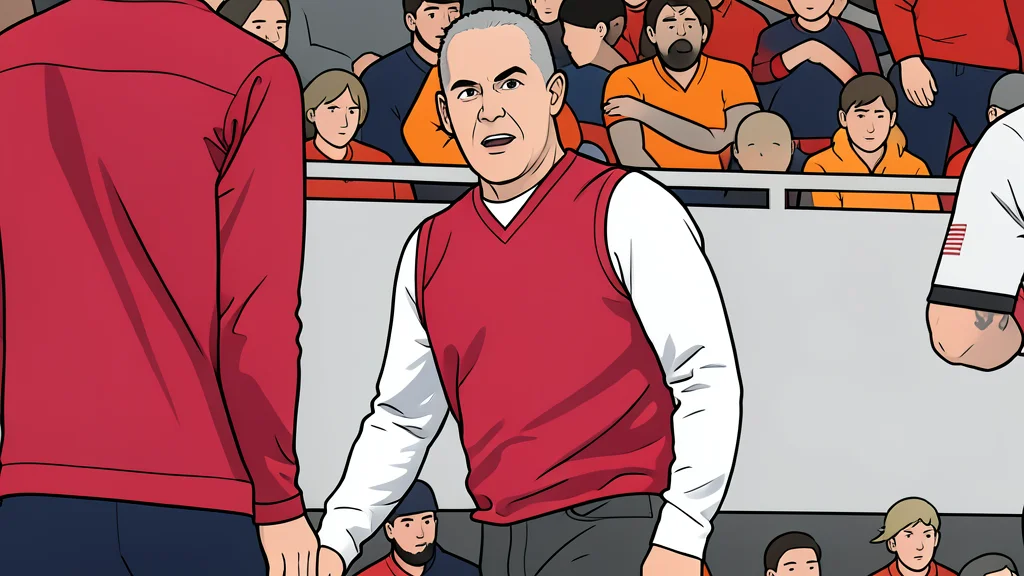
Iowa State wrestling faces sanctions after an assistant coach contacted a prospect before he entered the transfer portal.
Key points
- NCAA found Chris Perry committed tampering by contacting a prospect before he entered the transfer portal.
- Perry, a booster, texted one athlete 14 times and provided a commitment graphic to another.
- Iowa State self-imposed penalties, including a suspension for the head coach, acknowledging the violations.
The dust on the mat settled, but the fallout did not. On Tuesday, the NCAA handed down a verdict that shakes the foundation of the Iowa State wrestling program. The sanction stems from a spring in 2025 when lines between casual conversation and active recruitment blurred. It was a moment where the quiet hum of a training center turned into a loud violation of amateurism rules.
The core issue is simple and stark: contact with an athlete before they were officially in the transfer portal. Chris Perry, an assistant coach at the Cyclone Regional Training Center, reached out to two prospects. One of them had not yet entered the portal. That single act transformed a recruiting effort into tampering. The panel’s findings paint a picture of a program that, while not acting with malicious intent, failed to guard the integrity of the process.
The Call That Crossed the Line
Perry’s actions were specific and documented. He called one prospective transfer twice. He texted that same athlete fourteen times. These messages were not idle chitchat. They included requests for academic transcripts. They detailed potential revenue-share payments and the cost of attendance. Most critically, Perry advised the prospect to request a "do not contact" tag when his name was eventually entered into the Transfer Portal. This advice, intended to shield the athlete from other coaches, inadvertently cemented the violation.
For the second athlete, Perry went further. He provided a commitment graphic for the prospect to share on social media. Both athletes committed to Iowa State on the exact same day they entered the portal. In interviews with NCAA enforcement staff, both named Perry as their first point of contact. They identified him as their primary recruiter. This testimony linked Perry’s actions directly to the recruiting outcome, regardless of his official title.
Booster Status and Institutional Liability
The NCAA’s ruling hinges on a technical but crucial distinction. Perry was not employed by Iowa State in a traditional sense. He worked at the regional training center. However, because he acted in an individual capacity to represent the school’s interests in recruiting conversations, he triggered "booster" status. This classification means his actions are attributed to the program. The panel noted that while he reported to the head coach at the RTC, he did not report to the head coach in an institutional capacity for wrestling.
Despite this technicality, the head coach faced consequences. The school and enforcement staff agreed that a suspension was appropriate. This decision acknowledges that the head coach communicated with an exiting coach at another university, expressing interest in recruiting two of their athletes. That initial exchange set the stage for Perry’s subsequent contact. The panel approved the agreement, noting that Iowa State’s approach served as a positive example for other member schools. They self-imposed penalties that directly addressed the conduct.
A Roster Built on Transfers
The stakes for the 2026 season are high. Iowa State’s varsity lineup relied heavily on transfers. Four starters were first-year Cyclones. Stevo Poulin at 125 pounds and Vince Zerban at 157 pounds, both from Northern Colorado, were 2025 NCAA All-Americans. They joined Isaac Dean from Rider at 184 pounds and Rocky Elam from Missouri at 197 pounds. This group formed the backbone of the team’s recent performance.
The violations do not retroactively strip these athletes of their status or results. However, the incident casts a shadow over the program’s recruiting integrity. Iowa State released a statement acknowledging the rulings were fair and justified. They emphasized their full cooperation with the NCAA. The case serves as a stark reminder that in college wrestling, the boundaries of permissible contact are rigid. A single phone call, a text message, or a graphic shared online can unravel a program’s standing. The mat remains the same, but the rules governing who steps onto it have never been clearer.