PepsiCo Slides 3% Amid Peer Stability
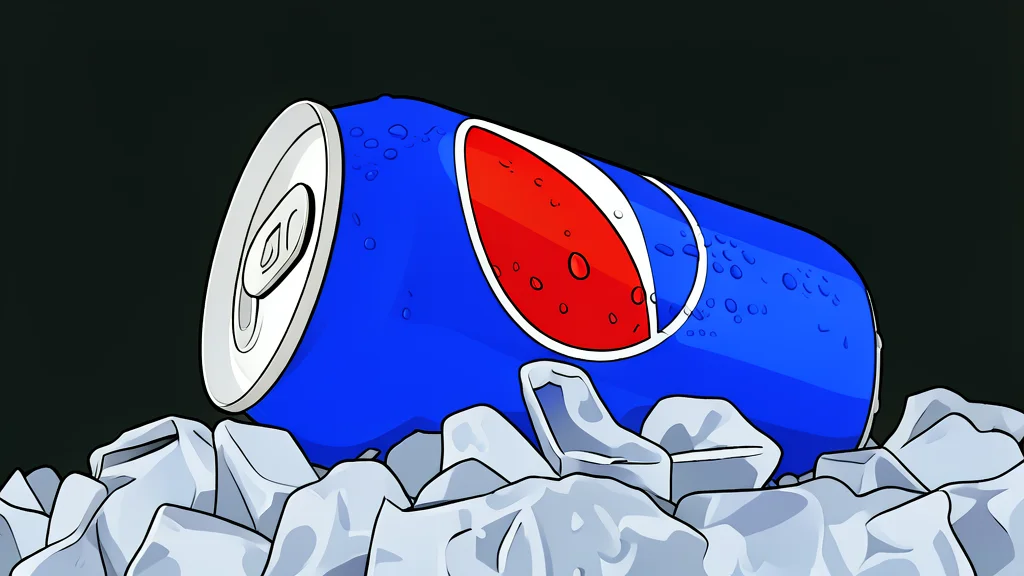
PepsiCo shares fell 3% on Friday without a corporate catalyst, diverging sharply from stable peers like Coca-Cola and Keurig Dr Pepper.
PepsiCo (PEP) shares declined 3% to $130.11 on Friday, extending a year-to-date drop of 7%. The move occurred without any earnings release, guidance update, or announced corporate action, marking a distinct departure from the broader consumer staples sector.
While PepsiCo traded significantly lower, direct competitors remained largely unaffected. Coca-Cola (KO) slipped only 0.31% to $87.79, and Keurig Dr Pepper (KDP) eased 2% to $30.84. This divergence indicates that the selling pressure is specific to PepsiCo rather than a broad rotation out of the beverage category or defensive equities.
Sector Indexes Remain Stable
The Consumer Staples Select Sector SPDR ETF (XLP) recorded a minimal decline of 0.55% at midday, while the S&P 500 ETF (SPY) fell just 0.17%. These figures suggest that the broader market environment is soft but not distressed, failing to provide a macroeconomic explanation for PepsiCo's isolated loss.
The stability of the sector fund is further supported by portfolio weightings. Coca-Cola holds a larger position within XLP than PepsiCo, meaning its flat performance helped stabilize the index. Consequently, PepsiCo's decline did not drag the broader sector metric significantly lower, confirming the move is a single-name event.
No Corporate Catalyst Identified
PepsiCo issued no public announcements on Friday that could account for the price action. There were no changes to financial guidance, no new product launches, and no executive departures reported. The stock traded in a quiet news window, suggesting the sell-off stems from investor sentiment or technical factors rather than fundamental business updates.
Peer Performance Highlights Divergence
Coca-Cola and Keurig Dr Pepper serve overlapping customer bases and operate in the same defensive segment. However, their modest declines contrast sharply with PepsiCo's 3% drop. If the market were exiting the beverage category broadly, all three names would have faced similar downward pressure, but the data shows the opposite.
According to GN auto stocks/consumer reports, this pattern underscores that PepsiCo is losing ground in isolation. The lack of a shared driver among beverage leaders suggests that the current trading activity is targeted specifically at PepsiCo’s valuation or outlook, rather than reflecting a sector-wide shift in consumer demand.