Thor Industries Q2 Revenue Beats, EPS Misses on Margin Squeeze
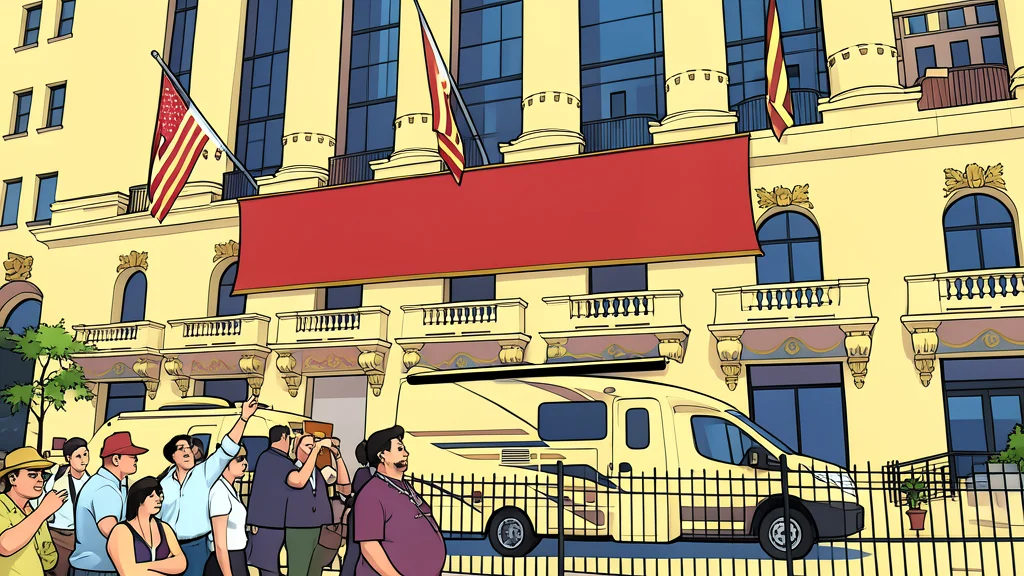
Thor Industries reported Q2 CY2026 revenue of $2.31 billion, beating estimates, while GAAP EPS of $0.78 missed consensus due to cost pressures.
Key points
- Thor Industries Q2 CY2026 revenue was $2.31 billion, beating estimates by 6.1% but down 8.4% year-over-year.
- GAAP EPS of $0.78 missed consensus by 15.9% due to rising material costs and affordability concerns.
- Adjusted EBITDA was $131.7 million, missing estimates by 5%, while operating margin held steady at 3.4%.
Thor Industries (NYSE: THO) delivered a mixed second quarter for calendar year 2026, with revenue exceeding analyst expectations despite a significant year-over-year decline. The recreational vehicle manufacturer generated $2.31 billion in sales, a figure that outperformed the consensus estimate of $2.18 billion by 6.1%. However, this top-line beat masked underlying profitability challenges, as GAAP earnings per share came in at $0.78, missing the projected $0.93 by 15.9%.
The divergence between sales and profit stems from heightened affordability concerns among consumers and rising material costs, which compressed gross margins. Management stated that these pressures forced the company to accept near-term margin hits in exchange for long-term business health. Adjusted EBITDA totaled $131.7 million, falling short of the estimated $138.7 million, while the operating margin held steady at 3.4%, matching the same quarter in the prior year.
Strategic response to margin pressure
In response to the deteriorating cost environment, Thor Industries initiated restructuring actions to evolve its North American operating model. The company’s leadership emphasized that they are directing initiatives toward protecting attainable price points for customers, even if it results in continued margin pressure in the short term. This strategy aims to leverage the brand's strength and balance sheet health to emerge from the current cycle with a permanently stronger operational structure.
This approach reflects a broader trend of cost discipline within the industrial sector. By prioritizing long-term stability over immediate earnings targets, the company acknowledges that its large cost base has historically limited its ability to pass expenses onto customers. The decision to restructure is intended to address the seven-percentage-point decline in operating margins observed over the last five years.
Historical growth trends remain weak
Despite the recent sales beat, Thor Industries continues to struggle with long-term demand erosion. Over the past five years, the company’s sales have fallen at an annual rate of 4.8%, indicating a persistent decline in market share or volume. The annualized revenue decline of 2.2% over the last two years suggests that the current demand shrinkage is not a temporary anomaly but part of a structural trend.
The weak operating margin average of 5.4% over the same period further underscores the business quality concerns. For an industrials firm, such thin margins highlight the difficulty in maintaining profitability against rising input costs. This historical context provides a sobering backdrop to the current quarter's results, where the top-line improvement failed to translate into bottom-line strength.
Forward outlook and market expectations
Looking ahead, sell-side analysts project revenue growth of 1.4% over the next 12 months. While this indicates a modest recovery in top-line performance, it remains below the sector average, suggesting that the market expects only a gradual stabilization rather than a sharp rebound. The company aims to use its current position to build a stronger foundation, relying on its leadership in the RV market and financial stability to navigate the ongoing affordability challenges.
According to TradingView data, the market capitalization stands at $3.64 billion. Investors are now watching how the restructuring efforts will impact future margins and whether the company can successfully balance consumer price sensitivity with the need for sustainable profitability. The next few quarters will determine if these strategic shifts can reverse the long-term trend of declining sales and compressed margins.