Diesel Prices Near Records Threaten Logistics Margins
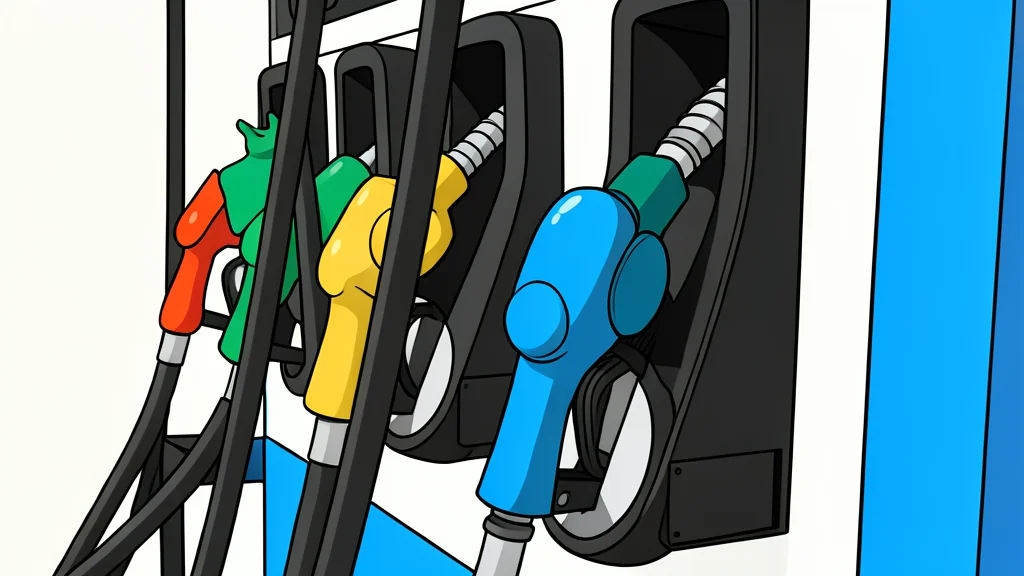
Surging diesel costs, now at all-time highs, are beginning to erode profit margins for transportation firms like JB Hunt. While some executives warn of a 5-10% quarterly profit decline, other analysts argue that broad-based margin resilience will absorb the shock in the current quarter.
Diesel prices have reached an all-time high of 644 cents, sitting just pennies away from an adjusted inflation record. Gasoline prices follow closely, remaining within 10 cents of their May peak. This sustained spike in fuel costs is creating immediate pressure on corporate bottom lines, particularly for companies with high exposure to freight and logistics. JB Hunt recently issued a warning that its inability to rapidly adjust pricing contracts is already impacting its financials, projecting a quarter-over-quarter profit decline of 5% to 10%.
The volatility stems from the prolonged geopolitical conflict in the Strait of Hormuz, which has outlasted most institutional forecasts. Many large banks admitted they lack a reliable baseline for modeling the end-game of oil prices, citing the failure of expected 'red lines'—such as oil hitting $100 or gasoline approaching $5 per gallon—to trigger a diplomatic resolution. Consequently, companies are struggling with hedging strategies that were calibrated for a much lower energy cost environment at the start of the year.
Logistics Firms Face Immediate Margin Pressure
For transportation heavyweights, the impact is direct and immediate. JB Hunt’s recent guidance highlights the difficulty of passing through sudden fuel cost increases in a timely manner. The company noted that the speed of the price swing prevents adequate adjustment in service rates, leading to a direct hit on earnings. This specific case illustrates how energy inflation is moving from a macroeconomic variable to a line-item driver of quarterly performance for a subset of the S&P 500.
Broad Margin Resilience Absorbs Current Costs
Despite the sharp rise in input costs, PNC Asset Management Group CIO Amanda Agati argues that this energy shock is unlikely to break the broader trajectory of earnings growth in the third quarter. She points to years of operating leverage and margin expansion across the market, suggesting that current profit buffers are sufficient to absorb the increased fuel and energy expenses. Positive earnings revisions remain broad-based, indicating that most companies are still managing to maintain profitability despite the higher cost environment.
Agati acknowledges that the conflict has lasted longer than anticipated, making hedging difficult. However, she distinguishes the current quarter from a potential future scenario. If high energy prices persist for another year, the narrative would likely shift significantly. For now, the consensus among asset managers is that while costs are higher than expected, they are not yet high enough to reverse the fundamental earnings momentum seen in recent quarters.
Consumer Price Inflation Remains Elevated
The cost pressures are not limited to corporate balance sheets; they are bleeding into consumer prices. The persistence of high diesel and gasoline levels is contributing to broader price increases across the economy. This dynamic creates a challenging environment for retailers and manufacturers, who face higher logistics costs while simultaneously dealing with consumers who are becoming more price-sensitive. The interplay between corporate margin defense and consumer demand will be a key determinant of how these energy costs translate into actual revenue performance in upcoming reports.