Dunkirk LNG Terminal Capacity Drops Amid French Energy Strike
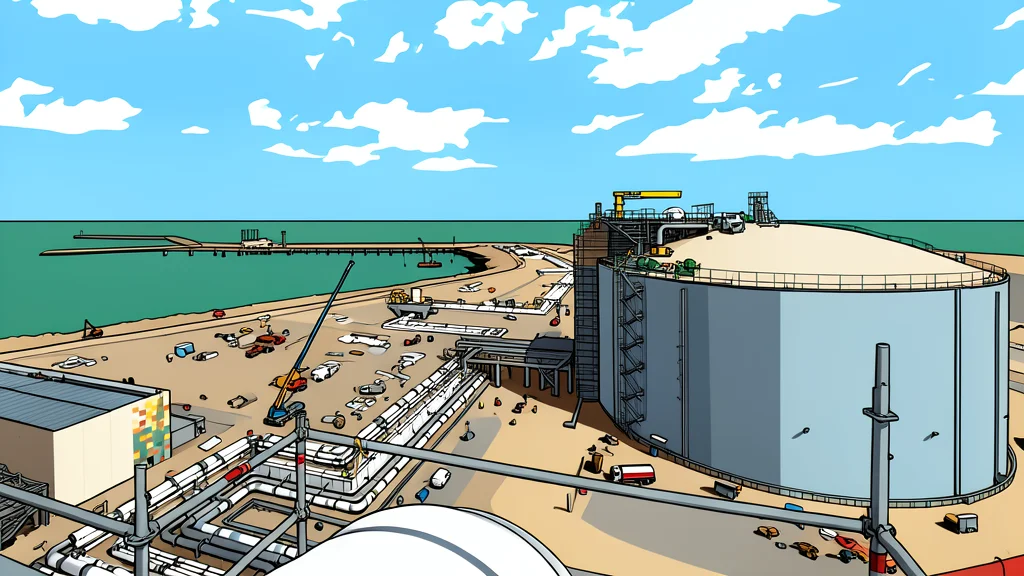
A 24-hour industrial action in the French energy sector has reduced daily gas delivery capacity at the Dunkirk LNG terminal to 4 GWh, down from a standard minimum of 9.4 GWh, impacting European storage refill efforts.
Daily delivery capacity at the Dunkirk LNG terminal fell to 4 gigawatt-hours during a 24-hour labor strike, significantly below the usual minimum of 9.4 gigawatt-hours. This reduction in sendout ability was reported by Fluxys data and coincided with a broader industrial action affecting French energy infrastructure. The disruption directly impacts the flow of liquefied natural gas from the terminal, which is a critical node for European gas distribution.
The strike was called by unions at state-owned nuclear operator EDF, Belgian terminal operator Fluxys, and French terminal operator Elengy. Protesters are opposing a recommendation by the French Court of Auditors to limit employee benefits, specifically the discounted access to gas and electricity that workers and retirees currently enjoy. This benefit is viewed by labor unions as a core component of their compensation package, prompting the coordinated work stoppage.
Electricity Grid Faces Significant Output Loss
Beyond gas logistics, the industrial action removed 6.5 gigawatts of electricity generation capacity from the grid overnight on Monday, according to EDF data. Analysts projected that the strike would further reduce French electricity supply by up to 5 gigawatts on Tuesday. This simultaneous loss of power generation and gas delivery capacity highlights the interconnected nature of the French energy sector's infrastructure.
Elengy confirmed that the disruption was isolated to the Dunkirk site, with no operational issues reported at the Fos or Montoir terminals. LSEG analyst Dzmitry Dauhalevich noted that the impact was limited to sendout capabilities, as no new LNG cargoes were scheduled to arrive at Dunkirk during the strike period, nor were any vessels redirected to alternative terminals.
European Storage Refill Timelines At Risk
The capacity reduction occurs while Europe is actively working to refill gas storage facilities ahead of the winter season. France is one of the continent's largest gas exporters, and this disruption adds friction to the supply chain. Germany and other gas-dependent nations are currently lagging behind European Union storage targets, making the reliable flow of gas from key terminals like Dunkirk essential for meeting regional demand and security goals.