El Niño to Reduce European Gas Demand
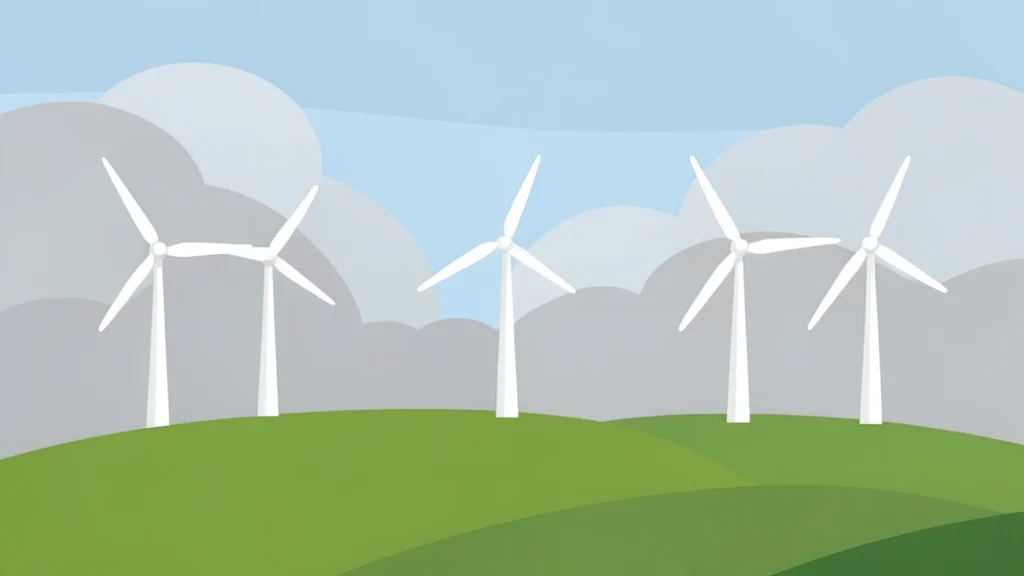
Record El Niño conditions are expected to boost wind output and lower natural gas consumption in Europe, alleviating storage pressures for energy firms.
European energy companies face a potential reduction in natural gas demand this winter due to an exceptionally strong El Niño event. According to GN auto stocks/energy-stocks data, the phenomenon is driving stronger westerly winds and higher temperatures, which directly lowers the need for gas-fired power generation during the heating season.
This shift could ease immediate financial pressures associated with below-normal gas storage levels. By reducing the volume of liquefied natural gas required to cover peak demand, the weather pattern offers a temporary reprieve from costly procurement strategies that have been necessary following years of weak wind generation.
Meteorological Factors Drive Generation
The World Meteorological Organization identifies this year’s El Niño as potentially the strongest on record, with peak readings expected between November and January. These conditions alter the jet stream path, directing consistent westerly winds toward the North Sea, the United Kingdom, and Scandinavia. This meteorological setup is critical for maximizing turbine output in key European markets.
For energy suppliers, this represents a structural change from the previous three years. The sustained wind speeds are forecast to boost generation in Germany, the UK, and France, which hold the majority of Europe’s wind capacity. This increase in renewable output directly substitutes for thermal generation, reducing the operational reliance on gas infrastructure.
German Wind Output Recovers
Germany, Europe’s largest wind producer, experienced significant output deficits in 2024 and 2025 due to the 'Dunkelflaute,' or dark doldrums. Despite installed capacity reaching a record 82 GW by mid-2026, generation remained below historical highs because of a lack of prolonged strong winds. The current El Niño conditions are reversing this trend, improving the utility factor of existing assets.
Recent data confirms this recovery. In August, German wind farms generated approximately 390,189 MWh per hour, a figure more than 30% higher than the two-year average for that month. This compares to roughly 298,000 MWh in August 2025 and 277,075 MWh in August 2024. This upward trajectory suggests that wind generation will increasingly displace gas consumption in the coming months.
Impact On Storage Levels
The reduction in gas demand has direct implications for storage management. With gas storage levels currently below normal for this time of year, the expected boost in wind power reduces the urgency for additional liquefied natural gas imports. Energy companies can therefore optimize their procurement schedules, potentially lowering spot market volatility and reducing the capital tied up in emergency supply contracts.
If these weather conditions persist into early 2027, the overall demand profile for natural gas in the region will remain limited. This outcome mitigates the risk of price spikes during the winter heating season, allowing energy firms to maintain stable margins without relying on expensive last-minute gas purchases to cover generation shortfalls.