EPA Set to Repeal Power Plant Carbon Rules
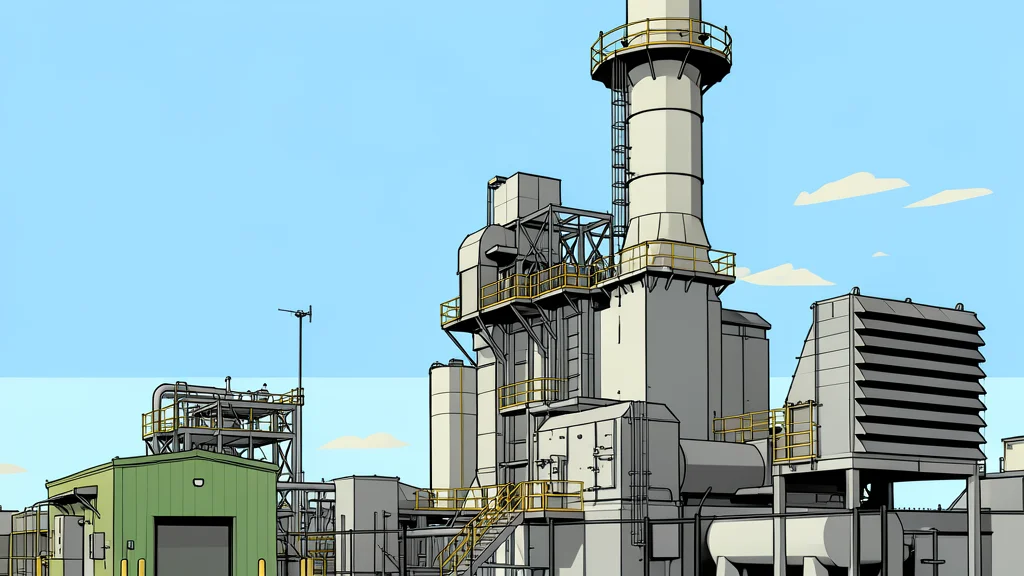
The US EPA is expected to finalize the repeal of emission standards for gas and coal plants, removing a key regulatory barrier for utility operators.
The US Environmental Protection Agency is preparing to finalize the repeal of carbon emission standards for gas and coal-fired power plants, a move reported by Bloomberg News that could be announced as early as Monday. This regulatory shift aligns with the administration’s broader strategy to dismantle environmental rules viewed as impediments to industrial development and energy production.
The proposed action follows a 2024 initiative by the Trump administration to rescind regulations established under the previous government to curb greenhouse gas, mercury, and other pollutant emissions. By removing these constraints, the agency aims to support expanded energy production while reducing compliance costs for utility companies operating in the electricity sector, which accounts for nearly a quarter of US greenhouse gas pollution.
Regulatory Impact on Utility Operations
For power plant operators, the repeal eliminates the requirement to implement specific emission reduction technologies mandated by the Biden-era rules. These standards were designed to reduce greenhouse gas emissions by one billion metric tons by 2047, a figure that represented a significant capital expenditure and operational adjustment for the sector. Removing these rules provides immediate regulatory relief, allowing companies to defer or cancel planned investments in clean technology infrastructure.
The move also includes a separate proposal to repeal the federal finding that greenhouse gases from power plants specifically pose a threat to public health. This legal step would further narrow the scope of federal authority to regulate these sources, potentially limiting future state-level enforcement actions that rely on federal preemption. The combined effect is a streamlined regulatory environment that prioritizes operational flexibility over strict emission caps.
Strategic Context of Policy Change
The timing of the announcement, coinciding with the G20 energy ministers’ meeting in Houston, underscores the administration’s focus on energy policy as a central economic priority. Officials view the previous climate mandates as unnecessary barriers that stifled industrial growth. By rolling back these specific standards, the government aims to signal a more business-friendly approach to energy infrastructure, encouraging investment in traditional fossil fuel assets.
While the EPA has not yet officially confirmed the finalization of these rules outside of business hours, the reported timeline suggests a decisive step in the ongoing administrative shift. The repeal represents a concrete departure from previous climate commitments, directly affecting the compliance landscape for companies in the gas and coal sectors. This policy change removes a key pillar of the prior administration’s climate strategy, altering the long-term operational planning for US power generators.
Verification and Industry Response
Reuters was unable to independently verify the report immediately, and the EPA did not respond to requests for comment outside of standard business hours. The uncertainty surrounding the exact timing and final text of the repeal leaves utility companies in a period of transition. However, the reported details from Bloomberg News indicate a clear direction toward deregulation, with the finalization of the initial proposal serving as the immediate next step in the process.
Industry stakeholders are likely to monitor the official publication of these rules closely, as the removal of emission standards could influence capital allocation decisions in the power sector. The shift away from strict carbon limits may accelerate the return of investment to conventional fuel sources, particularly in regions where regulatory compliance costs have previously hindered expansion. The final decision will solidify a significant change in the US regulatory framework for the electricity industry.