EtihadWE Secures 2.6GW Turbine Supply from Siemens Energy
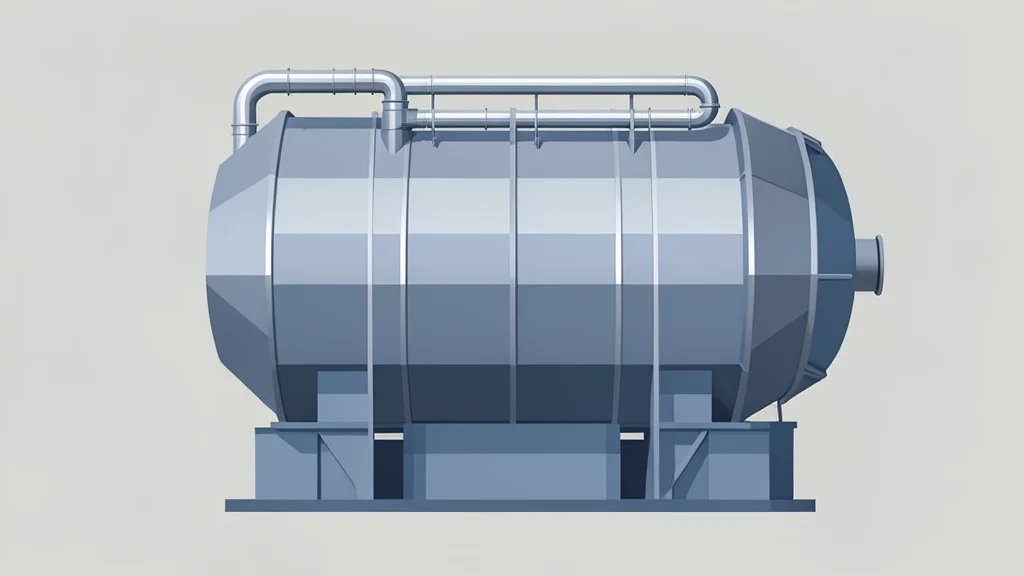
Etihad Water and Electricity has locked in a critical supply contract for the Al Zawra project, ensuring the availability of gas and steam turbines to meet rising UAE electricity demand.
Etihad Water and Electricity (EtihadWE) has signed a reservation agreement with Siemens Energy AG to secure the gas and steam turbines required for the Al Zawra Combined Cycle Gas Turbine power project in Ajman. This contract addresses a pivotal bottleneck in the project’s execution, as turbine availability often dictates the timeline for large-scale utility deployments. By locking in this supply now, EtihadWE mitigates the risk of manufacturing delays that typically plague multi-gigawatt infrastructure builds.
The agreement was finalized during a strategic visit by EtihadWE chief executive Yousif Ahmed Al Ali to Siemens Energy’s Berlin facility, accompanied by Sharif Al Olama, Undersecretary for Energy and Petroleum Affairs at the UAE Ministry of Energy and Infrastructure. The visit underscores a deepening operational partnership between the two entities, moving beyond simple procurement to a long-term alignment on energy infrastructure standards. This direct engagement facilitates tighter coordination on technical specifications and delivery schedules.
Capacity Expansion for Al Zawra
The Al Zawra facility is designed to generate 2.6 gigawatts of electricity, a substantial addition to the UAE’s grid capacity. Siemens Energy will supply the core rotating equipment, specifically the gas turbines that drive the generation process and the steam turbines that capture residual heat to boost overall efficiency. This combined-cycle configuration is essential for meeting the country’s growing industrial and residential power loads while maintaining operational reliability.
Securing these specific turbine models early in the project lifecycle allows EtihadWE to proceed with other construction phases without waiting for major equipment deliveries. The 2.6GW output is targeted to support the UAE’s broader economic growth trajectory, which is accompanied by a sharp increase in electricity consumption. The project serves as a foundational asset for the national grid, reducing dependency on imported power and enhancing local generation autonomy.
Strategic Partnership in Energy Sector
The deal reflects a broader trend of consolidating supply chains among major global energy manufacturers and regional utility providers. Siemens Energy, headquartered in Berlin and Munich, is a leading global manufacturer of steam and gas turbines. By choosing this partner, EtihadWE aligns with a supplier that has a proven track record in delivering large-scale power plant solutions. This relationship is critical for ensuring that the technology deployed meets the high efficiency and sustainability standards mandated by the UAE’s energy sector goals.
The involvement of senior UAE government officials in the signing process signals that this project is viewed as a strategic national priority. The collaboration aims to modernize the country’s energy infrastructure, ensuring it can handle future demand spikes with greater resilience. This move also positions the UAE as a stable market for high-value industrial equipment, fostering a sustainable ecosystem of maintenance, service, and future expansion opportunities for both parties.
Impact on Grid Reliability
From an operational standpoint, the integration of these turbines will directly improve the reliability of the UAE power grid. Combined-cycle gas turbine technology is known for its high thermal efficiency, which translates to lower fuel costs per unit of energy produced. For EtihadWE, this means a more cost-effective generation mix that supports long-term financial stability. The project also contributes to the nation’s goal of building a modern, efficient energy sector that can underpin continued economic development.
The reservation agreement serves as a concrete step toward the physical realization of the Al Zawra project. By securing the core machinery, EtihadWE removes one of the largest variables in project risk management. This allows for more accurate forecasting of commissioning dates and grid integration timelines. The outcome is a more predictable expansion of power capacity, which is vital for attracting further industrial investment to the region and ensuring stable energy supplies for the population.