ExxonMobil Projects 65% Global Electricity Demand Rise by 2050
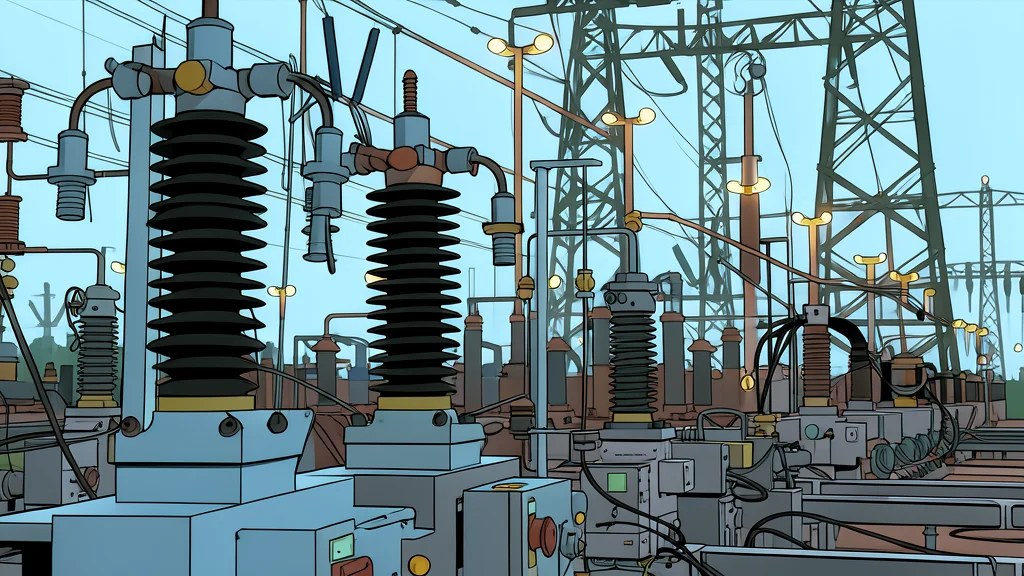
ExxonMobil forecasts a 65% surge in global electricity use by 2050, with industrial growth and data centers driving the increase.
Key points
- ExxonMobil forecasts a 65% increase in global electricity demand by 2050, with the industrial sector contributing approximately 40% of the growth.
- Solar and wind generation are projected to increase more than fourfold, accounting for about 85% of the total rise in power demand.
- Electricity consumption in OECD countries is expected to rise by 35% by 2050, reversing a two-decade trend of stable usage.
ExxonMobil projects that global electricity demand will increase by approximately 65% by 2050. The company attributes this expansion to economic growth, rising living standards, and the accelerating electrification of energy-intensive sectors.
According to the report published via trend.az, the industrial sector is the primary driver, accounting for roughly 40% of the additional demand. This growth stems from expanding industrial activity and the electrification of production processes, particularly those involving lower temperatures.
Industrial and Commercial Sectors Lead Demand
Residential and commercial buildings are each expected to contribute about 20% to the total demand increase. In the residential sector, population growth and increased use of heating and cooling systems in developing economies are key factors, though efficiency gains in appliances are projected to moderate consumption.
Commercial electricity use is set to rise alongside general economic activity and the rapid expansion of data centers. While ExxonMobil notes that data centers may significantly impact local grids, their aggregate effect on national and global consumption is expected to remain moderate.
Renewables and Gas Drive Generation Mix
To meet this rising demand, solar and wind generation is projected to grow more than fourfold, supplying around 85% of the increase in power demand. Natural gas-fired generation is also expected to rise by approximately 25%, playing a critical role in maintaining grid stability as variable renewable sources expand.
Nuclear power generation is forecast to increase by roughly 60% by 2050, driven by demand for firm, low-emission electricity and advances in small modular reactors. However, the company warns that aging infrastructure, with many reactors exceeding 40 years of operation, may constrain the pace of this expansion.
Developed Economies Reverse Stable Demand Trend
Electricity consumption in OECD countries is projected to rise by approximately 35% by 2050, reversing two decades of flat demand. This shift is attributed to the electrification of industry and transportation, coupled with growing energy needs from data centers.
In the United States, demand is expected to increase by more than 40% from 2025 levels. Industry and transportation are anticipated to account for roughly two-thirds of this growth, mirroring the broader global trend of electrified end-use sectors.