Federal Greenlight Clears Tilbury LNG Expansion for FortisBC
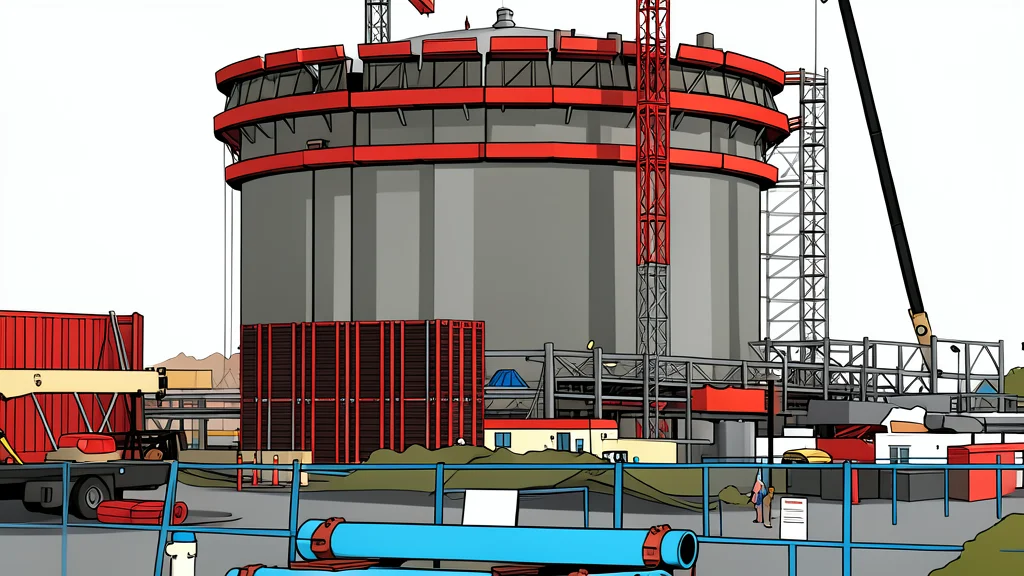
Ottawa approves the Delta, B.C. project, citing economic benefits that outweigh environmental risks while binding 18 conditions.
Key points
- Federal approval allows FortisBC to expand Tilbury LNG by 7,700 tonnes per day.
- Construction is projected to create 6,200 job-years and add $1.7 billion to B.C. GDP.
- The permit includes 18 binding conditions for environmental and safety compliance.
The federal government has formally approved the Phase 2 expansion of the Tilbury LNG facility in Delta, B.C., concluding a multi-year review process. The decision, issued under the 'one project, one review' framework, follows the immediate issuance of an environmental assessment certificate by the B.C. government to FortisBC. This regulatory clearance allows the company to proceed with adding significant new infrastructure on Tilbury Island in the Fraser River.
According to CBC, the approval is predicated on the federal finding that the project's economic and strategic benefits justify its potential adverse environmental effects. Federal Energy Minister Tim Hodgson characterized the move as a step toward faster construction of major nation-building projects. The expansion is designed to bolster Canada’s energy security and provide cleaner fuel options for coastal shipping, specifically targeting the Port of Vancouver and Pacific trade routes.
Economic Impact and Job Creation
FortisBC projects that the construction phase will generate 6,200 full-time-equivalent years of employment, injecting up to $1.7 billion into the provincial GDP. Once operational, the facility is expected to sustain 100 permanent jobs. These figures underscore the provincial government’s position that the project serves as a critical economic driver for the region, particularly in meeting the rising demand for liquefied natural gas at local ports.
Regulatory Conditions and Indigenous Consultation
The environmental assessment certificate includes 18 legally binding conditions covering air quality, wildlife protection, greenhouse gas reduction, and emergency planning. The B.C. Environmental Assessment Office engaged in consensus-seeking discussions with 12 Indigenous nations during the review process, while 13 other groups were informed of key milestones. The assessment timeline, which began in February 2020, was extended due to the pandemic, with FortisBC submitting a revised application in February 2026.
Political Opposition and Safety Concerns
Despite the approval, the project has faced internal opposition within the B.C. NDP government. Minister Kelly Greene expressed disappointment with FortisBC’s decision to proceed, citing persistent safety concerns raised by local communities. She stated that she had raised these issues with the government at every opportunity. Premier David Eby defended the decision by citing the party’s 'big tent' approach, which allows for internal dissent while maintaining collective support for the project’s broader economic goals.