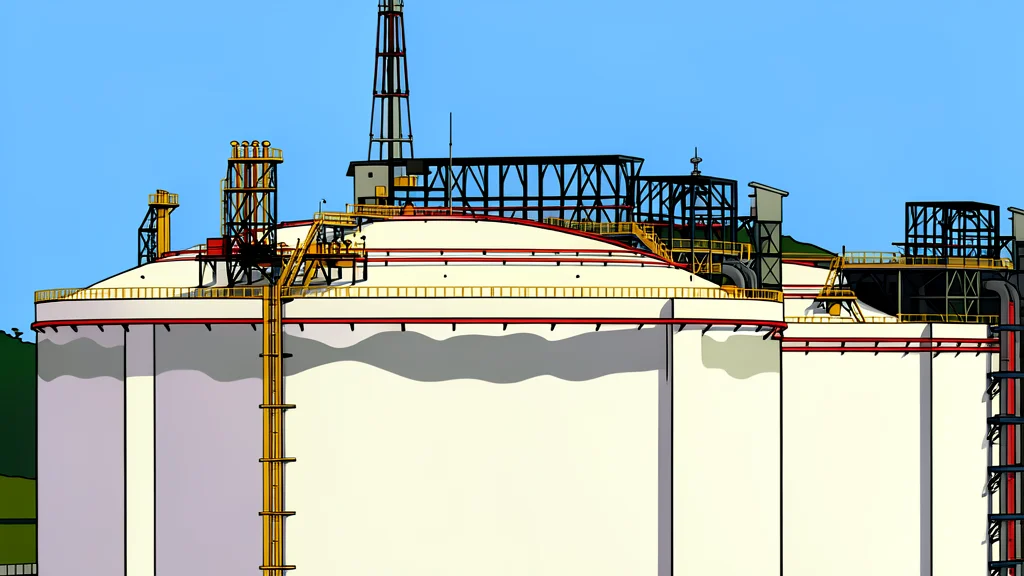
German Gas Storage Hits Record Low Amid Price Surge

European gas prices near multi-year highs while German storage levels sit at their lowest for September, complicating winter preparation costs.
Dutch TTF front-month futures, the benchmark for European natural gas, traded near 80 euros per megawatt-hour on Wednesday, marking the highest levels since December 2022. This price spike follows a more than 100% increase in EU gas costs since the outbreak of the Iran conflict, directly inflating procurement expenses for industrial and residential users across the continent.
Concurrently, data from Gas Infrastructure Europe indicates that Germany’s natural gas storage inventory stood at approximately 56 percent capacity. This represents the lowest level recorded for the month of September since tracking began in 2011, signaling a significant reduction in the buffer available to stabilize supplies during peak heating demand.
Economic Incentives Disrupt Storage Replenishment
The high price environment has eroded the traditional economic model where operators buy gas in the summer at lower costs and sell it in the winter. The sharp rise in spot prices has weakened the profit margin for filling storage facilities, leading market participants to hesitate on purchasing inventory. This dynamic has resulted in Germany’s more than 40 gas storage facilities remaining barely over half full, despite the approach of the heating season.
FNB Gas, an association of German gas transmission operators, noted that the situation is worsening due to energy market turbulence. The ongoing closure of the Strait of Hormuz, a critical waterway for international oil and natural gas shipments, has added logistical pressure. This disruption forces companies to rely on more expensive alternative supply routes, further straining the budget for storage operations.
Political Pressure Mounts Over Winter Security
Politicians and market participants have voiced growing concern over the combination of high prices and low storage levels. Alice Weidel, co-leader of the Alternative for Germany party, argued in a Bundestag debate that replenishing gas inventories must become a top priority. She warned that a cold winter could force the country into costly emergency purchases or rationing, which would severely impact businesses and households.
Supply Risks Drive Cost Projections
Experts indicate that if supply disruptions worsen due to the ongoing Iran war and rising tensions in the Red Sea, EU natural gas prices could climb to between 100 and 120 euros per megawatt-hour. Such a scenario would significantly increase operational costs for energy-intensive industries, compounding the financial pressure on a sector that has already undergone major structural changes since 2022 to reduce reliance on Russian supplies.