Huaneng Starts China's First Supercritical CO2 and Salt Plant
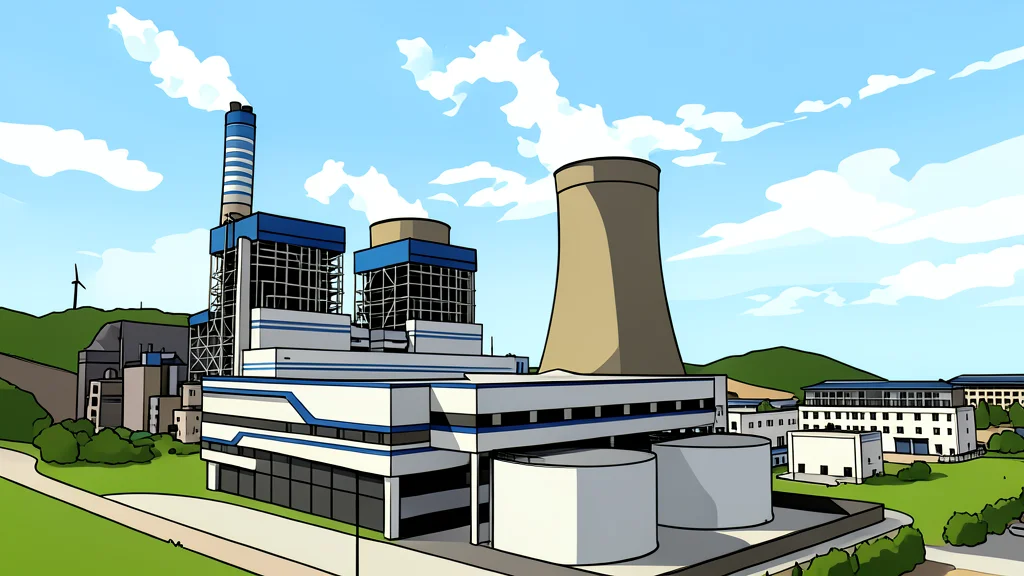
China Huaneng breaks ground on a 50MW supercritical CO2 unit coupled with 100MW molten salt storage in Yantai.
Key points
- China Huaneng broke ground on the first utility-scale supercritical CO2 and molten salt plant in Yantai on September 16.
- The system stores energy by heating molten salt with surplus coal power and releases it via a 50MW supercritical CO2 turbine.
- Phase one features 100MW of thermal storage with 400MWh capacity, targeting grid stability and reduced energy waste.
China Huaneng has begun construction on the Ruitan demonstration project at its Bajiao power station in Yantai, Shandong. The facility represents the world’s first utility-scale integration of supercritical carbon dioxide power generation and molten salt thermal energy storage, marking a distinct departure from traditional steam-based thermal cycles.
The project aims to address grid instability and energy waste by utilizing surplus electricity from existing coal units to charge a thermal battery. According to reporting by the South China Morning Post, the system is designed to release stored heat during peak demand periods, thereby stabilizing supply and improving overall operational efficiency.
Supercritical CO2 replaces steam cycle
The core technological shift involves using carbon dioxide as the working fluid instead of water vapor to drive turbines. This supercritical configuration allows for higher thermal efficiency and a more compact equipment footprint compared to conventional steam systems. The design leverages the unique properties of CO2 at supercritical pressures to enhance energy conversion rates.
During off-peak hours, when grid demand is low, the plant’s existing coal-fired units generate surplus electricity. This excess power is consumed by electric heaters that raise the temperature of a molten salt mixture. The heated salt acts as a thermal reservoir, storing energy that can be discharged later to maintain consistent output levels.
Grid stabilization through thermal storage
The primary business objective is to smooth out the intermittent nature of renewable energy sources and reduce curtailment losses. By decoupling generation from immediate consumption, the facility can store energy during low-demand periods and release it during peak windows. This mechanism directly supports grid stability and reduces the need for peaker plants that are less efficient and more polluting.
The demonstration project is positioned as a pilot for broader deployment across China’s thermal fleet. If successful, the model offers a pathway to upgrade older coal assets without replacing them entirely, preserving capital assets while extending their operational relevance in a decarbonizing grid. The integration of thermal storage with supercritical CO2 cycles addresses both efficiency and flexibility constraints.
Phase one capacity and timeline
The first phase of the Ruitan project will consist of a 50-megawatt supercritical CO2 generation unit paired with a 100-megawatt molten salt storage system. The storage capacity is specified at 400 megawatt-hours, indicating a four-hour discharge duration at full power. This configuration allows the plant to deliver sustained output during critical evening peaks.
Construction commenced on September 16, with operational launch scheduled for the following year. The rapid deployment timeline suggests that the underlying technology is sufficiently mature for commercial application. The project serves as a critical data point for evaluating the economic viability of supercritical CO2 cycles in the Chinese utility sector.