Hungary Targets October 2025 for Russian Gas Exit

Hungarian officials project independence from Russian gas by the EU deadline, citing adequate storage levels and expanded solar capacity as key drivers.
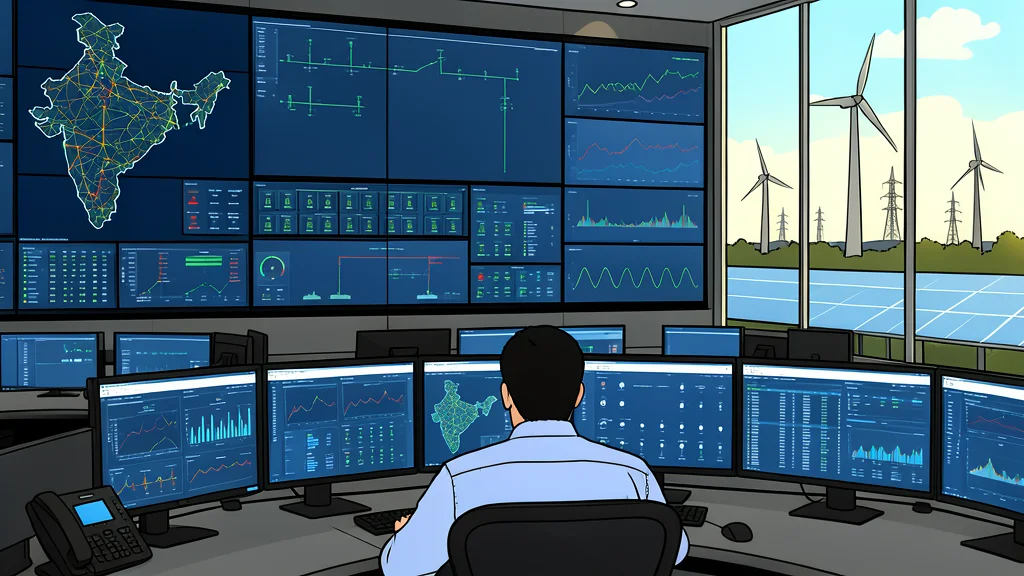
Hungary’s government projects that the country will cease relying on Russian gas imports by October 2025, aligning with the European Union’s final deadline. Economy and Energy Minister István Kapitány stated that current gas storage levels are sufficient to secure the coming winter without physical supply disruptions. He noted that Russian gas previously held a market share primarily due to its lower cost relative to alternatives, rather than a lack of viable substitutes.
The minister indicated that ongoing trends in supply diversification support this timeline. Hungary is negotiating with Croatia to operate the Adriatic oil pipeline at full capacity, a move intended to bolster energy independence. While specific figures on reduced Russian gas volumes were not disclosed, the government asserts that alternative sources are currently adequate to meet national demand.
Nuclear Review and Storage Expansion
A review of the Paks II nuclear power plant project is scheduled for completion by the end of the year. The government will determine if the additional reactors are necessary for the energy system. Simultaneously, authorities are evaluating whether to extend the operational life of existing Paks I reactors beyond 2032 for an additional two decades.
Energy storage capacity is identified as a critical gap in the current infrastructure. Although Hungary’s solar generation capacity has surpassed 8,000 megawatts, storage infrastructure has not scaled proportionally. Officials argue that expanding storage, alongside wind power, is essential to reduce exposure to energy imports and mitigate the impacts of climate change, evidenced by recent low Danube water levels.
Targeted Diesel Subsidies Reduce Budget Cost
The government is replacing a universal fuel price cap with a targeted diesel subsidy. Approximately 900,000 to one million drivers are eligible for a monthly HUF 5,000 (EUR 13.74) credit. This measure is projected to cost the state budget HUF 10 billion (EUR 27.5 million) per month, or HUF 40 billion (EUR 110 million) in total.
This targeted approach is significantly cheaper than the previous universal cap, which incurred monthly costs of approximately HUF 50 billion (EUR 137.5 million). The shift aims to direct financial support more efficiently while maintaining economic stability for the broader population. The government also emphasized the need to improve the productivity of small and medium-sized enterprises to integrate them more effectively into domestic supply chains.
Strategic Shift Away From Imports
The transition away from Russian gas represents a strategic decoupling from a historically dominant supplier. By leveraging existing solar assets, expanding storage, and optimizing pipeline infrastructure, Hungary seeks to neutralize the cost advantage that previously favored Russian imports. This structural change reduces vulnerability to geopolitical supply shocks and aligns national energy policy with broader European regulatory frameworks.