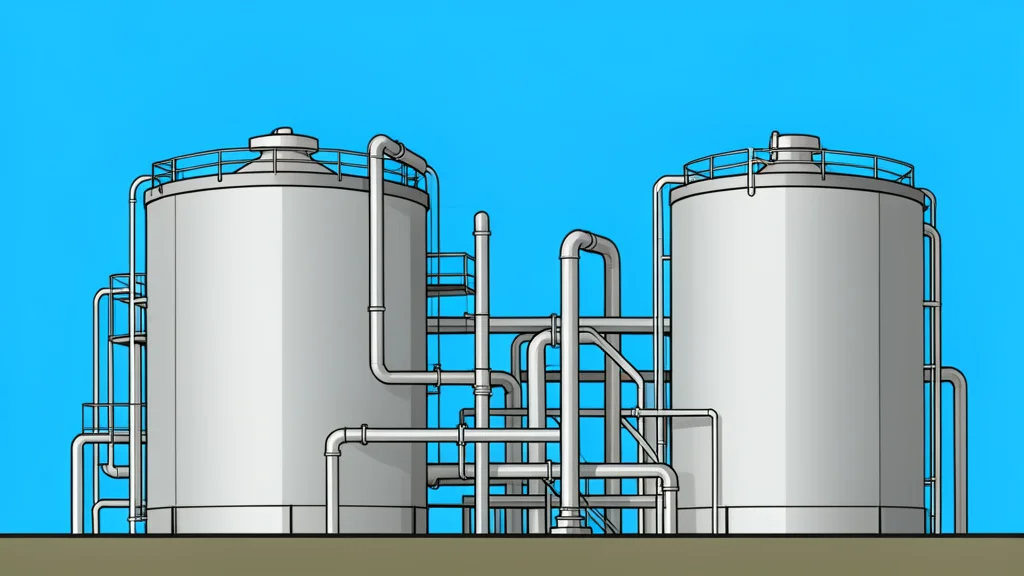
Iraq Signs Preliminary LNG Deal with TotalEnergies for Grid Stability
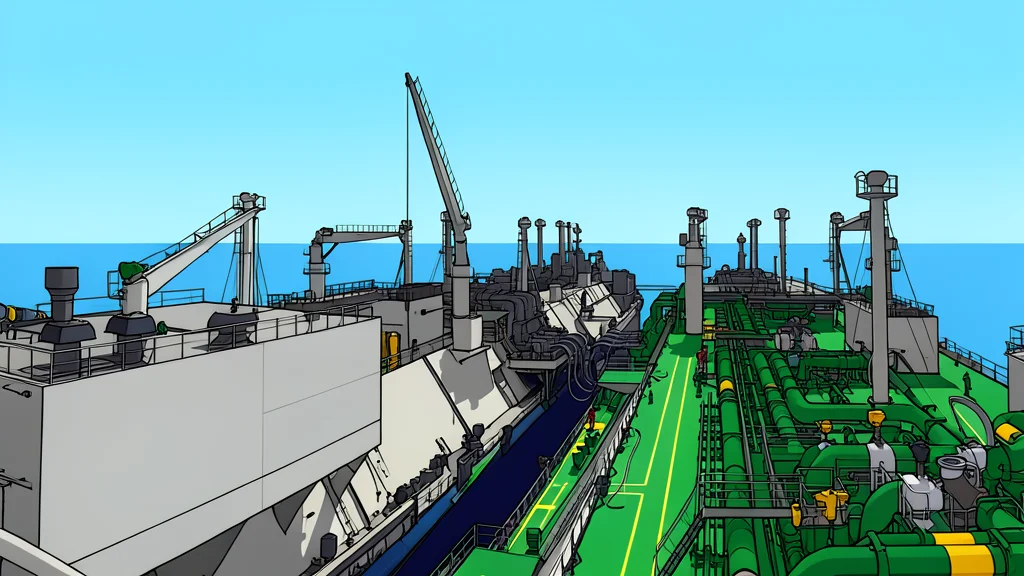
Baghdad moves to diversify power fuel sources by signing a preliminary agreement with TotalEnergies for floating LNG regasification, aiming to extend electricity supply hours and reduce dependence on limited domestic gas reserves.
Iraq's Ministry of Electricity has signed a preliminary agreement with TotalEnergies to facilitate the import of liquefied natural gas. The deal, concluded in Paris, establishes a framework for supplying fuel to the national power grid via a floating regasification platform. This move is designed to address chronic fuel shortages that currently limit electricity generation capacity.
The agreement specifically targets the deployment of a floating storage and regasification unit at ports in Basra. Once docked, the vessel would convert LNG back into gas form, which would then be injected directly into the Iraqi national pipeline network. This infrastructure allows the ministry to increase the number of hours power plants can operate, directly impacting the reliability of the national grid.
Framework for flexible fuel supply
The primary business objective of this arrangement is to enhance the flexibility of Iraq's fuel system. By adding LNG as a supplementary source, Baghdad can stabilize supply during periods of high demand or when domestic gas production is constrained. The preliminary nature of the deal allows the ministry to negotiate commercial and technical terms without immediate binding commitments.
This strategy provides the government with additional leverage in upcoming supplier negotiations. Having a diversified fuel portfolio reduces the risk of supply disruptions, which is critical for a country where electricity generation is heavily dependent on continuous gas flow. The floating model offers a faster deployment timeline compared to building fixed-terminal infrastructure.
Parallel initiatives in Basra
The TotalEnergies agreement complements existing efforts to expand LNG access in the region. Baghdad has already agreed with US-based Excelerate Energy to establish an independent regasification terminal at Khor Al-Zubair port. These parallel initiatives create a competitive environment for LNG suppliers, potentially driving down costs and improving service reliability for the electricity sector.
The Ministry of Electricity continues to negotiate final details regarding logistics, infrastructure integration, and pricing mechanisms with the French company. The ultimate goal is to secure a stable, long-term fuel supply that supports the expansion of Iraq's power capacity. This approach aligns with broader national strategies to reduce energy import vulnerabilities and improve public service delivery.