Iraq, Syria Launch $8B Pipeline Project to Bypass Strait of Hormuz
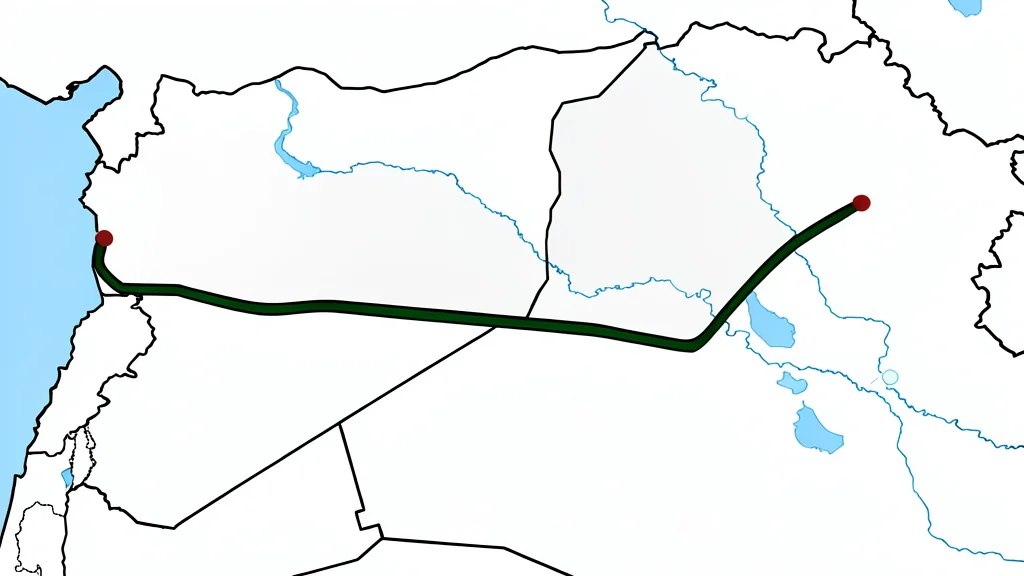
Syria signed a consortium deal to replace the 1952-era Kirkuk-Baniyas line, targeting one million barrels daily to diversify export routes.
Key points
- Syria signed a consortium deal to replace the 1952-era Kirkuk-Baniyas pipeline at an estimated cost of $8 billion.
- The project targets a capacity of one million barrels per day, bypassing the Strait of Hormuz to reach Mediterranean markets.
- Chevron is part of the partnership, and the initiative aims to expand collaboration to include gas and electricity.
Syrian Energy Minister Mohammed al-Bashir confirmed that Damascus has signed an agreement with a corporate consortium to rehabilitate the aging Kirkuk-Baniyas oil pipeline in partnership with Iraq. The project involves replacing the 800-kilometer infrastructure, originally constructed in 1952 and previously damaged by regional instability. According to Iraqi News, this collaboration is designed to establish a direct land-based export corridor that bypasses maritime chokepoints.
The initiative aims to revive capacity for one million barrels of Iraqi crude per day, a target previously outlined by former Iraqi Ambassador Nizar al-Khairallah. By securing this direct access to Mediterranean markets, Iraq seeks to reduce its reliance on the Strait of Hormuz, which remains a strategic vulnerability due to ongoing geopolitical conflicts involving the United States and Iran. The pipeline's restoration represents a significant shift in logistics for regional energy exports.
Consortium Leads $8 Billion Infrastructure Overhaul
The estimated cost for the pipeline rehabilitation stands at $8 billion, a figure cited by Iraqi diplomatic sources. A specialized technical and financial team traveled to Damascus in 2025 to finalize the details of this massive capital expenditure. The project is supported by a partnership that includes US-based energy major Chevron, indicating significant international corporate involvement in the infrastructure upgrade.
Al-Bashir stated that the new agreement allows Syria to secure transit fees and priority access to oil purchases through the revived line. This arrangement creates a dual-benefit structure where Iraq gains a resilient export route, while Syria leverages its geographic position to generate revenue from the transit of Iraqi crude to European destinations.
Strategic Bypass of Hormuz Chokepoint
The primary driver for this investment is the need to minimize dependency on the Strait of Hormuz. With the strait closed or restricted due to the conflict between Iran and the US, maritime shipping risks have escalated. The Kirkuk-Baniyas route offers a land-based alternative that is less susceptible to naval blockades, providing a more stable channel for exporting Iraqi oil to global markets.
Former Ambassador al-Khairallah characterized this development as a genuine opportunity arising from current maritime difficulties. He noted that while the initial focus is on oil, there are ambitions to broaden the collaboration to include gas and electricity transmission. This multi-sector approach aims to deepen energy integration between Baghdad and Damascus, enhancing regional connectivity beyond just crude oil logistics.
Expanded Energy Corridor for Regional Markets
The rehabilitation of the pipeline is part of a broader strategy to diversify Iraq’s export infrastructure. By providing direct access to European markets via the Mediterranean, the project reduces the logistical bottlenecks associated with Gulf ports. This expansion supports long-term energy security for both nations and positions the region as a more competitive supplier in the global energy market.