Kinder Morgan Faces Liability Claims over Sinkholes at Texas Dairy
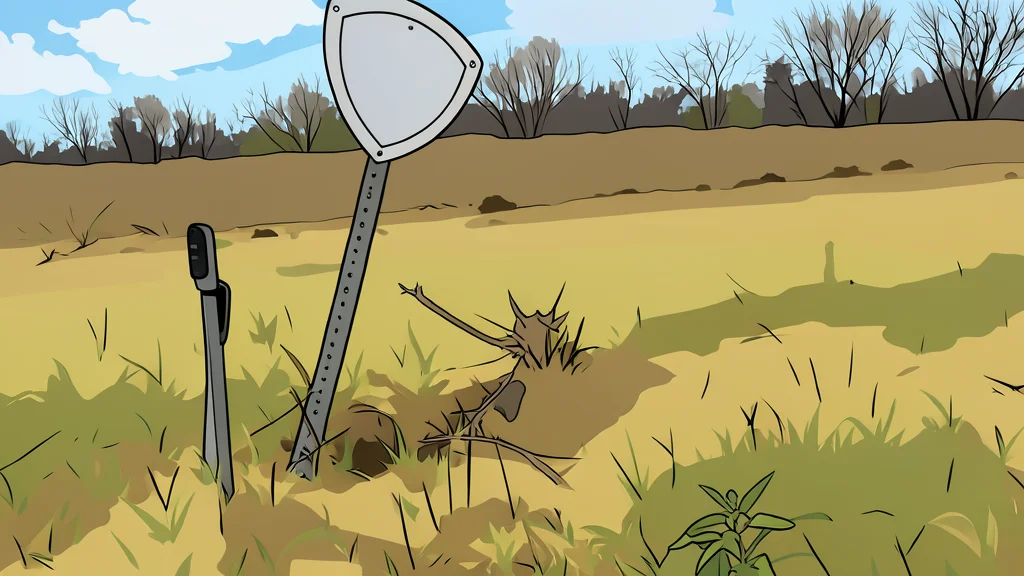
A Jim Wells County dairy farmer cites ongoing ground instability and livestock losses following the installation of a 42-inch natural gas line by Kinder Morgan Tejas Pipeline LLC.
Joe Knolle, a dairy producer in Jim Wells County, reports that his pasture has suffered continuous subsidence since Kinder Morgan Tejas Pipeline LLC installed a 42-inch natural gas line three years ago. The landowner claims the ground is collapsing beneath his livestock, resulting in six documented cattle deaths and widespread hoof injuries. Knolle states that fresh sinkholes have appeared daily in the past two months, creating immediate safety hazards for his herd and farm equipment.
The financial impact on the dairy operation has been severe, with irrigation lines repeatedly severed by shifting earth, forcing the farm to dump milk for five consecutive months. One hay cutter sustained whiplash after striking a sinkhole that formed overnight, while heavy machinery has fallen through unstable ground. Knolle alleges that plastic construction debris remains in the soil, leading to livestock ingestion, and that local appraisal districts have doubled the tax valuation of the damaged tracts despite their diminished agricultural utility.
Soil commingling drives long-term degradation
Knolle attributes the instability to a practice known as soil commingling, where nutrient-rich topsoil was mixed with clay subsoil during excavation. Soil tests conducted over the last 15 years indicate elemental composition changes ranging from 150 to 400 percent and altered pH levels, preventing proper grass growth. The backfill material has created an unstable matrix prone to subsidence, contradicting initial promises that the land would be restored to its pre-construction condition.
Kinder Morgan maintains that soil should be segregated and returned in the same order it was removed. Allen Fore, a company representative, stated in a September 2026 interview that the roughly 67-mile project closed on Knolle’s property in March 2023 after fair compensation was reached. Fore asserted that the company holds contractors to strict standards and remains open to investigating any new sinkholes if they are attributable to the pipeline, citing safety concerns.
Legal remedies fall short of losses
Knolle argues that Texas law provides limited independent enforcement of restoration standards once a pipeline is installed. Liability is often capped near the pre-construction market value of the affected pasture, which he argues is far below the ongoing operational losses. Special commissioners set compensation amounts that landowners consider inadequate relative to the long-term harm, while construction can proceed even as compensation disputes continue in court.
The dispute has escalated with legal threats from Kinder Morgan, including a June 2023 cease-and-desist letter accusing Knolle of interfering with easement rights after he complained about flooding caused by contractors. Knolle now faces notices for additional infrastructure projects, including a 765 kV transmission line, raising concerns about cumulative land degradation and the lack of stewardship in pipeline easement agreements.
Future infrastructure threatens further land loss
The Knolle property has received notices for additional projects, compounding the existing environmental damage. Knolle questions the sustainability of conceding land for successive utility easements without adequate safeguards. He advocates for a binding instrument that enforces accountability for long-term soil health and land stability, rather than relying on post-construction negotiations that he views as structurally disadvantaged for landowners.