Moss Landing Battery Fire Reignites as Vistra Faces Regulatory Scrutiny
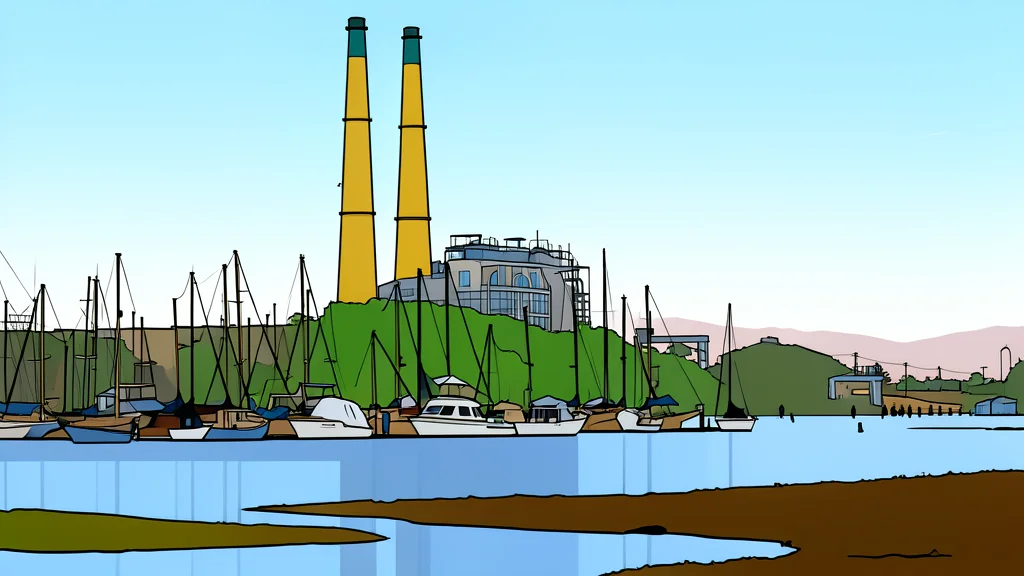
A new flare-up at the Moss Landing facility highlights persistent safety risks in California's aging energy storage infrastructure, complicating the state's clean energy rollout.
Vistra Corp. reported a new ignition event at its Moss Landing battery storage facility in Monterey County, California. The flare-up occurred on Friday morning, roughly 1,200 inaccessible battery modules that remained charged after the January 2025 fire spontaneously ignited. North County Fire Protection District officials described the situation as dynamic, with the modules entering a smoldering phase. Although a shelter-in-place order was issued and later lifted, the incident underscores the operational challenges facing the Texas-based utility in managing legacy infrastructure.
This event marks the fourth safety incident at the 300-megawatt site since 2019. The facility, built with older battery technologies in an enclosed structure, has faced repeated failures. The California Public Utilities Commission is currently conducting a root cause analysis in coordination with Vistra and an independent consultant. Despite the ongoing investigation, local officials have expressed frustration over the timeline, with Monterey County Supervisor Glenn Church questioning why nearly two years have passed without a definitive answer as cleanup efforts near completion.
Regulatory Delay Complicates State Energy Goals
The Moss Landing incident creates friction between California’s clean energy mandate and local safety concerns. The California Energy Commission announced in August that the state now operates the nation’s largest battery energy storage fleet. However, the recurring failures at legacy sites like Moss Landing challenge the narrative of seamless transition. Governor Gavin Newsom’s administration has pushed for accelerated permitting of energy projects, a strategy that critics argue overlooks the specific risks of older, non-compliant facilities.
Dustin Mulvaney, a professor at San Jose State University, noted that the Moss Landing design is outdated by current standards. The close proximity of older battery modules allowed the initial fire to spread rapidly. While battery plants generally pose lower environmental hazards than fossil fuel plants, the specific risks of thermal runaway in aging infrastructure remain a significant liability for operators and regulators alike.
Legacy Infrastructure Presents Unique Operational Risks
The core issue lies in the physical design of the facility. Unlike modern battery storage projects, the Moss Landing site houses batteries in a confined, aging building. Denise Grab, a project director at the Emmett Institute, confirmed that the design does not meet current safety standards. This architectural limitation means that even after initial fire suppression, residual heat and charged modules can continue to pose a threat, as evidenced by the recent flare-up.
Vistra must now address these residual risks while navigating an ongoing state investigation. The delay in the root cause analysis has drawn criticism from local stakeholders who argue that understanding the failure mechanism is essential before approving new facilities. The incident serves as a case study in the complexities of integrating legacy energy assets into a modernizing grid, highlighting the gap between rapid deployment goals and long-term safety validation.
Community Trust Erodes Amidst Repeated Incidents
Residents of Moss Landing have witnessed multiple smoke plumes and safety breaches over the past four years. The recurrence of the fire has reignited fears about the reliability of battery storage as a cornerstone of California’s energy strategy. Assemblymember Dawn Addis has previously highlighted the pattern of incidents in correspondence with state regulators. The community’s patience is wearing thin, with many demanding clear accountability and faster regulatory action from state agencies.
As the state continues to expand its battery fleet, the Moss Landing case becomes a critical reference point. It illustrates the potential consequences of deploying technology without adequate safety margins or modern design standards. For Vistra and other operators, the priority is now containment and investigation, but the broader impact on public perception of clean energy infrastructure remains a significant challenge for the sector.